The Mall Mandated QR Payments. The Settlement Delay Still Eats the Warteg's Morning.
Warteg owners near Jakarta's office towers went cashless on a landlord's order. The per-plate fee may be zero under Bank Indonesia's rules, but the delay before the money lands breaks the loop the whole business runs on.

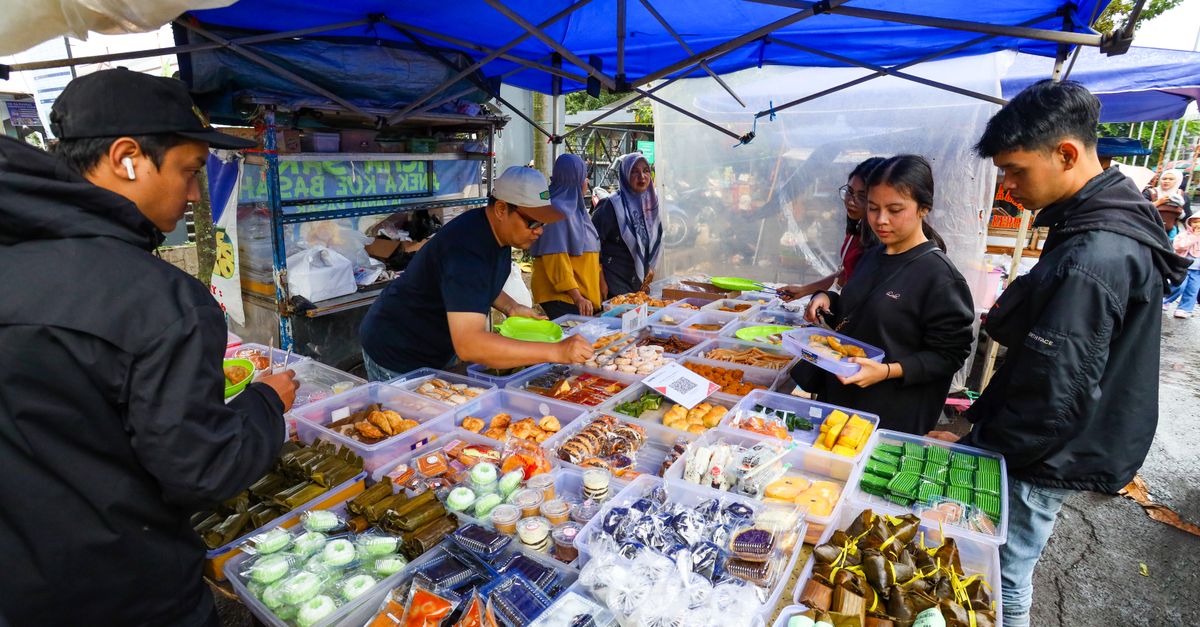
A warteg plate near the office districts in Jakarta runs on arithmetic that leaves no room to spare. Rice, a scoop of sayur, a piece of tempe, a dab of sambal, all for a price in the low tens of thousands of rupiah that hasn't moved much in years because the lunch crowd would notice if it did.
Then the mall landlord sent the notice. Cash boxes out, QR codes in. Office tenants pay by phone, the directory looks modern, and the stalls fall in line.
The fee isn't the problem the owner expected
Here's the part worth getting right. QR payments in Indonesia run on the QRIS standard, and Bank Indonesia sets the merchant fee, called the MDR, by regulation. Since December 1, 2024, micro-business merchants have paid zero on QRIS transactions up to Rp500,000. Since October 1, 2026, every merchant category pays zero on transactions up to Rp100,000.
A warteg plate falls well under both limits. Under the current rules, the standard fee on that sale is nothing, and it cannot be passed to the customer either. So the owner who braced for a cut per plate may not see one.
What a stall can still get hit by is different: a non-compliant provider, a platform or admin charge, or a fee the landlord bakes into the arrangement. None of that is the QRIS MDR. It's the fine print nobody at the counter negotiated.
The money moves slower than the food does
The real squeeze is timing. Wartegs buy ingredients in the morning and sell them by afternoon. The whole model depends on money moving as fast as the food. Cash did that. You sold a plate, you held the notes, you bought more rice with them.
Settlement breaks that loop. The sale happened. The money sits in a processor's account, promised but not present, settling later in the day, or after a weekend. The owner ends up floating tomorrow's stock out of pocket or borrowing to cover a gap the mandate created.
Across a busy lunch service, that delay stacks up. A stall that used to restock on the same day's takings now waits on a transfer to clear before it can buy more chili.
The cheapest lunch in the tower absorbs the wait
Warteg food is the reason a lot of office floors can eat at all. The workers who can't afford the mall's cafe come down for a plate that fills them up and tastes like somewhere else, at a price nothing in the building can match.
That plate holds its price because the owner refuses to raise it. The zero-fee rule protects the number on the menu. It does nothing about the day the owner spends without the cash that number earned.
The mandate came from a lease nobody at the stall signed on to. The settlement schedule comes from a system built for merchants whose cash flow can wait. The warteg owner keeps serving lunch and keeps covering the gap, because the alternative is going back to cash the landlord already ruled out.