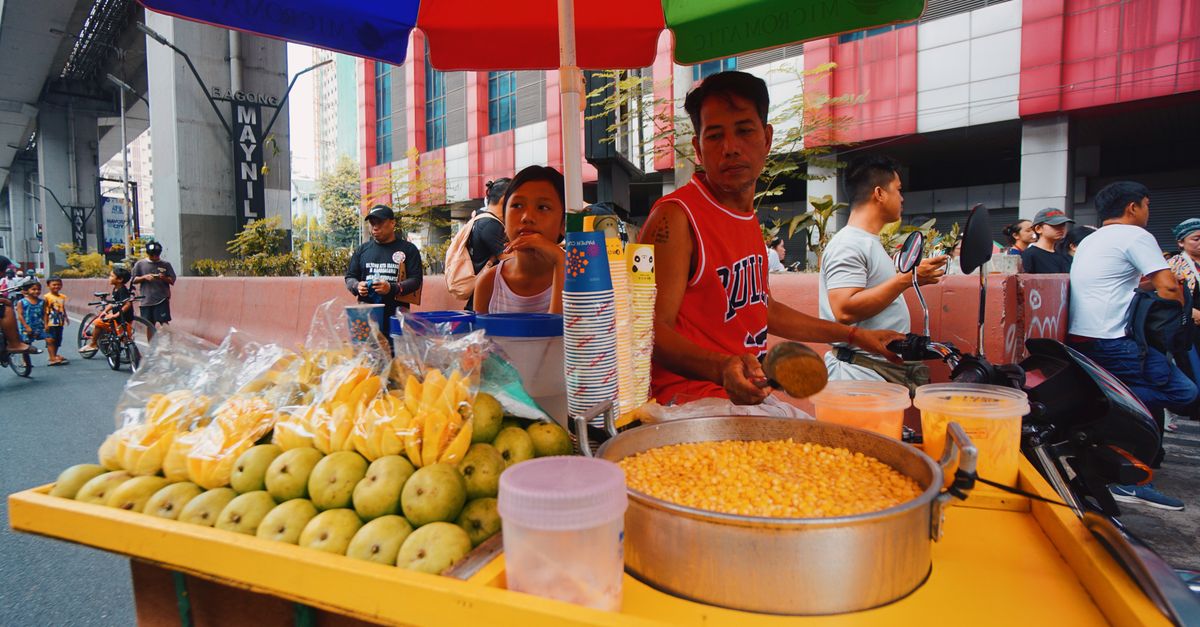
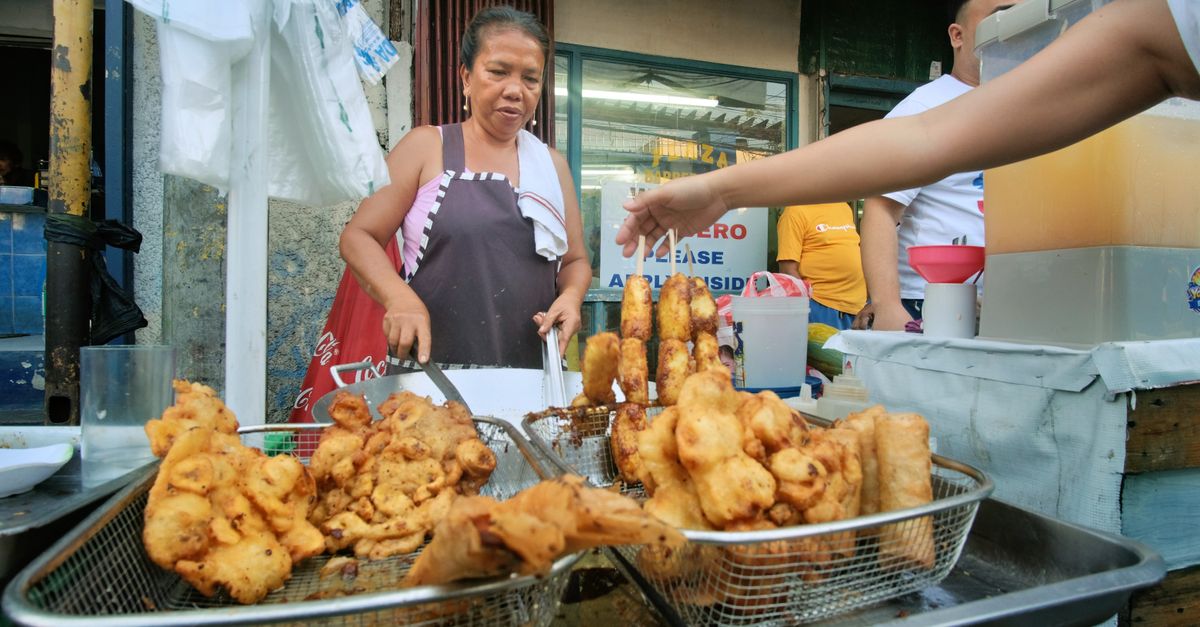
A Warteg Plate Costs Less Than an Onigiri. The Mall Charges Triple to Copy It.
In Surabaya, warteg owners feed the block for pocket change while air-conditioned food courts sell the same sambal and tempeh as premium nostalgia.

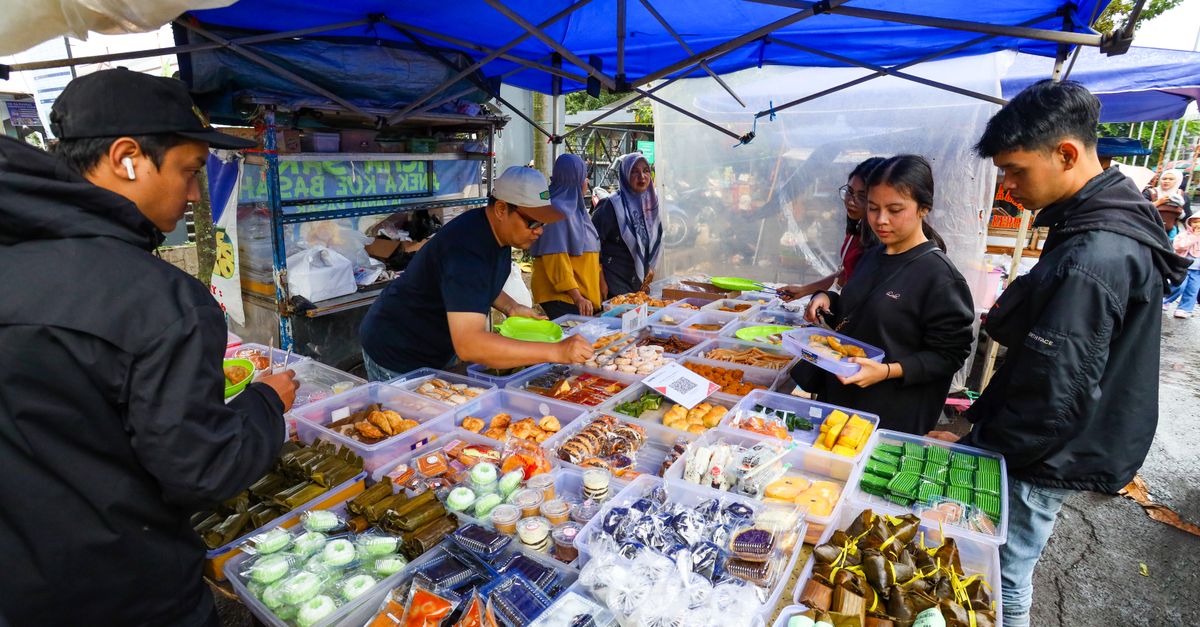
Walk into a warteg off a Surabaya side street and a full plate of rice, tempeh, sambal, and vegetables lands cheaper than a plastic-wrapped onigiri at the Indomaret down the road. Step into the mall food court across town and the same sambal, the same fried tempeh, costs triple. The sign calls it "authentic home cooking."
The home that cooking came from is the warteg. The mall just priced the memory and kept the cook out of the deal.
The plate that feeds the block
Warteg pricing runs on margins thin enough to see through. The owner buys at the pasar before dawn, cooks a dozen dishes by hand, and lets construction workers, ojek drivers, and students point at what they want. The bill gets added up by eye. Nobody prints a menu because the prices live in everyone's head already.
That setup survives because rent on a street stall stays low and the owner eats the long hours instead of paying staff. The low price is the whole point. It is the reason the block eats at all.
Convenience chains undercut nothing and copy nothing. They stock imported formats, the onigiri, the sealed bento, and charge for the packaging and the air-conditioning. A warteg plate beats them on price while cooking everything fresh that morning.
The food court reads it as a brand
Then the mall tenant arrives. Same dishes, plated on ceramic, lit for the feed, tagged with a word like "heritage" or "kampung." The rent inside a Surabaya mall runs many times a street stall, so the price has to climb. Fine. That is real overhead.
The problem is who gets credited. The food court borrows the warteg's entire repertoire, the recipes refined over decades on open stoves, and sells it back as a discovery. The woman who perfected that sambal clocks in nowhere near the register. Her labor becomes the backstory for someone else's markup.
Customers pay the premium believing they are buying closer to the source. They are buying further from it. The actual source sits across town, feeding people for a third of the price, invisible to the ranking that put the mall stall on the map.
Who the markup leaves behind
None of this makes the warteg owner richer. She cannot raise her prices because her customers are counting coins. She cannot move into the mall because the rent would erase her in a month. The food court that profits off her cooking does not owe her a cent, does not know her name, and will reprint "authentic" on the next franchise sign without blinking.
So the hierarchy sits plainly on the receipt. The warteg carries the risk, the early mornings, and the thinnest margin in the chain. The mall carries the aircon, the branding, and the triple price. The word "home" gets printed by the one tenant that never cooked in that home and never will.
Next time a food court promises grandma's recipe, check who's actually at the stove. She's probably a short ride away, charging less than a snack, and nobody put her name on the sign.