The Franchise Keeps the Char Koay Teow Name. The Man Who Perfected It Clocks In as a Guest.
Penang's hawker heirs are selling stall licenses to operators who keep the sign, swap the recipe, and rent the old cooks back by the hour.

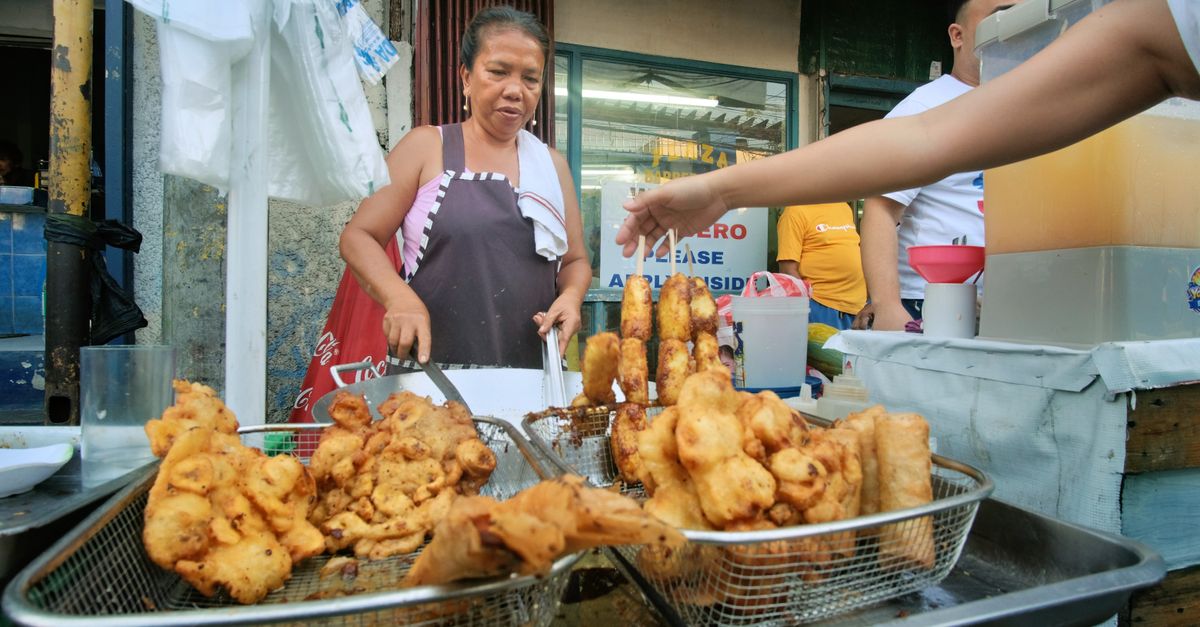
Walk down a Penang hawker lane this year and the signboards look untouched. Same stall name, same faded photo of the dish, same promise of a recipe passed down three generations. Taste the plate and something has gone flat.
The name sold. The recipe did not travel with it.
What a license is worth when nobody young wants the wok
Hawker work in Penang runs on brutal hours. You prep before dawn, you stand over a flame in tropical heat, you close late, and the margins have been squeezed thin by rising rent on stall space and ingredient costs that climb every quarter. The children who grew up watching the wok often went into offices, Singapore, or anywhere with air-conditioning and a fixed salary.
So the heirs do the math. A franchise operator offers a lump sum for the stall license and the brand built over decades. The name has equity. Tourists search for it. Food bloggers wrote it up. That reputation is the asset, and it sells.
Operators who buy these names care about throughput, not lineage. They standardize. A central kitchen sends pre-mixed sauce so any hired cook can plate the same dish across five outlets. The wok hei that came from one person's wrist over 30 years does not scale, so it gets engineered out.
Rented back as a consultant, locked out of the flame
Here is the part that stings. Some operators keep the original cook around for credibility. They sign the old master to a short consulting arrangement, pay by the appearance, and put them near the stall for photos and launch week.
The cook who once owned the stool now rents time on it. They advise. They smile for the opening. They do not control the heat, the portion, or the sauce ratio anymore, because those decisions sit in a contract with a brand team.
Customers who come for the real thing meet a performance of the real thing. The person is authentic. The plate is a recipe someone optimized for consistency and food-cost targets.
The dish survives on paper, not in the pan
George Town, Penang's capital, has been a UNESCO World Heritage Site since 2008, listed with Melaka as historic cities of the Straits of Malacca. The listing honors the old city's architecture and multicultural streets, not the hawker food itself. But the food is a huge part of why tourists fill the heritage zone, and that draw rests on a claim: this stuff is made by hand, by families, the hard way.
That story sells hotel rooms and flight tickets. It also papers over who still gets paid to actually cook.
None of this is nostalgia for suffering. Standing over a wok for 14 hours is not a lifestyle anyone owes their grandchildren. The problem is the swap happening quietly: the public gets the name and the logo, the operator gets the margin, and the cook gets a day rate and a seat where they used to run the show.
If the recipe is the heritage, then the heritage left the building the moment the central kitchen shipped the first bag of pre-mixed sauce. What stays on the sign is marketing. What the old cook signs is a release, not a handover.