The Rendang Sells Better When the App Calls It a Protein Bowl
Jakarta warteg owners are relabeling recipes older than the platform to survive a search engine that ranks English health tags above Padang cooking.


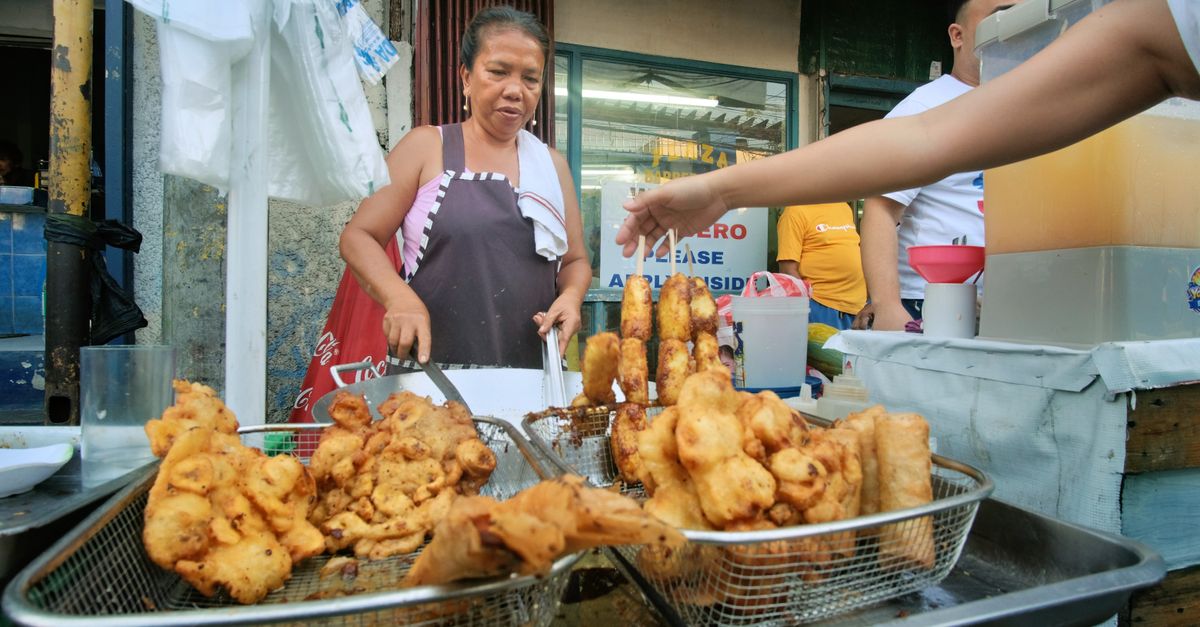
Type "clean eating" into a Jakarta food app and the top results serve rendang. It just doesn't say so on the tile. The photo shows shredded beef over rice with a wedge of cucumber, filed under "protein bowl," "gluten-free," "high-protein lunch." The recipe came down through somebody's grandmother in West Sumatra. The tag came down from a search ranking that reads English better than it reads food.
Warteg owners across the city figured out the math fast. A dish listed as "nasi Padang" sinks below the fold. The same dish listed as a "lean protein bowl" climbs. Same pan, same spice paste, same seller. The difference is which words the algorithm trusts.
The tag decides who gets seen
Delivery apps don't hide their preferences. Search fields reward keywords that match what the platform thinks buyers want, and the categories that surface first read like a Western wellness aisle: bowls, greens, macros, clean. Sellers who want orders learn to speak that dialect or watch the queue skip them.
So the relabeling starts. Gulai becomes "coconut curry bowl." Ayam pop becomes "steamed herb chicken." Sambal gets demoted to a garnish line because "spicy" scares the health filter. Owners who spent years cooking one cuisine now spend evenings guessing which English phrase the app will float to the top.
The cost lands where you'd expect. A small warteg runs on thin margins and repeat customers. When the platform buries the honest name, the seller pays in lost visibility, then pays again learning to game a system that changes its ranking rules without notice.
The recipe survives, the name doesn't
Some of this looks like clever marketing, and part of it is. A rebrand that pulls in office workers who'd never search "warteg" keeps the stove lit. Nobody's mad at a seller doing what it takes to clear rent.
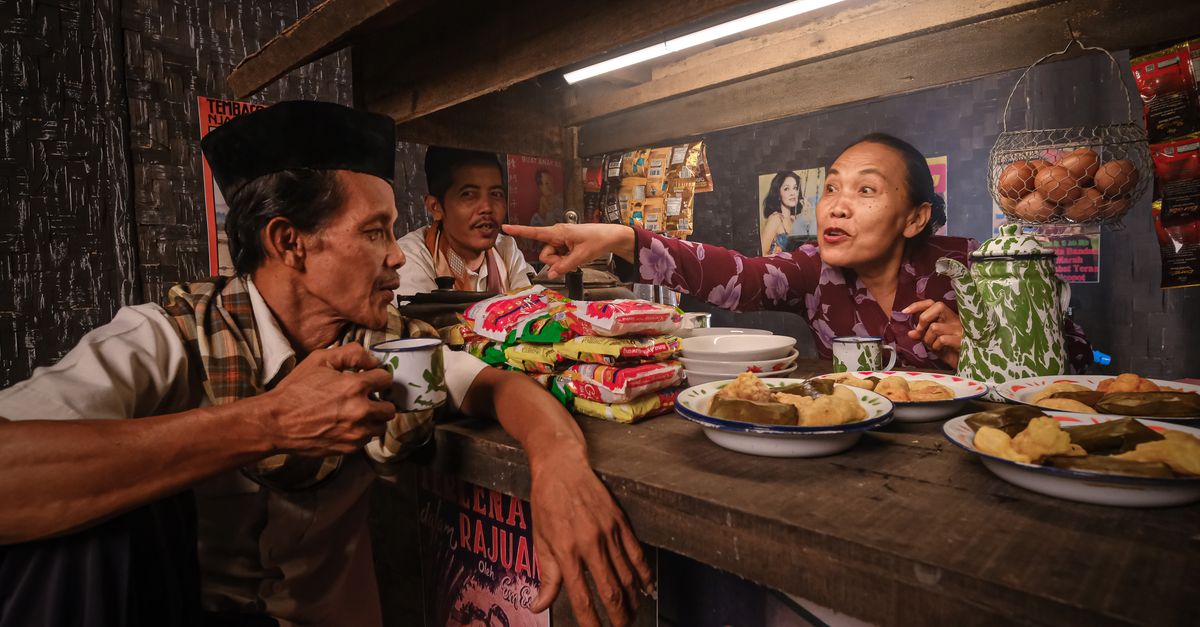
The part that stings is who has to do the translating. The food didn't need fixing. The kitchen didn't fail. A platform built somewhere else decided which words count as appealing, and a Padang cook in Jakarta absorbed the work of matching that list. The heritage becomes a keyword problem to solve on the seller's own time.
Younger owners take it further, running two listings for one dish: the honest name for regulars who search in Bahasa, the "bowl" version for the app's front page. They maintain both because dropping either one loses customers. The double bookkeeping is unpaid, and it grows every time the app tweaks what ranks.
Ask what "clean eating" means and the answer isn't a nutrition standard. It's whatever phrase the search bar promotes this month. The warteg that has fed the same block for years now waits behind that phrase, and the beef that took a grandmother's recipe to cook gets sold as a macro count, because that's the only name the app agrees to show first.