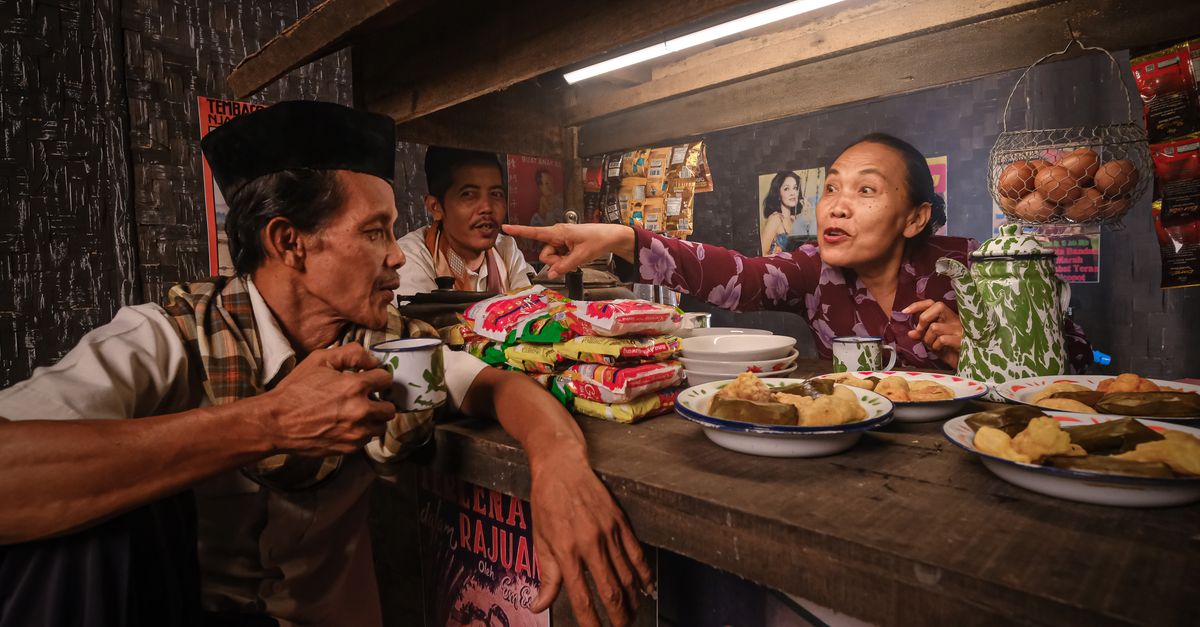
The Carinderia Simmers the Adobo From Scratch. The Freezer Aisle Sells It Back as 'Heritage.'
Carinderias cook ulam from scratch at carinderia prices. Supermarket private labels and cold-chain importers are repackaging the same dishes as premium frozen SKUs.

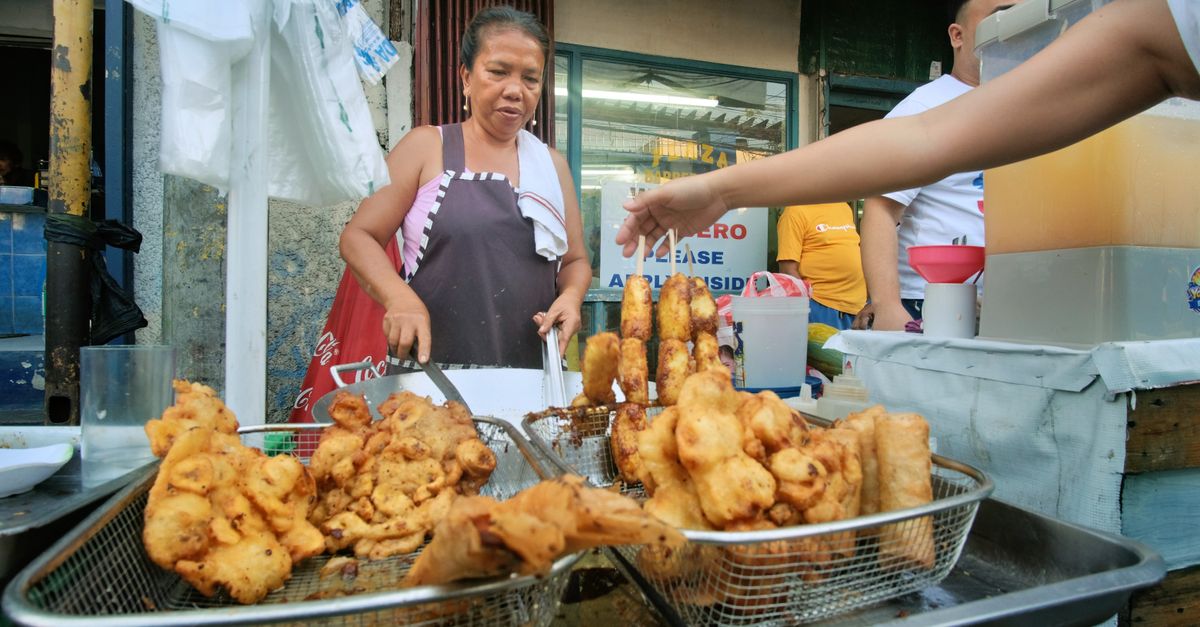
A carinderia tray of adobo represents hours of cooking that start before the lunch rush. Down the road, a supermarket freezer holds the same dish in a vacuum pack, imported, defrostable in minutes, priced at a point that lands close to the home-cooked plate.
The frozen version wins on margin, shelf life, and a label that reads "heritage recipe." The cook who actually makes the heritage gets no such markup.
The Same Dish, Repriced by Who Froze It
Cold-chain importers and grocery private labels have figured out that Filipino everyday food scales. Sinigang, kare-kare, bopis, laing, the ulam that carinderias sell by the ladle, now ships in printed pouches with illustrated provinces on the front.
A carinderia buys pork at wet-market prices that move every week. It cooks in small batches, pays the cook, pays the rent, and still has to land each plate at a number a tricycle driver will pay for lunch.
The frozen importer buys in bulk, freezes at volume, and lets the "premium" story carry the price. Same dish. Different balance sheet.
Heritage Is a Marketing Slot, Not a Kitchen
The word "heritage" on a frozen pack does no cooking. It signals to a mall shopper that this adobo is worth more than the one simmering in a tin tray three blocks away.
Picture a typical carinderia owner. She can't afford that story. She can't vacuum-seal, she can't ship nationwide, and she can't afford a photographer to put her lola on the label. She competes on taste and trust and a price that barely clears cost.
Private labels don't need her trust. They need freezer space and a supply contract. Food trade groups have long flagged how imported processed food lands cheaper than local small-batch cooking once volume and cold storage enter the math.
The Customer Does the Comparison at the Register
Here's where it bites. A regular who used to buy ulam daily walks into the grocery, sees a frozen kare-kare at roughly the same price, and reaches for the one that keeps for weeks in the freezer.
That customer isn't betraying anyone. He's reading two numbers that look identical and picking the one that survives a power outage and a skipped payday.
The carinderia owner loses that sale without ever doing anything wrong. Her cost of goods didn't drop. Her rent didn't drop. The dish she's cooked for years just got repriced by someone who never stood over her stove.
The FDA regulates how these prepackaged products label themselves under Administrative Order No. 2014-0030, which bars false or misleading claims. No rule found specifically defines or restricts the marketing term "heritage." So the importer keeps the margin, the grocery keeps the shelf, and the woman cooking adobo over a daily fire keeps the same thin peso she always had, minus the customers who found the freezer aisle.