Her Sinigang Feeds the Block at Walk-In Price. The App Prices a Cloud Brand Below It.
A Manila carinderia keeps the same pot and the same recipe. A venture-funded 'home-style' label relists it on an app that owns her ranking, her radius, and her price floor.

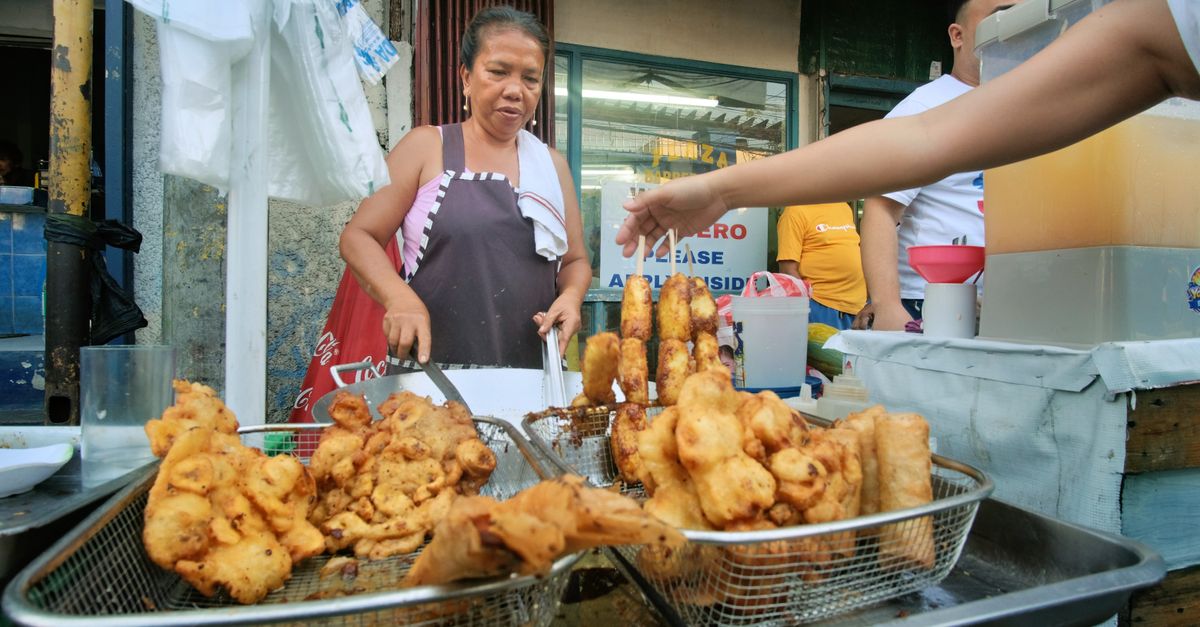
The sinigang has been the same for years. Same tamarind cut sour by hand, same pork simmered before the lunch rush, same price chalked on the board out front. Then the regular who orders every Tuesday shows her a phone. The exact dish, more or less, is listed on a delivery app under a brand that calls itself home-style. It costs less than her walk-in plate.
She didn't license it. She never signed anything. A cloud-kitchen operator, backed by investors who have never tasted her broth, rebuilt the recipe in a rented commissary and put it on the app with better photos and a boosted ranking.
The app owns the counter now
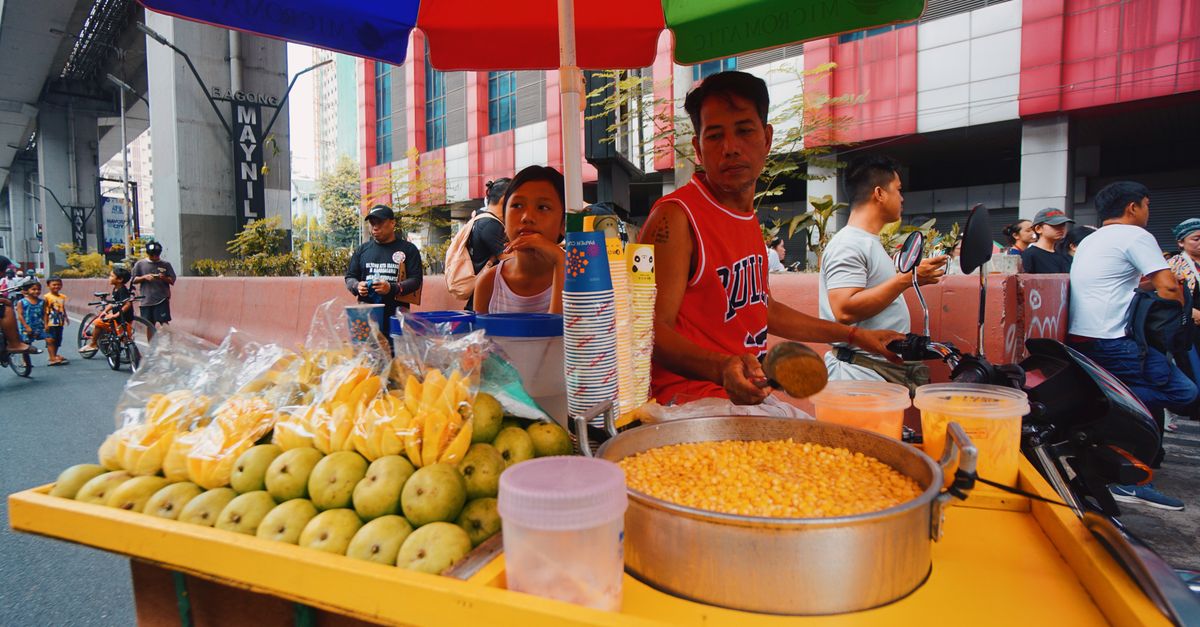
A carinderia runs on the block. People walk up, they know the owner, they pay in cash, they come back because the ulam tastes like someone's lola made it. None of that transfers to a platform search bar. On the app, the only things that exist are the thumbnail, the price, the delivery radius, and where you land in the list.
The cloud brand controls all four. It can price below cost for months because the losses are someone else's problem, covered by a funding round. It can buy the top slot. It can widen its delivery radius to swallow neighborhoods the carinderia could never reach on foot or on a borrowed motorbike.
She could join the app too. Then she pays the commission, pays for the boost, and competes against a brand that copied her and prices under her. The platform collects either way.
A recipe isn't a contract
Here's the part that stings. A broth recipe passed down through a family has no paperwork behind it. There's no patent on sinigang, no trademark on the way your mother balanced the sour. Food like this belongs to everyone, which is beautiful at the dinner table and brutal on a delivery platform.
Venture money reads that openness as free inventory. It takes the dish that lived in a neighborhood, strips off the person who made it, and sells the result back to the same neighborhood through an app that keeps the margin and sets the price.
The 'home-style' label is the con. There is no home. There's a commissary kitchen, a listing, and an algorithm deciding who sees what. The actual home kitchen, the one with the real pot and the regular on Tuesdays, is the one getting undercut.
She still opens at the same hour. The board out front still says what it has always said. The walk-in crowd still shows up, because they want to eat at a table and talk to the person who cooked.
But the app keeps widening its radius, and the cloud brand keeps its price below hers, and every month a few more orders that used to be hers get placed through a screen instead. The recipe she spent years perfecting now works a second shift for someone she'll never meet, at a price she never set.