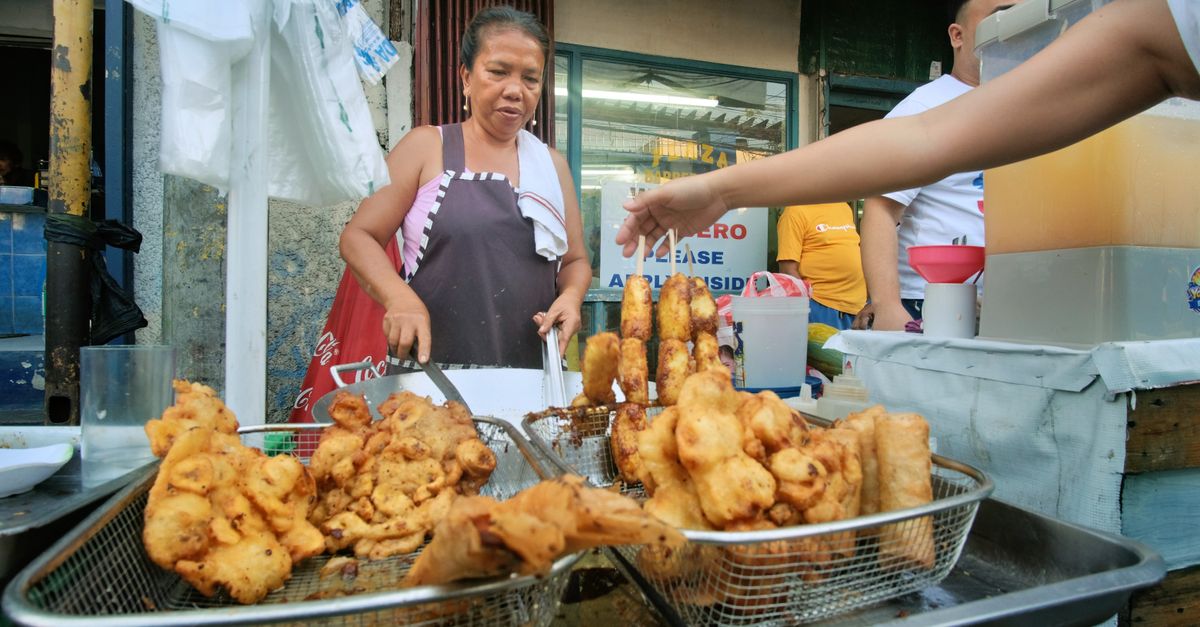
The Ingredients Come Due in 15 Days. The App Won't Release the Sales for 21.
Cebu food stalls are folding on a six-day math problem their suppliers and delivery apps never agreed to solve together.

A carinderia in Cebu closes, and the story writes itself: another small kitchen that couldn't compete, another owner who didn't know the numbers. Except the numbers were fine. The gap between when the supplier collects and when the app pays is what killed it.
Here is the mechanics. The wet market vendor fronts your rice, pork, and cooking oil on 15-day credit because you've bought from him for years and he trusts you. The delivery app that carries most of your orders holds your sales for 21 days before it deposits, minus its cut. Six days sit between what you owe and what you're owed, and those six days repeat every single cycle.
The float you never borrowed
Nobody signed up to be a lender. But that six-day hole means you're always financing the app's convenience out of your own pocket. On a stall clearing thin margins on volume, there is no buffer to sit in that hole. You cover it by borrowing, by delaying the vendor, by skipping your own pay.
The supplier's credit was built on a handshake and decades of the same market rhythm. The app's payout schedule was built in a boardroom to protect the platform's cash flow, not yours. When those two clocks run against each other, the stall is where they collide.
Profitable on paper, dead on the timeline
Small business advocates have flagged this for years: delivery platforms front no working capital and push settlement risk down to the smallest player in the chain. A stall can sell out every day, log a profit on every plate, and still fail because the money it earned is locked on a server while the vendor's 15-day note comes due.
Miss the vendor twice and the credit dries up. Now you pay cash for ingredients while the app holds your sales, and the hole widens from six days to your entire runway. Kitchens that were never losing money learn this the week the vendor says no.
The apps could shorten payout windows or offer daily settlement. They don't, because holding your cash is free money for them and a cost you absorb quietly. The vendor could extend credit to 21 days to match, but he runs on thin margins too, and he's not built to underwrite a Silicon Valley payout schedule.
So the stall eats the gap until it can't. When the shutter stays down, count the days, not the profit. The kitchen didn't lose. It ran out of the six days it was never paid for.