Your Land Cleared the Route Years Ago. You Still Pay the Toll to Cross It.
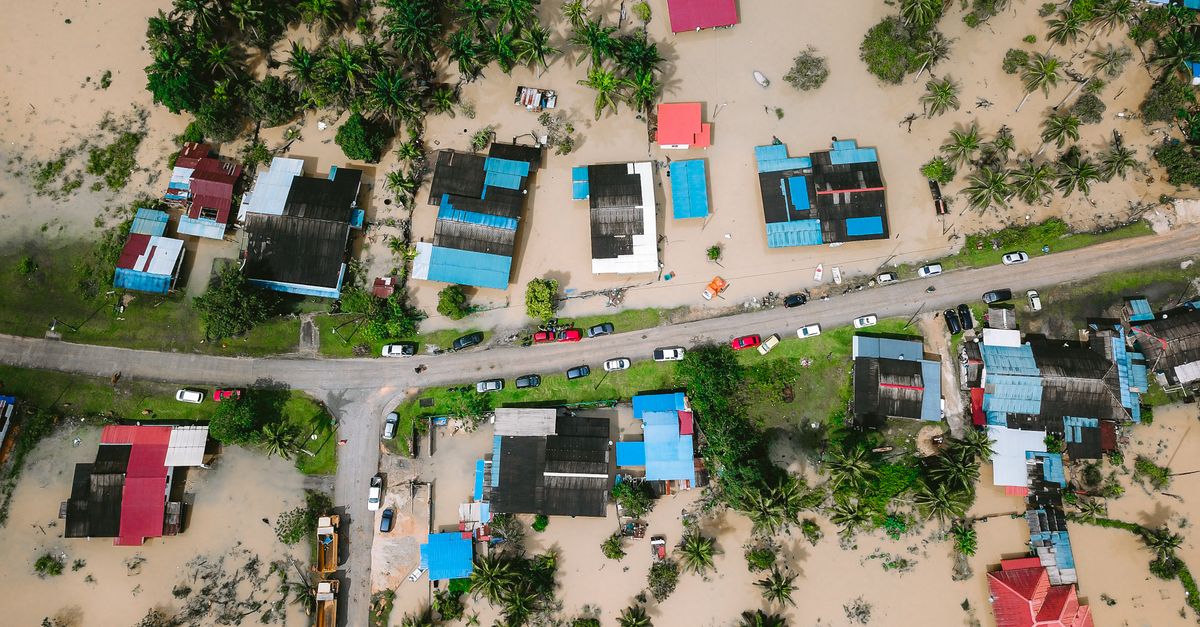
A stalled rail or port project can sit idle between funding tranches for years while displaced families wait on right-of-way checks and commuters pay to use the road their homes cleared.


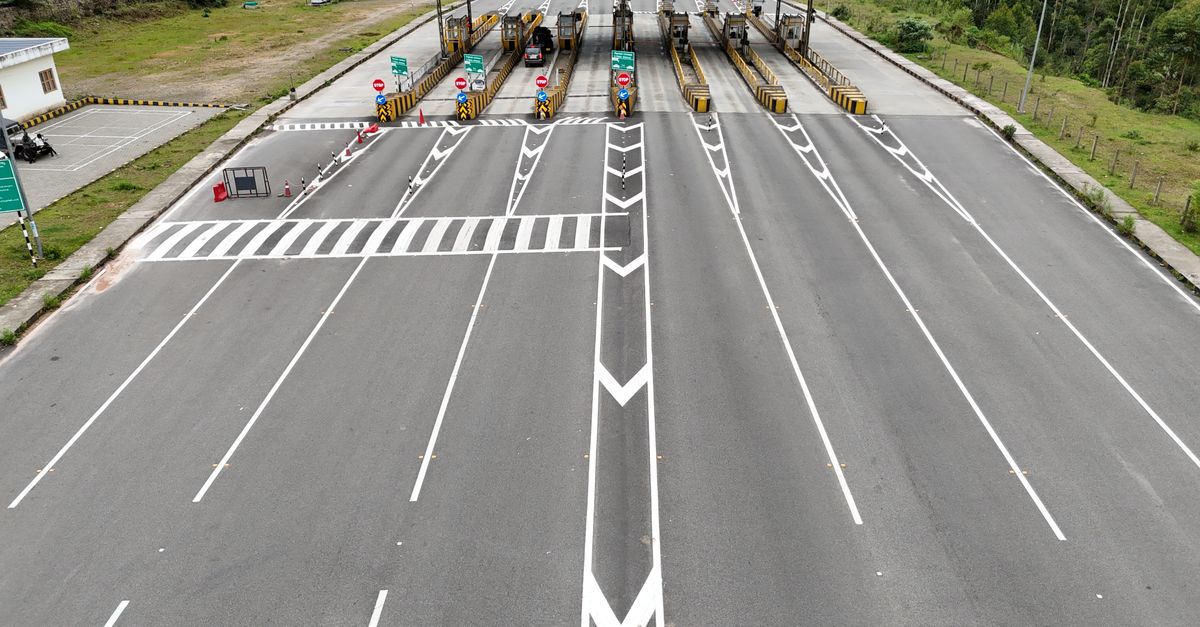
A project can look dead and still cost you money. The rails wait between one funding tranche and the next, the port's second phase sits in a review folder, and the road cut through cleared land already opened its toll booths. You pay to drive it. The family that used to live on that shoulder is still waiting for the check.
This is the part of infrastructure the ribbon-cutting never covers. A road-right-of-way payout is a legal obligation, not a favor, and the law says people displaced for public works get paid at fair value before the bulldozers move. In practice the sequence flips: land clears first, construction starts, and the money to the family arrives late, if it arrives whole.
Two tranches, one gap, and a bill that never pauses
Big builds run on staged financing, often blended with foreign loans, and each release depends on milestones, audits, and paperwork clearing on both ends. When a lender pauses a tranche, or a local counterpart fund runs dry, the whole thing freezes at whatever stage it reached. The concrete stops. The debt schedule does not, and neither does the toll on the finished stretch.
Where the money comes from shapes who waits and who collects. Loans routed through Chinese state banks and their contractors have carried their own habits into the region: fast groundbreaking, tight repayment clocks, and side arrangements that route real decisions away from the barangay hall. Local officials and right-of-way negotiators sign off, buyers and lenders abroad set the terms, and the displaced family sits at the bottom of a payment queue nobody controls.
A cleared lot is not a settled account
The gap between legal and fair sits right here. A demolition can be lawful, backed by a permit and an appraisal, and still leave a household with a number that never landed in their account. Advocacy groups working with displaced communities report the same pattern across projects: valuations disputed, releases delayed across budget years, families relocated to sites without the water lines or transport that made the old spot livable.
When a payout runs years late, the delay does the taking that the demolition started. Rent on a relocation unit eats the appraisal money that never came. A vendor loses the foot traffic that fed the sari-sari store. The toll on the new road, meanwhile, gets collected on schedule from everyone, including the people whose lots made the road possible.
None of this reads as scandal on paper. Every step has a document. The permit was issued, the appraisal was filed, the loan agreement was signed, and the toll rate was approved by a regulator. Put the documents in order and you still get a family paying to cross the ground where their house stood, while the project that took it sits unfinished between two checks that have not cleared.
Ask a simple thing before the next groundbreaking: when does the family get paid, in full, and what happens to the toll if the build stalls. If the answer is a shrug and a payment queue, the road was never really for them.