
The Wall Was Built by a Crew Nobody Insured. The Fine Print Hands the LGU the Bill.
A PRC-linked firm wins the airport job, ships the risky groundwork to underpaid local crews, and when the retaining wall gives, the parent company reads its own contract back to the town.

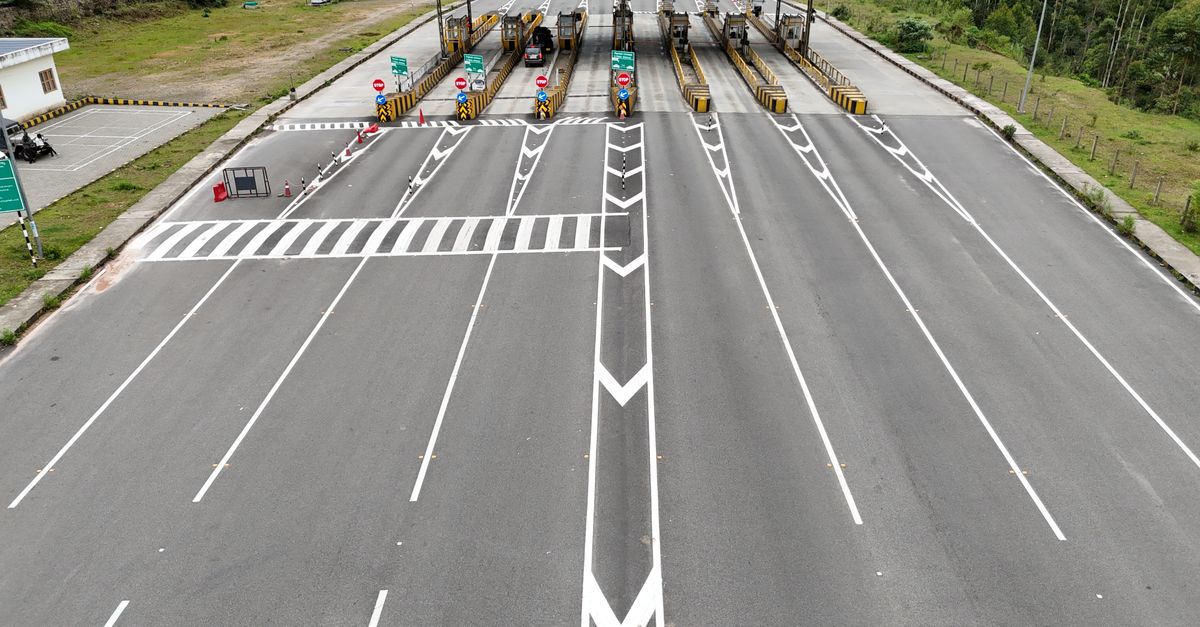
A regional airport or port expansion gets a ribbon and a rendering, and the name on the top of the contract is a PRC-linked contractor with the balance sheet to bid low and win. What the rendering never shows is who pours the concrete on the slope that holds the runway apron up.
That work goes to a local subcontractor, and from there to a crew paid by the day with no hard hats billed to anyone, no insurance line, no retention bond that would survive a wet season. The parent firm keeps its logo on the signage and its name off the payroll.
Who signs, who digs
The setup is clean on paper and only on paper. The winning contractor holds the money and the schedule, subcontracts the groundwork downward, and the risk slides with it until it lands on people who cannot absorb it.
When the retaining wall fails, and slopes cut fast and drained badly do fail, the questions start at the bottom. The day crew has no papers to point to. The local subcontractor has a thin contract that names it as executor and nothing more.
The parent firm has a thick one, and inside it sits the clause that matters: liability tracks the party that performed the work. It performed none directly, so it owes nothing directly.
The LGU eats it
The province or city signed the host agreement because the project promised jobs, connectivity, and a line in the next State of the Municipality speech. Legal counsel at that scale is one overworked office, and the contract it approved was drafted by lawyers who bill more per hour than the LGU spends on roads.
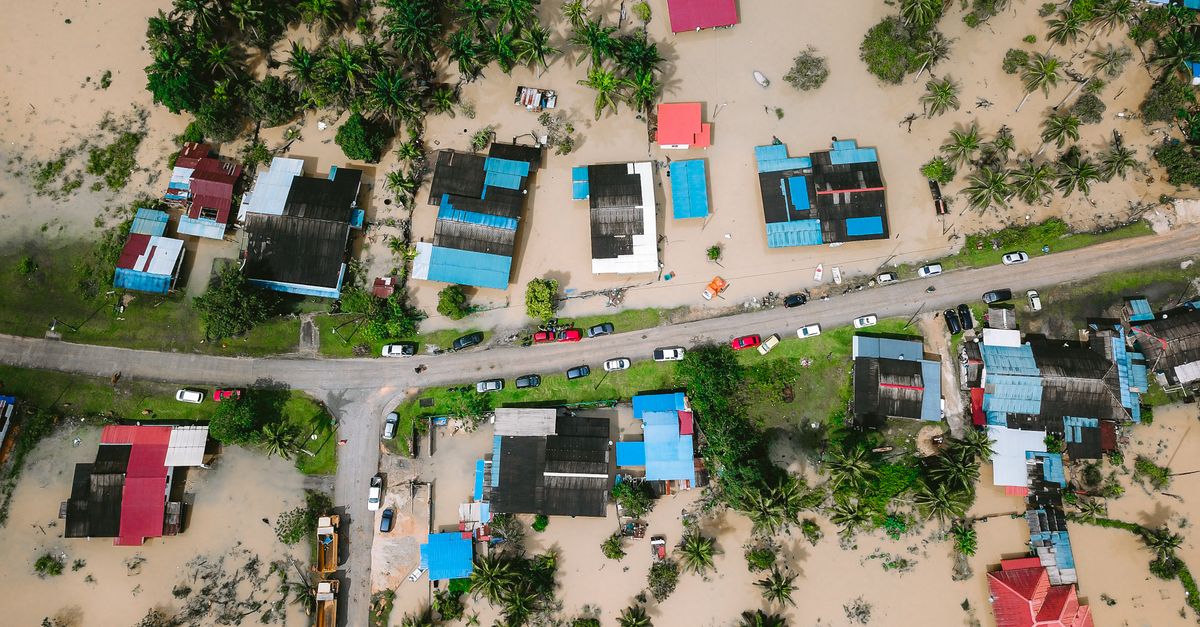
So the collapsed wall becomes a local budget item. Cleanup, the emergency slope repair, the compensation to whoever the debris reached, all of it reads against funds meant for health centers and classrooms, while the parent firm cites the section it wrote and moves to the next tender.
None of this needs a scandal to work. A permit cleared the design, an inspection signed off on paper, and the failure still happened, because a cleared permit was never a promise that the slope would hold.
The playbook travels
The pattern is not homegrown. Chinese-linked capital exports a build-fast model across the region, and the corner-cutting rides with the financing: undertrained crews, layered subcontracts, and contracts engineered so the parent firm sits behind three walls of fine print when something breaks.
Filipino operators and officials sign it because the money is real and the deadline is tighter than the caution. The raw benefit, the ports and runways that move nickel and ore and container traffic, flows toward the supply chains that fund the build, while the failed wall stays local.
A young LGU engineer who flagged the drainage plan gets overruled by the schedule. A day laborer who poured the slope gets no claim to file. Before the next expansion breaks ground, read who the contract names as the builder, and check whether the crew on the slope appears anywhere on that page.