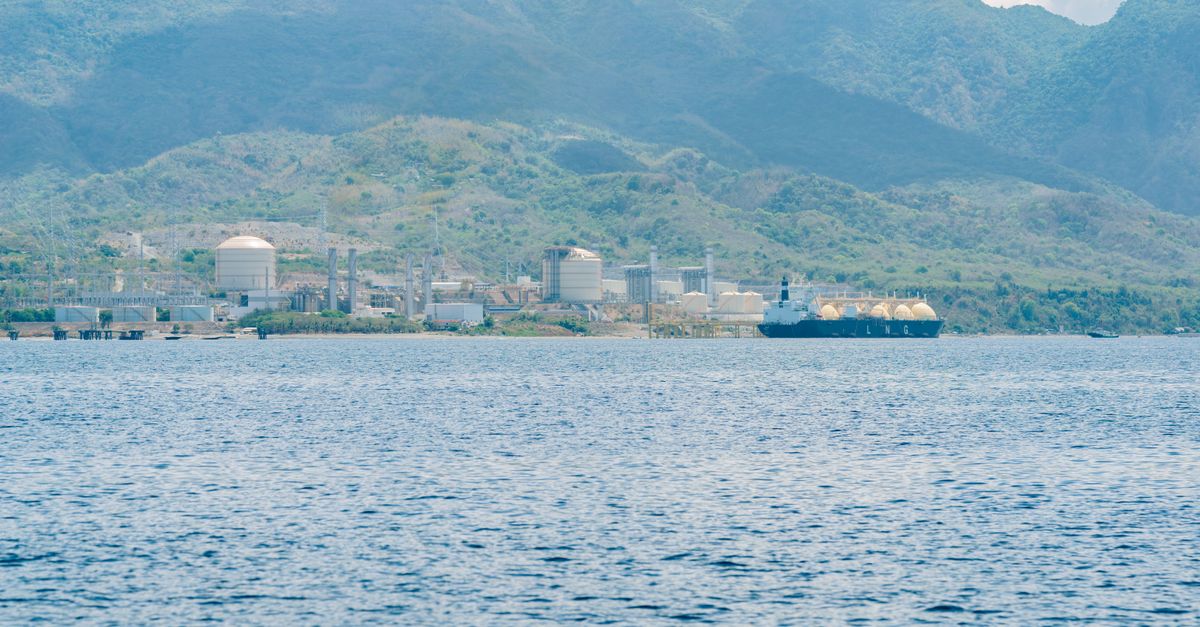
Malampaya's Gas Nears Empty and the Import Cargo Sets the Meralco Line
The domestic gas field is fading before its replacement is fully online, so Batangas plants lean on dollar-priced imported LNG and the fuel cost lands on your monthly bill.


Malampaya has fed a big slice of Luzon since it began production in the early 2000s, supplying the Batangas gas plants that carry a significant share of the Luzon grid. The field has been on a long-flagged decline, and the plants built around it cannot idle while a domestic replacement ramps up, so they lean on imported LNG that the country began buying in recent years to offset the shortfall.
That switch matters because imported cargo generally costs far more than the field's gas. Domestic gas was never insulated from the world, since it sells under dollar-denominated supply agreements indexed to global crude benchmarks, and Meralco has repeatedly attributed rate movements to gas price changes and to peso weakness against those dollar costs. The difference with imports is scale: spot-priced LNG stacks a much higher base on top of the same currency and market swings.
Who signed up for the exposure
The gas plants feed the grid through supply agreements that carry a fuel-cost pass-through clause. Higher fuel does not eat the generator's margin, it flows to the distribution utility, and the utility passes it to the connection that pays at the end. That connection is a household in Cavite, a sari-sari store in Batangas, a rented room in Quezon City running one aircon at night.
The pass-through is not automatic. Distribution utilities recover fuel and generation costs subject to review by the Energy Regulatory Commission, which has ordered refunds for overcollections in past cases and can disallow costs that fail scrutiny. Review is real, but review is not absorption: once the receipts for a cargo check out, the charge is allowed and the line on your bill still climbs.
The timing gap nobody prepaid
A domestic replacement is in motion. The government and the field's operators have pointed to additional gas from the Malampaya area to extend supply, and industry announcements have flagged new phases intended to bring more domestic gas online. Those steps are meant to slow the decline the grid has already been absorbing with imports.
The problem is the handoff. New domestic gas coming online does not erase the years of decline the grid covered with pricier cargo, and until local supply picks up the slack fully, imports fill the gap. That is where the cost lives, and gaps like this get plugged with the priciest short-term option while the cheaper domestic one finishes coming online.
None of this is a foreign-villain story, and it is not a pure market accident either. Energy planners flagged the field's decline curve for years, and the country still leaned on spot imports at spot prices during the transition. Watch the hotter months, when demand climbs and regional cargo gets scarce, because that is when import exposure weighs heaviest. The field that carried Luzon for two decades is nearing empty, its replacement is not fully online yet, and the difference clears on the connection that has no clause to protect it.