Malampaya Has Powered Luzon Since the Early 2000s. New Wells Buy Time, Not a Way Out.
Fresh drilling extends Luzon's biggest gas field past its long-projected decline, but the drift toward pricier imported LNG and coal still reprices at the meter you pay every month.

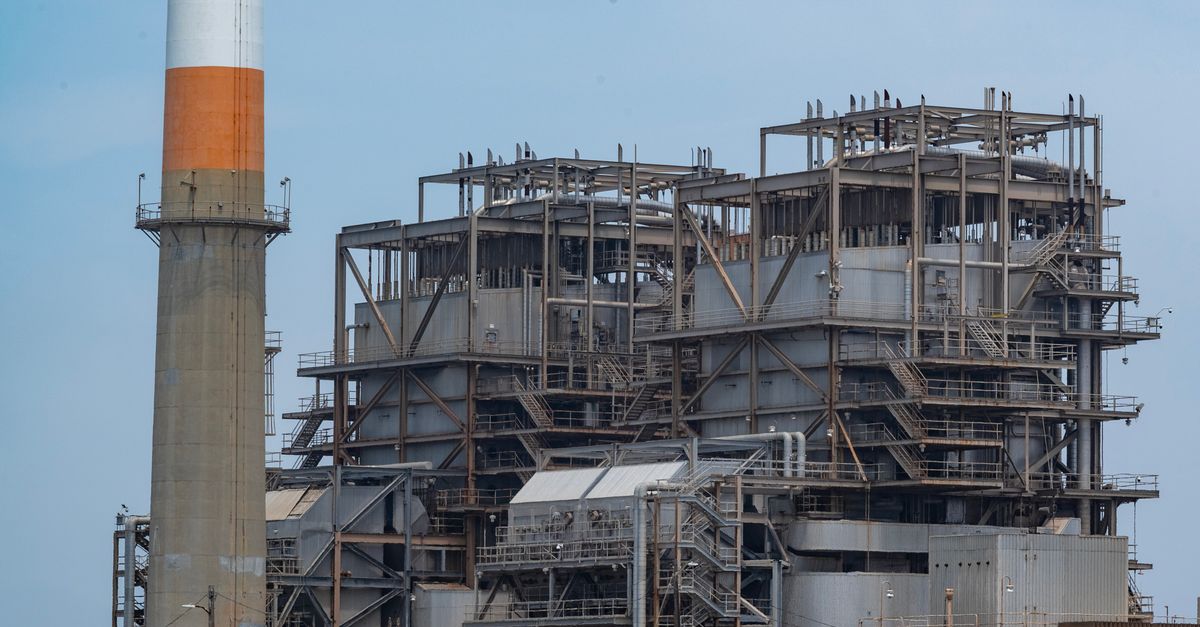
The gas field that supplies a large share of Luzon's electricity is running toward empty, and the fixes on the table buy time, not escape. Malampaya, off Palawan, has fed the grid's biggest plants since the early 2000s, and its output has been declining for years. Energy officials and the operator have long flagged commercial depletion within this decade, and even a reprieve does not change what happens as domestic gas thins. The plants that ran on it do not shut down quietly. They lean harder on imported fuel, and someone pays the difference.
That someone is you, on the Meralco bill, in the fuel pass-through line most people scroll past. Gas-fired plants under service contracts can charge the cost of fuel straight through to distributors, who charge it to households. Homegrown gas at a domestic contract price protected that line for years. Replace it with liquefied natural gas priced in dollars on a global market, and the buffer thins.
The reprieve, and its limits
The field has had a recent second wind. The operator and government have pointed to new drilling near the existing field that adds to recoverable gas, the first fresh supply news for the play in a long stretch of stalled exploration. New wells reportedly extend the field's productive life by several years past its earlier projected decline.
A later development phase for Malampaya is under offshore construction, with the operator targeting additional gas within the next stretch of the field's life. That keeps the lights on past the old cliff date. It does not make the country self-sufficient, and it does not stop the drift toward imports as the wider field ages.
The swap nobody voted for
Import terminals in Batangas were built to receive LNG, which reads like a plan until you check the price tag. Imported gas tracks a global market shaped by demand in Europe and East Asia, so the number on the invoice moves with events the Philippines does not control. Generators serving the Luzon grid have taken spot-market cargoes and signed longer-term supply deals to feed their plants. Spot cargoes reprice with the market. Long-term deals pass their cost through the same line.
The cheaper fallback is worse. Coal already carries most of the grid, and every megawatt lost from gas pulls the mix back toward it. Diesel peaking plants fill the gaps at the highest cost per unit on the system. Both run on imports, both track world prices, and both land on the same monthly bill as the gas they replace.
Who gets the better contract
Geopolitics sits behind all of it. The West Philippine Sea dispute overlaps the same waters where domestic gas has to come from, and the standoff off Palawan is a large part of why exploration stalled for years. Sovereignty and energy security read off the same map.
The ownership chain, meanwhile, stays domestic and legible. The Malampaya service contract passed from Shell to a Razon-led group in recent years, held alongside a stake by state firm PNOC-EC. Regulators approve the pass-through mechanisms, generators sign the supply deals, and energy planners set targets that repeatedly slip. Each link is legal. None of them absorbs the price.
The bill that lands anyway
Renewables were supposed to cover this gap, and government auctions have awarded new capacity. The transmission lines to carry that power have lagged for years, so the megawatts that would blunt any import shock sit stranded while the gas field ages on its own clock.
A field past its prime does not send a warning text. It shows up as a higher generation charge on a bill you already stretch to pay, in a month when nothing about your usage changed. New drilling bought Malampaya more years, the successor to it still runs through imported cargoes and world prices, and the meter collects the cost of that gap from the people who never sat at the table where it was decided.