The Wind Auction Sits in a Drawer While the Fare Board Chases the Pump
Malampaya runs low, Batangas bills in dollars, and jeepney drivers eat every fuel spike with no domestic-supply cushion. Offshore wind could soften the blow. It keeps getting delayed.

A jeepney driver in Cubao does not read Brent futures, but he pays them every Monday. When Malampaya's gas keeps fading and Batangas terminals reprice on cargoes billed in dollars, the cost travels straight down the fuel chain to the pump, and the pump sets the boundary between a day that clears and a day that does not.
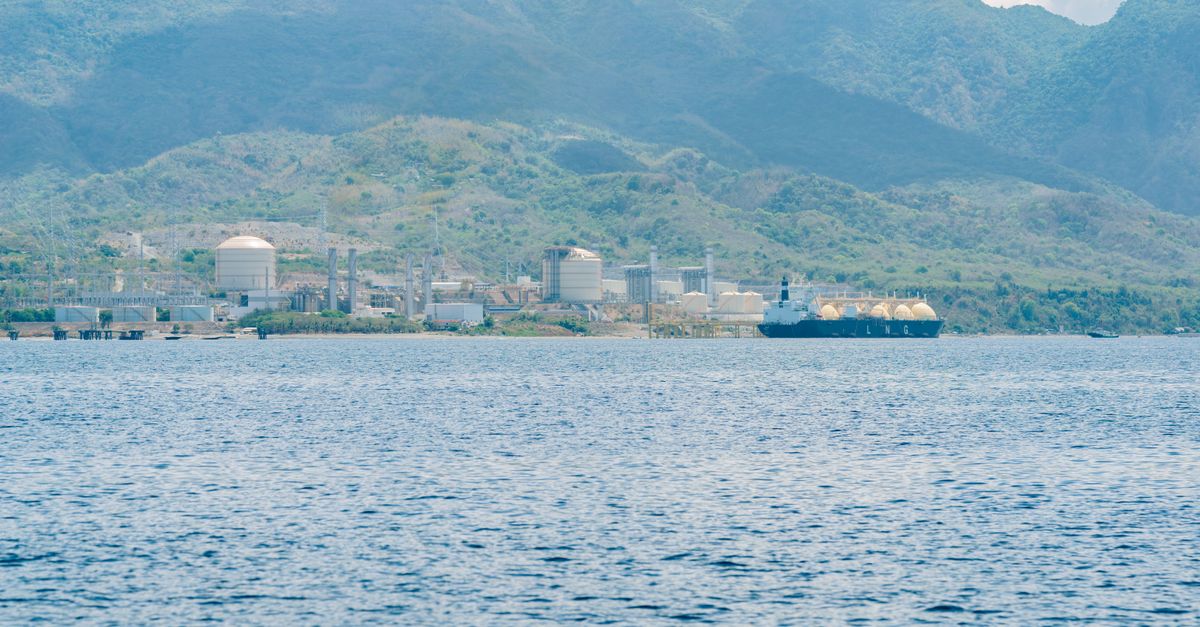
The country has almost no cushion between a global price and a local fare. Malampaya, the one domestic gas field that ever mattered, is running toward empty, and its replacement so far is imported LNG that arrives priced in a currency the driver never earns. Every peso that weakens against the dollar lands on top of the crude move, so the tricycle operator in a coastal town absorbs two shocks stacked on one tank.
The one hedge that keeps stalling
There is a domestic supply that does not ship in on a tanker, and the wind off Luzon and the Visayas is a large part of it. The Department of Energy has floated offshore wind as a pillar of the transition for years, yet the auctions that would actually lock in capacity keep slipping, tangled in permitting, grid-connection questions, and rules about who can own what. Green-energy auction rounds have moved on paper while turbines stay unbuilt in the water.
A stalled auction is not a neutral pause. Every quarter without new domestic generation is another quarter the grid leans harder on imported fuel to set the marginal price, and the driver at the pump is the one holding that bill with no subsidy that clears fast enough to matter.
Import dependence has beneficiaries
Someone does fine when the country buys instead of builds. LNG importers and terminal operators earn on volume that only grows as Malampaya fades, and the trading houses that source the cargoes book the spread on every dollar-denominated shipment. Foreign turbine suppliers, several backed by Chinese capital that also wants the ports and the loans attached, sit ready to sell hardware the moment the auctions open, which gives no one on that side a reason to rush a domestic build that would compete with fuel sales today.
The local machinery matters too. Permit windows drag because agencies guard turf and consultation files stay thin, and a delayed offshore project protects existing fuel margins whether anyone plans it that way or not.
Import-dependence, then, is a system with owners. Foreign fuel suppliers and turbine vendors set the terms from outside, while local permit-issuers and the importers who profit from the status quo keep the domestic alternative one more review away.
Who eats the delay
The pantawid voucher lands in weeks, the fare board can only rise so far before riders walk, and the driver covers the gap out of the boundary he owes at the end of the shift. That gap is the offshore wind farm that was supposed to be generating by now.
Until an auction actually closes and a turbine actually spins into the Luzon grid, the fastest-moving number in a driver's day stays a dollar price set an ocean away, and no one issuing the permits pays it.