
Batangas Signs the Gas Contract in Dollars. Your Pass-Through Reads the Peso's Bad Week.
As Malampaya runs dry and LNG terminals rise in Batangas, long-term gas deals priced in dollars hand the currency risk straight to Meralco customers.

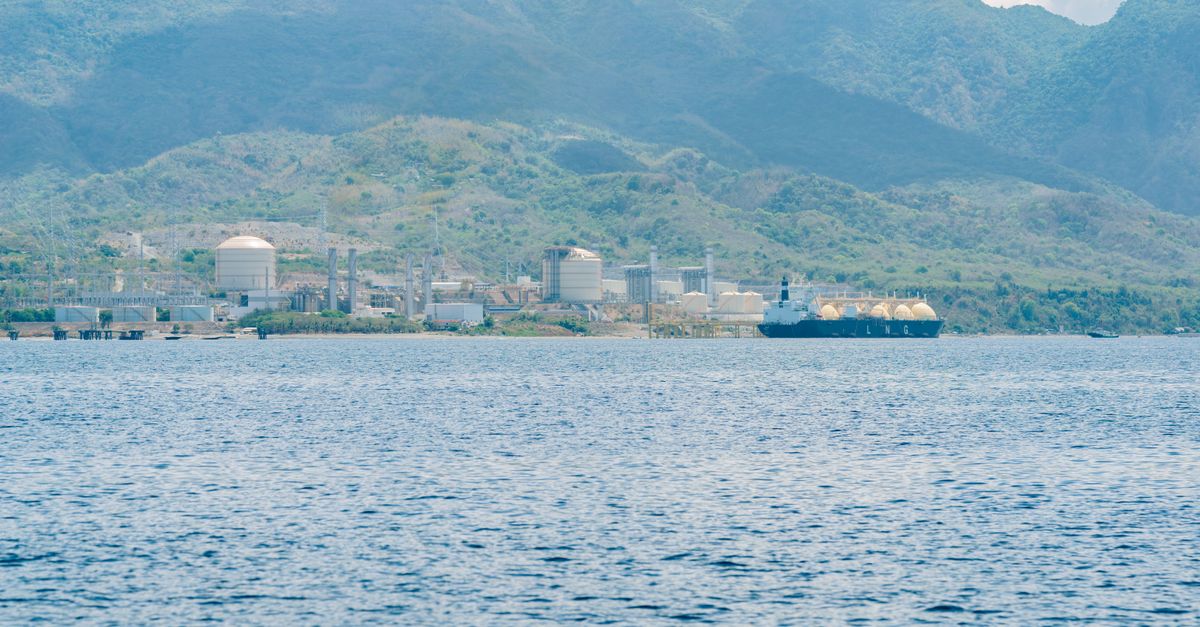
The gas that keeps Luzon's lights on is about to be priced in a currency you don't earn in. As Malampaya's output falls toward the end of its commercial life, the Department of Energy has been fast-tracking LNG import terminals along the Batangas coast, and the fuel feeding those terminals arrives under contracts written in US dollars.
Here is the part that lands on you. A power plant pays for imported gas in dollars, bills the distribution utility in pesos, and the regulator lets that fuel cost move through to the customer as a pass-through charge. When the peso weakens against the dollar, the bill climbs, and nobody who signed the import deal eats the difference.
Who carries the risk, and who doesn't
Long-term LNG supply agreements typically run for years and tie the price to global benchmarks quoted in dollars. The importer locks in volume and a formula, then recovers the cost downstream. The structure is rational for the company. It is a one-way valve for the household at the end of the line.
Malampaya mattered because it was gas produced here and paid for in a mix that kept some of the exposure domestic. Replacing it with imported LNG swaps a depleting local field for a fuel that has to be shipped, regasified, and settled in a foreign currency. The molecules change. The billing logic changes more.
The pass-through does the quiet work
Fuel and purchased-power costs already form the biggest slice of a Meralco bill, and those are the components regulators allow to pass straight through with limited friction. A dollar-priced contract plugged into that mechanism means two separate shocks ride the same wire: the global price of gas, and the exchange rate on the month the shipment settles.
You see it as a line item that jumped without warning. The utility sees it as a cost it is entitled to recover. The regulator sees a contract it approved. Each of them is correct, and the person with the least say absorbs the volatility.
Energy security is not the same as cheap power
Building import terminals in Batangas answers a real problem. Luzon needs firm capacity as Malampaya winds down, and LNG is one of the few options that can come online at scale. But securing supply and shielding consumers from currency swings are two different jobs, and only one of them is getting fast-tracked.
The questions worth asking before these contracts harden: does any deal cap how much exchange-rate movement flows to the bill, and does the regulator require importers to hedge their dollar exposure rather than passing the full swing downstream? Energy planners and consumer groups have raised versions of this, and the answers are not yet locked in.
Faster solar and wind buildout would cut the dollar-fuel exposure over time, because sunlight and wind don't invoice in a foreign currency. That transition runs years behind the terminal timeline. So for the stretch in between, the contract gets signed in Batangas, in dollars, and the peso's worst month shows up on a Quezon City kitchen table as a bill that asks no questions and offers no refund.


