
Hormuz Convoy Premiums Land Inside Negros Power Bills This August
Tanker insurance spiked in June when the Strait got loud. Visayan distribution utilities are passing the cost down the line, and Negros households read it on the August statement.

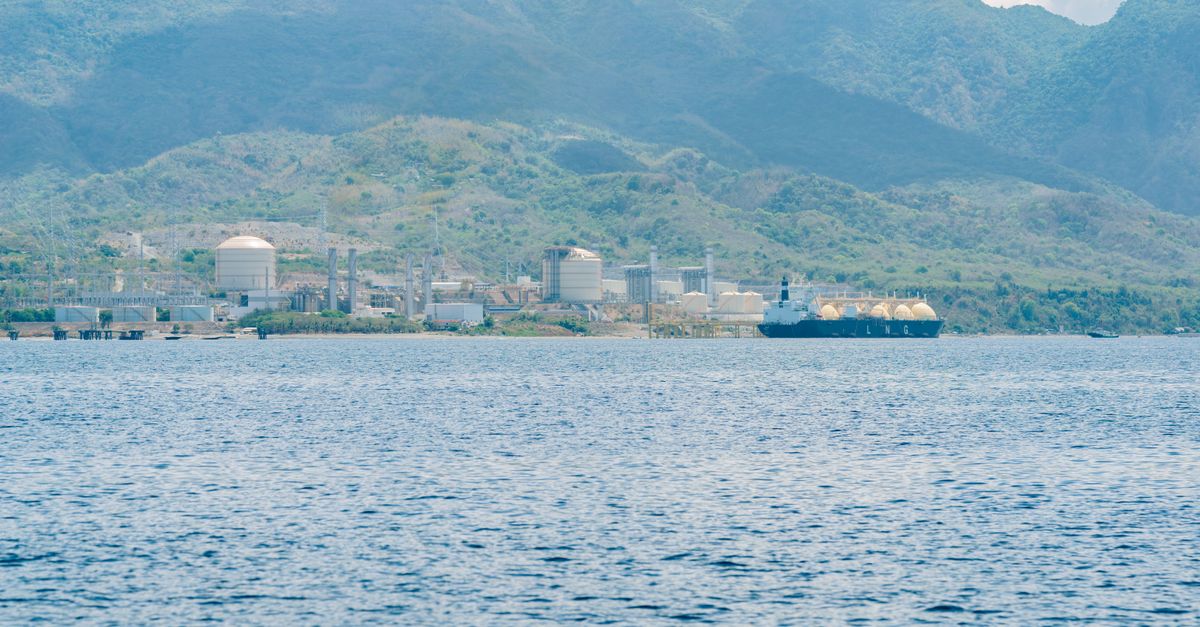
The Strait of Hormuz had a bad week in June, and your kasambahay in Bacolod is about to pay for it in August. War-risk premiums on tankers crossing the strait went up the moment the shooting near Iranian waters got serious, and that surcharge does not vanish at the wellhead. It rides the bunker fuel into Batangas, gets billed into the next genset shipment to the Visayas, and lands on a household electric bill that already has too many line items nobody can read.
Negros sits at the wrong end of that chain. Much of the island's grid still leans on oil-fired plants and diesel gensets to firm up what the geothermal and solar farms cannot deliver during peak, which means the fuel cost passthrough is not a rounding error. When bunker fuel quotes move, the generation charge moves with them, usually a billing cycle or two later. June's premium is August's bill.
What the passthrough actually looks like
Distribution utilities in the Philippines recover fuel costs through the generation charge and related pass-on items, and ERC rules let them pass those through with limited room to absorb. Negros Power, which took over the former CENECO franchise area in mid-2024 after consolidation, and NONECO in the north both buy power from suppliers whose fuel exposure is largely imported, so a Hormuz scare in the Gulf shows up on a Silay billing statement without a single Filipino official deciding it should.
The convoy economics are the part nobody puts in the explainer. Tankers loading at Gulf terminals during high-tension weeks carry insurance premiums that can double or triple, and shipowners route some cargo through longer paths or pay for naval escorts where available. Those costs settle into the delivered price of crude and refined product, and the Department of Energy's weekly oil monitoring picks them up as pump and bunker adjustments over the following weeks.
The local machinery
The foreign shock is real, but the local setup decides who absorbs it. Oil deregulation under RA 8479 means there is no buffer between a Gulf premium and a Visayan household, and the lifeline subsidy for low-consumption users only covers the bottom slab of usage. A sari-sari store running a chest freezer crosses that slab the first week of any month. The distribution utility is not the villain here, but it is also not designed to eat the cost, so it does not.
The longer answer is the energy mix. Negros has been pitched as a renewables showcase for years, with solar and geothermal capacity scattered across the island, yet peak demand still pulls oil-fired generation onto the grid. Until storage and transmission catch up, every Hormuz headline is a Negros billing event.
What to watch on the August statement
Read the generation charge and the fuel-linked pass-on lines as separate items, because they move on different lags. Compare the kWh rate to your May bill, not your July one, since July already had some of the spike baked in. If the utility posts a public unbundled rate breakdown, the bunker-linked component is where the convoy surcharge is hiding.
A household in Kabankalan paying a noticeably higher bill this cycle is not paying for Iran. They are paying for an island grid that still burns imported oil at the margin, a deregulated pricing law that passes shocks straight through, and a renewables buildout that has not yet reached the peak hour.