
Bataan Refines the Crude at ₱61 to the Dollar. Cebu Distributors Cannot Sell the Pump Price.
A weak peso layered on top of Hormuz war-risk premiums has pushed Visayas wholesale fuel past what small distributors can pass through, and the subsidy debate is already running late.

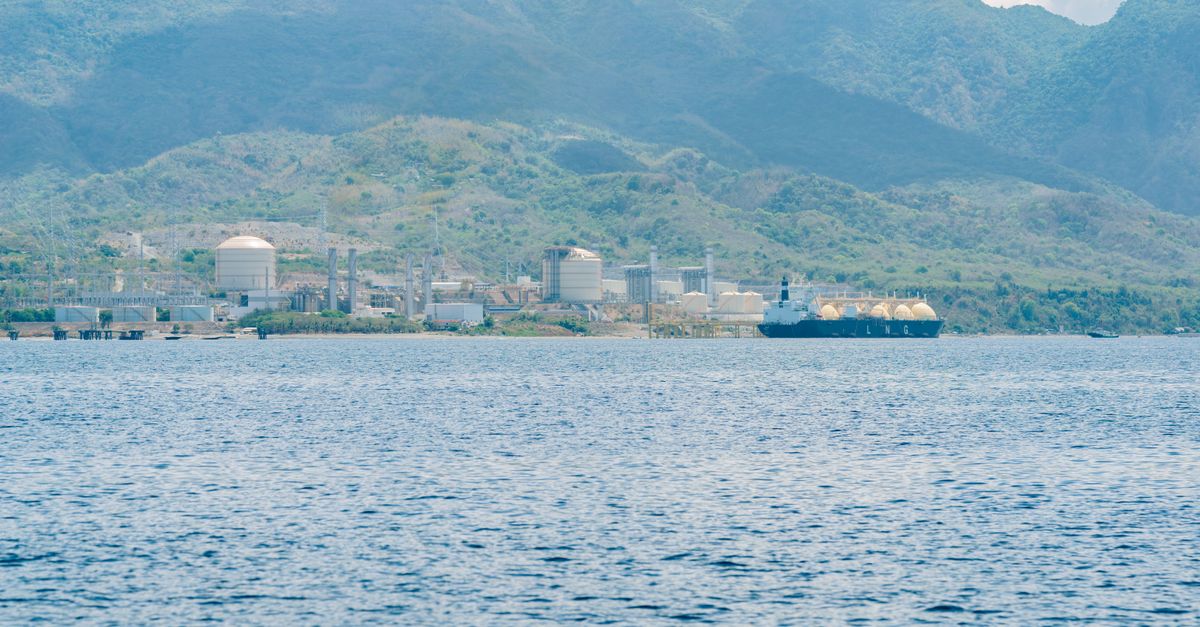
The dollar bought roughly ₱61 last week, and Saudi Aramco's official selling price for Asian buyers carried a Hormuz war-risk markup that crude traders have been quoting since the Israel-Iran flare-up reset the Gulf insurance market earlier this year. Both numbers landed at the same Limay jetty. Pilipinas Shell's Tabangao closure years ago means Bataan now carries an outsized share of finished-product output for the Luzon-Visayas corridor, so whatever the refinery posts on Monday is what a Cebu or Iloilo distributor must price on Tuesday.
The pass-through breaks somewhere around Roxas Boulevard
Under RA 8479, the Oil Deregulation Law, the Department of Energy can monitor but not block weekly pump adjustments, so the peso slide and the Gulf premium ride straight through to the rack price. Visayas distributors then add inter-island freight, which is itself indexed to bunker fuel that has stayed elevated since the spring closure scare in the Strait. By the time the tanker truck reaches a Bacolod or Tacloban retailer, the spread between landed cost and what a tricycle driver will actually pay at the nozzle has narrowed to something small operators cannot survive on for more than a few weeks.
This is the part the Manila press release tends to skip. A refinery margin holding up in Limay does not mean a Dumaguete dealer is breaking even, because the Visayas leg of the supply chain absorbs both the FX hit and the shipping premium without the scale to hedge either.
The subsidy conversation is arriving after the damage
Lawmakers have floated reviving the ECQ-era fuel subsidy template, the targeted cash cards for public utility drivers and qualified fisherfolk that ran during the pandemic shocks and again after the 2022 Russia-Ukraine spike. The bills moving through committee borrow that architecture almost verbatim, which is why the debate feels familiar and the disbursement timelines look slow. Pantawid Pasada cards historically take weeks to load after a price trigger, and the trigger language itself is still being argued over.
Meanwhile the Visayas grid is already running on a more expensive barrel because Negros and Panay plants that burn imported diesel or fuel oil for peaking are paying the same Bataan-set rack price as the jeepney operator. The electricity bill and the pump price are the same shock arriving through two pipes.
Who absorbs what, and for how long
The standard line is that deregulation lets the market clear. What it actually does in a peso-plus-Hormuz quarter is push the absorption down to whoever has the thinnest balance sheet: the barangay-level fuel retailer, the small Visayas shipping line that quoted a fixed freight rate in March, the carinderia owner buying LPG at a price the menu was not written for. None of them get a subsidy card.
If Congress wants the ECQ-era template to do real work this time, the trigger has to fire on the landed wholesale price in Visayas ports, not the Manila pump average, and the disbursement has to clear inside the same week the price moves. Otherwise the subsidy lands after the operator has already eaten the loss, parked the jeep, or quietly raised the boundary and dared the passenger to complain.