Iloilo and Zamboanga Ferry Fares Read Hormuz Before Pantawid Reads Manila
A July 2026 oil spike lands on bunker invoices first. Inter-island shipping pays the premium weeks before any DOE subsidy clears.

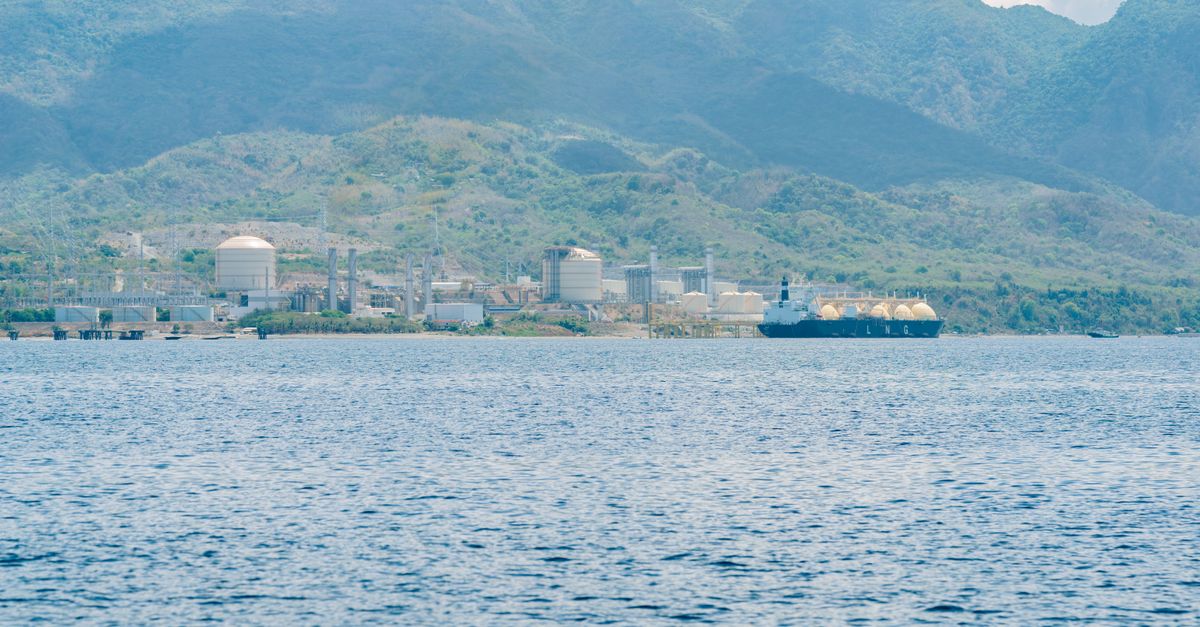
Dubai crude jumped the week the Strait of Hormuz traffic slowed, and the first Philippine ticket window to feel it is not a Petron pump in Metro Manila. It is the RORO counter in Iloilo and the fastcraft terminal in Zamboanga, where bunker fuel invoices get repriced before the LTFRB has finished reading the memo.
Inter-island shipping eats the premium first because it runs on the dirtiest, most exposed slice of the barrel. Marine fuel oil and marine diesel track Dubai and Singapore benchmarks on a weekly lag at best, and shipping lines lock in stocks one to two voyages ahead, so a spike at the loading port in the Gulf becomes a fuel surcharge at Fort San Pedro before the month is out.
Why the ferry counter moves before the pump
Land transport has cushions the sea does not. Jeepney and bus operators sit inside a deregulated retail market with a Pantawid Pasada line item, an oil price stabilization fund the DOF can lean on, and an LTFRB fare petition process that takes weeks of public hearings. The Department of Energy can also delay pass-through at the pump through informal calls to the majors, and the majors comply because they have refining margins to defend.
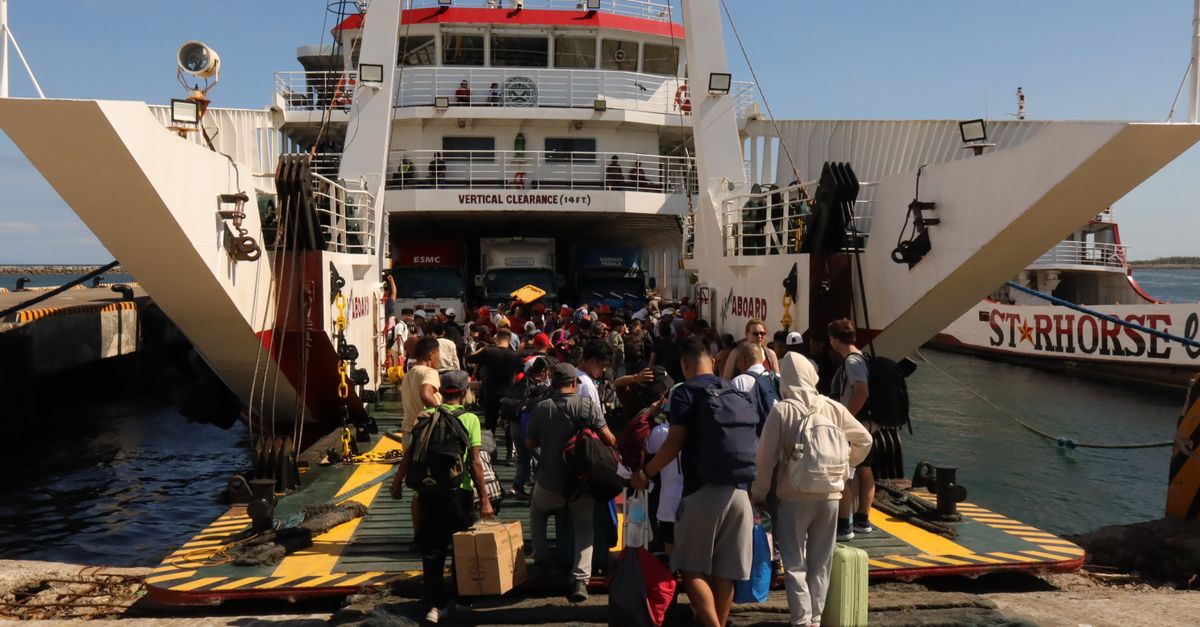
Shipping has none of that political shock absorber. The Maritime Industry Authority allows fuel cost adjustments through a bunker surcharge formula, and on the unfranchised routes that serve smaller islands, operators can repost rates with a board notice. The Iloilo-Bacolod fastcraft, the Zamboanga-Basilan and Zamboanga-Jolo lines, the Dapitan and Dipolog runs: these are the routes where a Hormuz week shows up as a higher ticket by the next weekend.
Who pays the surcharge
The passenger paying ₱80 more on a Basilan crossing is not a tourist. She is a vendor moving sako of dried fish, a student commuting to a Zamboanga City campus, a kasambahay sending a balikbayan box back to the province. The cargo side absorbs it too, then passes it forward: rice into Tawi-Tawi, construction materials into Siquijor, vegetables out of Negros into Panay. The pump price in Iloilo City may hold for a week longer than the ferry fare, but the tinapa at Terminal Market will already cost more because the boat that brought it did.
The Pantawid Pasada queue, when it opens, will route cash cards to franchised jeepney and UV Express drivers through LandBank. Inter-island shipping crews and small bangkeros are not on that list. The Department of Transportation has talked about a maritime equivalent for years, and the Maritime Industry Authority has run pilot fuel assistance windows after past spikes, but the disbursement cycle still trails the bunker invoice by a full quarter.
The receipts that arrive first
What lands in July is a sequence the audience can already read. Bunker surcharge notice at the ferry counter. Higher freight on the bill of lading for the Iloilo-to-Cagayan de Oro container. Wet market price tags climbing in Zamboanga before the Caltex sign on Veterans Avenue moves. By the time the DOE convenes the oil industry, the Basilan commuter has paid the Hormuz premium three times: once on her ticket, once on her groceries, once on the remittance fee her sister sent to cover both.