Mindoro and Palawan Fisherfolk Run Gensets on Manila-Grid Prices While Malampaya Empties
Off-grid islands already pay the highest power costs in the country. The 2026 LNG contracts replacing Malampaya will route Hormuz risk straight into their fuel drums.

The cheapest electricity in the Philippines runs through Meralco lines that fisherfolk in Sablayan and Coron will never touch. The most expensive runs through a diesel genset behind a sari-sari store, started at 6 p.m., shut off at 10, and the family pays per liter of fuel that arrived by banca from a depot that already priced in Strait of Hormuz war-risk insurance.
That gap was always wide. In 2026 it gets worse, because the Malampaya gas field that powered roughly a fifth of Luzon is running down on the same calendar as Middle East shipping premiums are pushing LNG spot cargoes to levels Philippine offtakers have not contracted around before.
The off-grid bill nobody puts on a screen
Small Power Utilities Group areas, which cover most of Occidental Mindoro and large stretches of Palawan outside Puerto Princesa, get electricity from diesel plants run by private operators and the National Power Corporation. The true cost per kilowatt-hour in these areas runs several times the Luzon grid rate, and the gap is closed by the Universal Charge for Missionary Electrification that every other ratepayer in the country quietly subsidizes on their bill.
Even with that subsidy, service in many barangays is four to six hours a night. So fisherfolk buy their own gensets, or share one between three households, and pay retail diesel that already carries the Hormuz convoy premium baked into Petron and Shell pump prices since May.
A boat operator in Bulalacao who needs to charge a freezer for the morning catch is paying, in effect, Manila grid rates plus a war-risk surcharge plus a logistics markup for fuel that crossed the Tablas Strait in a drum.
Malampaya's clock and the LNG contracts behind it
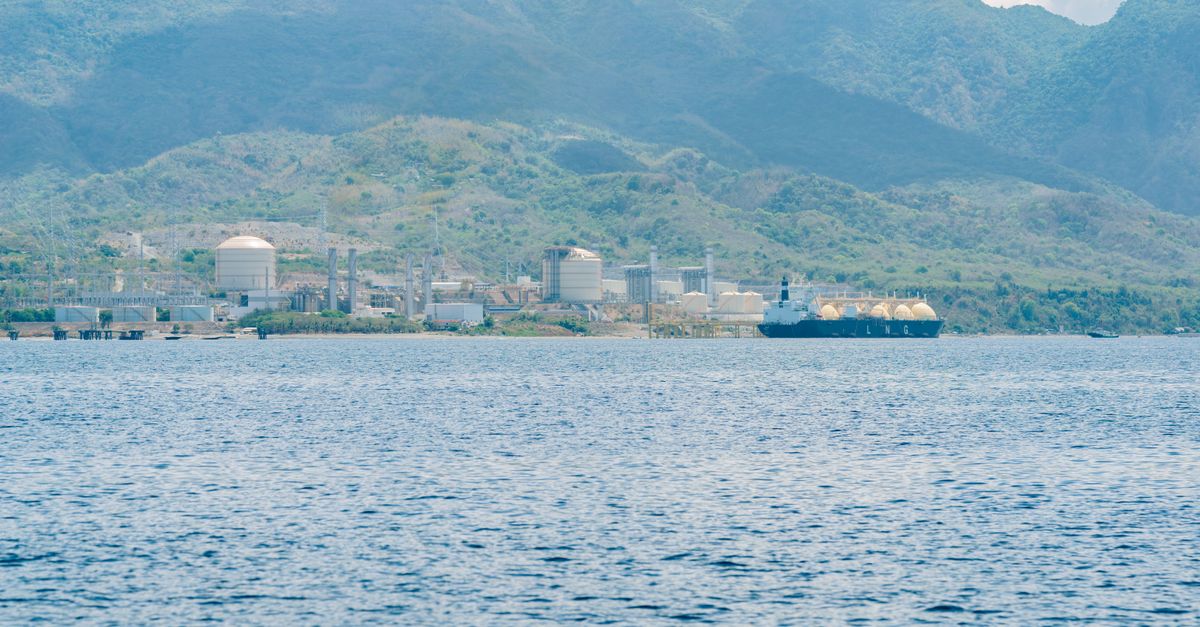
Malampaya was supposed to be the bridge. Department of Energy projections have the field's commercial output tapering through the late 2020s, and the gas plants in Batangas that ran on it are now being reconfigured to burn imported LNG delivered to the two operating terminals on the same coast.
Those LNG cargoes are priced against Asian spot benchmarks that move with every Hormuz incident, every Houthi statement, every insurance bulletin out of Lloyd's. Long-term contracts being inked for 2026 delivery are landing at numbers well above the Henry Hub pricing that early LNG advocates pitched to regulators.
None of that pricing reaches Mindoro or Palawan as cheap electrons. It reaches them as a more expensive Luzon grid that pushes the Missionary Electrification subsidy higher, which pushes the Universal Charge higher, which still does not buy a fisherfolk household more than a few hours of light.
The renewables that were promised, and the ones that arrived
Solar hybrid plants have been announced for both provinces for years. A handful are operating, more sit at the permitting stage, and the National Electrification Administration keeps issuing roadmaps for full electrification that slip with each budget cycle. Meanwhile the Terra Solar curtailment story on the Luzon grid shows what happens when generation gets built faster than transmission: the cheap power exists, but the wires to move it do not.
For an island barangay, the equivalent problem is smaller and meaner. The panels arrive. The battery bank is undersized. The maintenance contract ends after year two. The genset gets restarted.
So the 2026 bargain looks like this: fisherfolk in Mindoro and Palawan keep buying diesel at Hormuz-adjusted prices to run private gensets, while the subsidy on their official grid bill rises to cover LNG contracts replacing a gas field that is running out. The fuel changes. The pass-through does not.