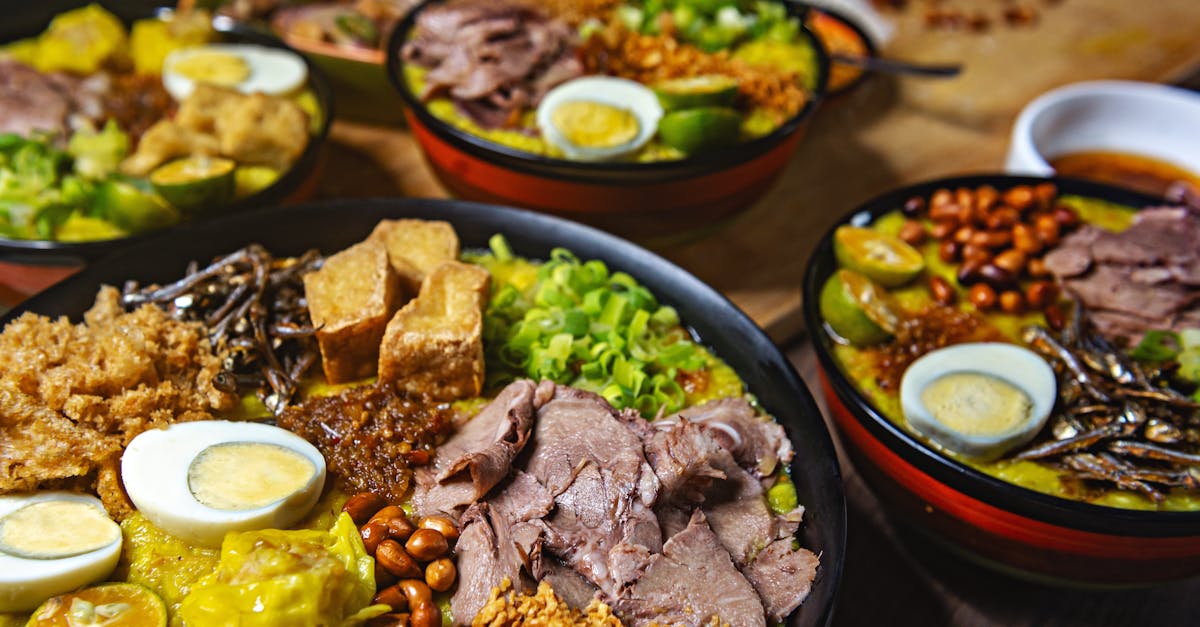
The Chain Trademarked 'La Paz Batchoy.' The La Paz Cooks Never Filed a Form.
A mall food court got there first at the IPO. Now the women who taught the dish to the city are the ones getting cease-and-desist letters.

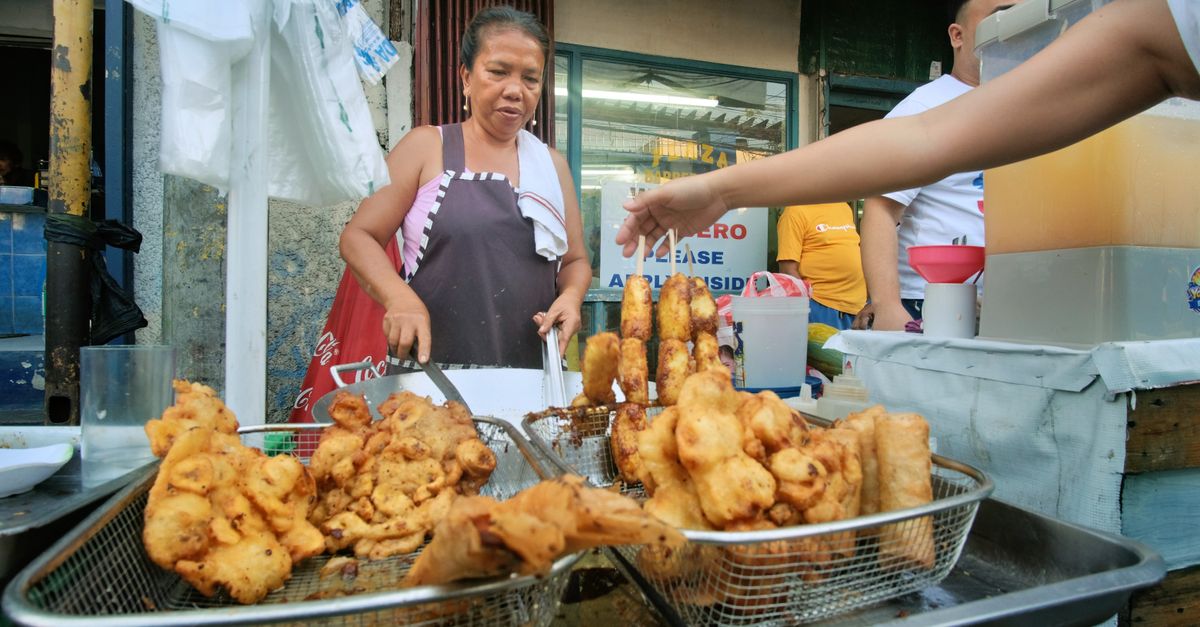
A carinderia cook in La Paz has been ladling the same batchoy her lola served since the 1970s. Last month a franchise lawyer told her the name on her tarpaulin belongs to someone else.
The someone else is a mall-food chain that registered the mark with the Intellectual Property Office. The paperwork cleared. The recipe did not come with it.
This is how naming works when the people who built a dish never treated its name as property. Batchoy came out of the La Paz public market. KBL, kadyos-baboy-langka, comes out of Ilonggo and Negrense home kitchens where nobody imagined a registration certificate. The names traveled by word of mouth, not by filing.
First to file, not first to cook
Philippine trademark law runs on first-to-file. Whoever lodges the application and survives the examination gets the mark. Prior use matters, but proving decades of it takes receipts, sworn statements, and a lawyer most carinderia owners cannot retain.
Chains have all three. They register the name, the logo, the stylized wordmark, then send letters to the small kitchens that have used the term for two generations. The letters are polite. They are also expensive to ignore.
A place name like La Paz should be hard to monopolize. Geographic terms and generic dish names sit on shaky ground at the IPO, and a registration can be opposed or cancelled. But cancellation is a proceeding, with filing fees and hearings, and the cook selling ₱65 bowls does not have a retainer for that.
What the letter actually threatens
The chain rarely wants to shut down a single stall. It wants the name uncontested on the mall directory, the delivery app, the packaging. The carinderia becomes collateral, pressured to rename, drop the term, or stop printing it on signage.
Rename to what. La Paz batchoy is the dish. Strip the words and the bowl loses the thing that tells a stranger what they are buying. The chain keeps the name that the market invented and sells it back with air-conditioning and a QR menu.
Some cooks are fighting back through associations, pooling money to file oppositions and to register collective marks that a whole town of vendors can share. A collective or certification mark can protect a regional dish without handing it to one owner. It requires organizing that most stalls have never done before, and a filing fee that stings when the day's earnings sit in a plastic tabo by the register.
The bowl and the paperwork
The lolas who codified batchoy and KBL were not careless. They were feeding a city. Registration was not part of the job, and for decades it did not need to be.
Now it is the whole fight. The cook keeps the technique, the miki, the pork stock reduced since dawn, the langka simmered soft. The chain keeps the certificate. When the cease-and-desist arrives, the certificate is the only document the barangay conciliation table will read, and the ladle counts for nothing on it.