Angeles Sisig Is Bitter, Sour, and Cut With Ear. The Mall Version Is None of That.
Food-court chains sell one sweet-chili sizzling plate as sisig. In Angeles, the cooks who invented it watch their own recipe vanish from local menus.


Order sisig at a mall in Manila, Cebu, or KL and you get the same plate: chopped pork on a sizzling skillet, mayo, a wet sweet-chili glaze, an egg cracked on top for the photo. Casual chains sell it. So do the food-court stalls from Ortigas to Davao. It is the SKU that traveled.
Ask a cook in Angeles what that is and you will get a flat look. The sisig their grandmothers made was sour and bitter, built on pig face and ear, seasoned with calamansi and chili, sometimes vinegar, no mayo, no sugar glaze. The bitterness came from the parts most kitchens throw away. That was the point.
The dish had a shape before it had a franchise
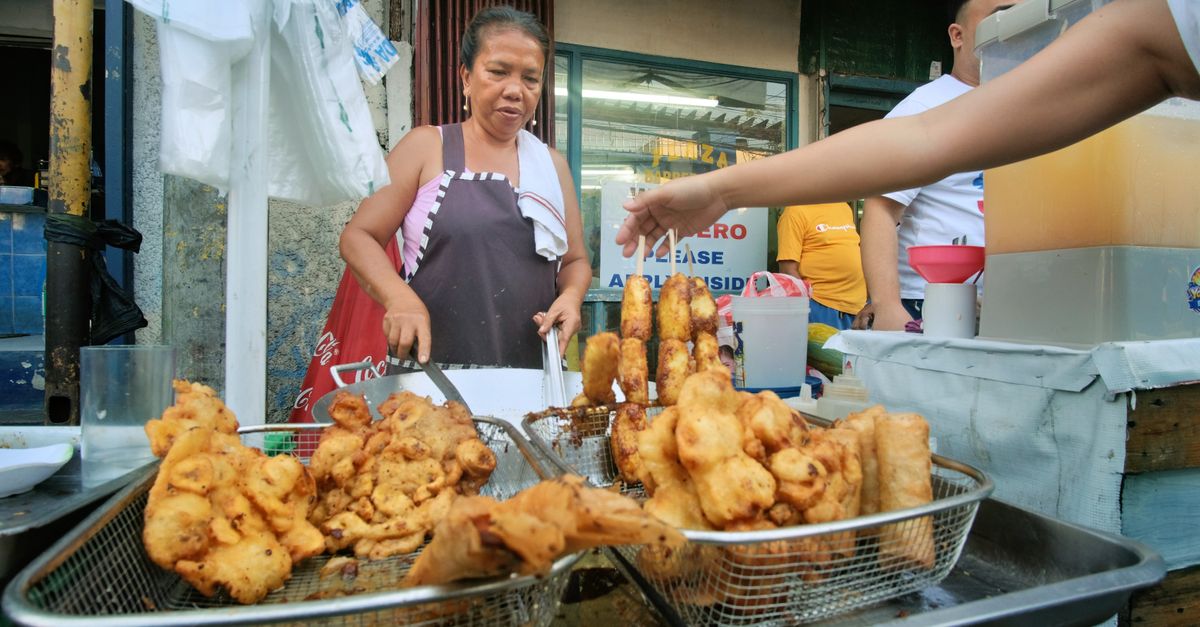
Sisig in Pampanga started as a way to use the cheek, snout, and ear that came home from the market cheap. You boiled it, grilled it for char, chopped it fine, hit it with sour and heat. The texture fought back. It was food that tasted like a specific place and a specific budget.
The sizzling plate came later, a restaurant trick to keep the meat crisp at the table. The mayo came later still, a shortcut for richness that also happens to sand down the sourness younger palates flinch at. Each edit made the dish easier to sell to someone who had never eaten the original.
By the time it reached the big chains, the edits were the recipe. Sweet, creamy, mild, egg on top, no organ meat that reads as strange on a menu photo. It scales. It ships. It photographs.
What flattens when a dish becomes a product
Chains do not set out to erase a regional cuisine. They optimize for consistency, cold-chain logistics, and a taste that offends no one across a hundred branches. Bitterness and sourness are risks. Pig ear is a supply headache. So the parts that made sisig Kapampangan get engineered out, one procurement decision at a time.
The cost lands hardest where the dish came from. Cooks in Angeles report that customers, including local ones, now arrive expecting the mall version and send back the real thing as wrong. A dish that was invented to taste like Pampanga now has to explain itself in Pampanga.
Some kitchens hold the line and lose covers to it. Others quietly add mayo and cut the ear so the plate matches what people saw on TikTok. The recipe that survives is the one that sells, and the one that sells is the one a chain standardized in a test kitchen far from any market that stocks pig face.
Who owns the version that wins
There is no trademark fight here, no clean villain. Nobody filed a form. The chains just moved faster and louder than any single carinderia, and the loudest version becomes the one a whole region grows up thinking is the default.
The fix is not nostalgia. It is demand. If you are in Angeles, order the sour one, eat the ear, do not send it back. If you are anywhere else, know that the sizzling sweet plate is a franchise product wearing a Kapampangan name. The original still exists in kitchens that will stop making it the day the last customer stops asking.