
The Cebu Cousins Filmed the Lechon. The Food Hall Two Stalls Down Bought the Search Terms.
A viral lechon recipe travels farther than the barangay that perfected it, and a chain now owns the words strangers type when they want the real thing.

A lechon recipe leaves Talisay on a phone screen and lands in a comment section run out of Daly City. The grandkids narrate it in an accent their lola would tease them for. The pot they are recreating belongs to a barangay that fed weddings and fiestas for decades and never once asked for a tag.
That is where the money splits. The clip does numbers. The people who taught the cousins how to score the skin and truss the pig get a shoutout at best, a blur in the background at worst.
The set was never the asset
The cousins think the recipe is theirs to carry because it came down through the family. Fair enough. Nobody owns adobo, nobody owns lechon, and the barangay never filed anything to say otherwise.
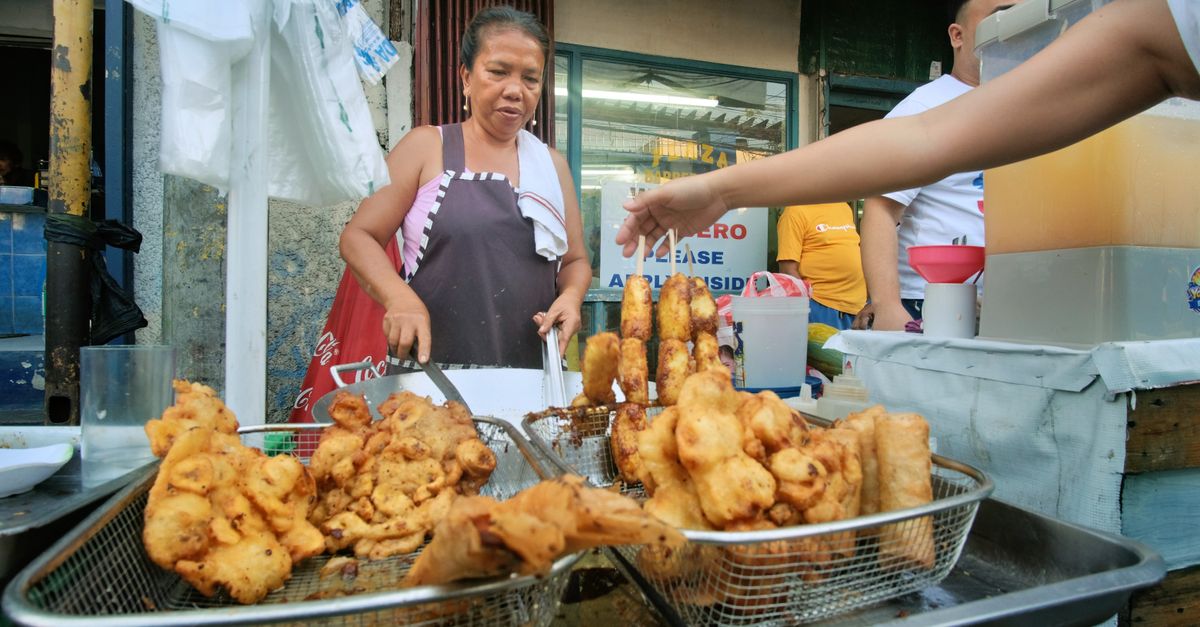
But there is a difference between inheriting a recipe and inheriting the labor behind it. The women who wake at 4 a.m. to prep the cavity, the men who turn the pig over coals for hours, the neighbor who mixes the sauce by taste and refuses to write it down. None of that fits in a 90-second edit, and none of it collects.
The chain runs the words now
Here is the part that stings. A food-hall operator filmed near the same family cooks, packaged a version for its stalls, and bought the search terms. Type "best Cebu lechon recipe" or "authentic lechon Cebu" and the chain sits at the top, because it pays to sit there.
The cousins get the views. The chain gets the intent. Views are a mood. Intent is a person with a card out, ready to order, and that traffic goes to whoever owns the keywords.
The barangay owns neither. They cook, the algorithm sorts, and a corporate menu absorbs the reputation they built one fiesta at a time.
What actually got taken
Recipes were always meant to travel. A dish that leaves the province and shows up in a Daly City kitchen is the diaspora working exactly as it should. The grandkids are not villains for cooking their lola's pig on camera.
The theft is quieter and more legal. It is a chain reading the same street the family cooks work on, filming their process, and then paying a platform to make sure customers searching for that process find the chain first. No form was filed against anyone. That is what makes it clean.
The people who kept the recipe alive have no listing, no verified account, no ad budget, and no cousin abroad to hand them a viral head start. They still turn the pig over the coals. They just do not appear when someone types their own dish into a search bar.