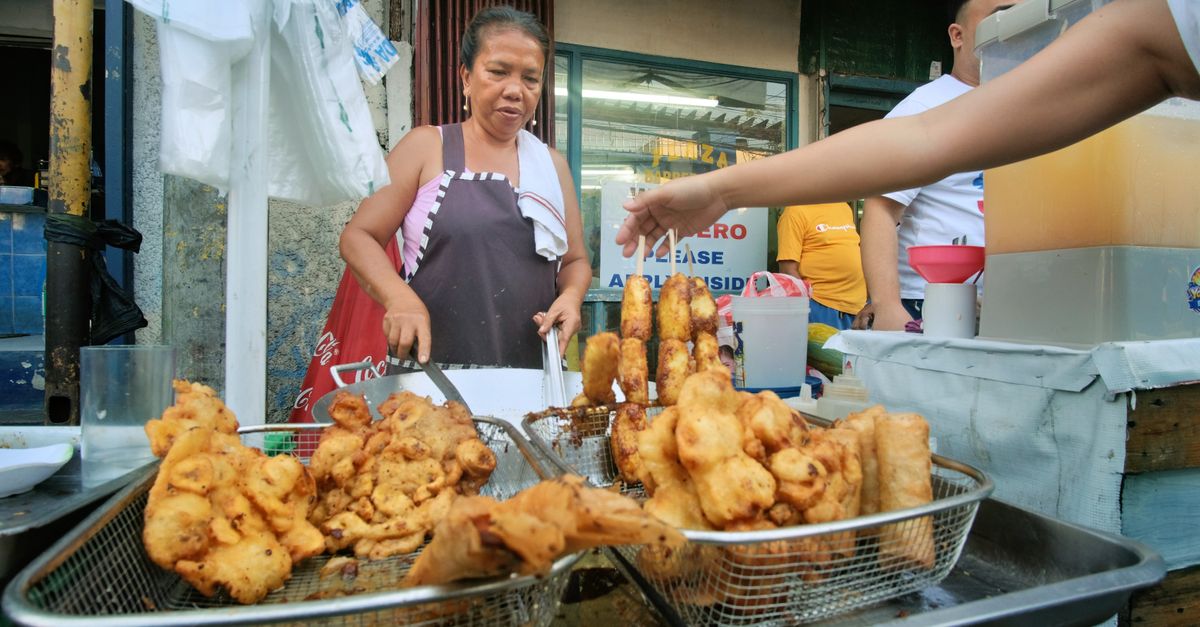
The Bale Costs More Every Season. The Preloved App Undercuts You Anyway.
Baguio's thrift stalls buy blind sacks at rising per-kilo rates, then watch the same racks flood every resale app. You can't outbuy a warehouse.

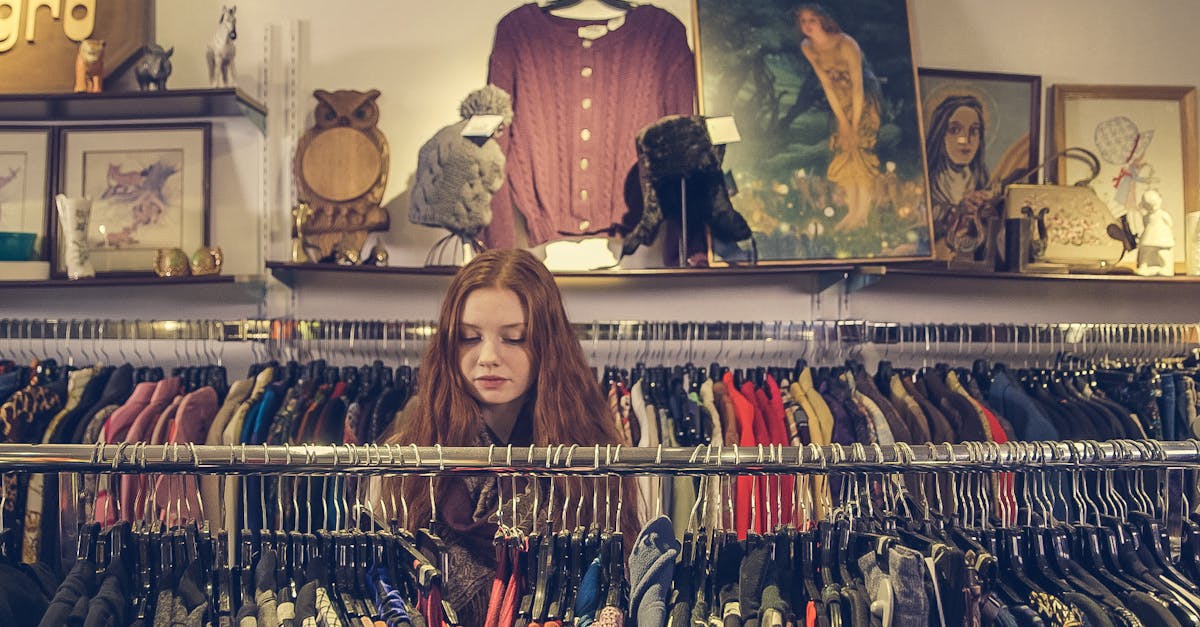
A Baguio ukay-ukay stall now loses twice on the same shirt. The bale supplier charged more for the sack it came in, and a resale app already listed the exact style, shipped from a warehouse, priced under what the stall paid to open the bag.
This is fashion on a budget for the people who used to sell it cheap. The math that kept Baguio's thrift culture alive has quietly stopped working.
The blind sack got expensive
Ukay runs on the bale. You buy a compressed sack, sight unseen, sorted somewhere overseas, and you pray the middle isn't stained sleepwear and single socks. Vendors in the wagwagan districts have watched per-kilo rates climb across recent seasons, with importers passing along higher landed costs and tighter sorting at the source.
The gamble was always the point. Pay for the kilo, gamble on the contents, mark up the wearable pieces to cover the trash you throw out. Raise the per-kilo rate and the gamble tilts against the stall before the sack even opens.
A stall owner can't renegotiate a bale price. You take the rate or you don't get the sack. The supplier holds every card, and the vendor absorbs whatever comes packed inside.
The app raids the same rack
Now add the phone in every buyer's hand. Preloved apps and resale accounts pull from the same overseas surplus stream, sometimes the same bulk lots, and list individual pieces with photos, measurements, and a courier that comes to the door.
A Baguio stall competes on the same denim jacket a warehouse listing already priced lower, cleaner, and searchable. The stall paid to dig it out of a sack. The app operator paid to warehouse a graded pile and photograph the good ones.
Buyers still climb up to the market for the hunt, the crush of racks, the win of finding a real piece for a few hundred pesos. That foot traffic is real. But the price anchor now sits on a screen, and the screen keeps winning on the items that actually move.
The squeeze has a floor and a ceiling
So the stall gets pinched from both ends. The cost to acquire stock goes up, set by a supplier who doesn't negotiate. The price a buyer will pay gets capped by an app the stall can't outbuy or out-list.
Volume was the old defense. Move enough kilos, sell enough pieces, and the margins added up even when they were thin. That defense needs cheap bales and buyers who don't have a cheaper option one tab away. Both are gone.
The stalls that survive are learning to shoot their own listings, measure their own inventory, and run a resale account beside the physical rack. That means a smartphone, data load, and hours after close spent editing photos instead of sleeping.
The rent on the stall stays due whether the sack pays off or not. The next bale still costs more than the last. And the buyer who used to haggle in person now checks the app first, on the same climb up to the market, deciding before she reaches your rack whether your price was ever going to win.