The App Ranks the Sambal by How It Photographs. Regulars Can't Find the Stall.
A Jakarta warteg owner shot her chili paste under a ring light to climb a food-app leaderboard. The algorithm rewards the photo. It buried the pin.


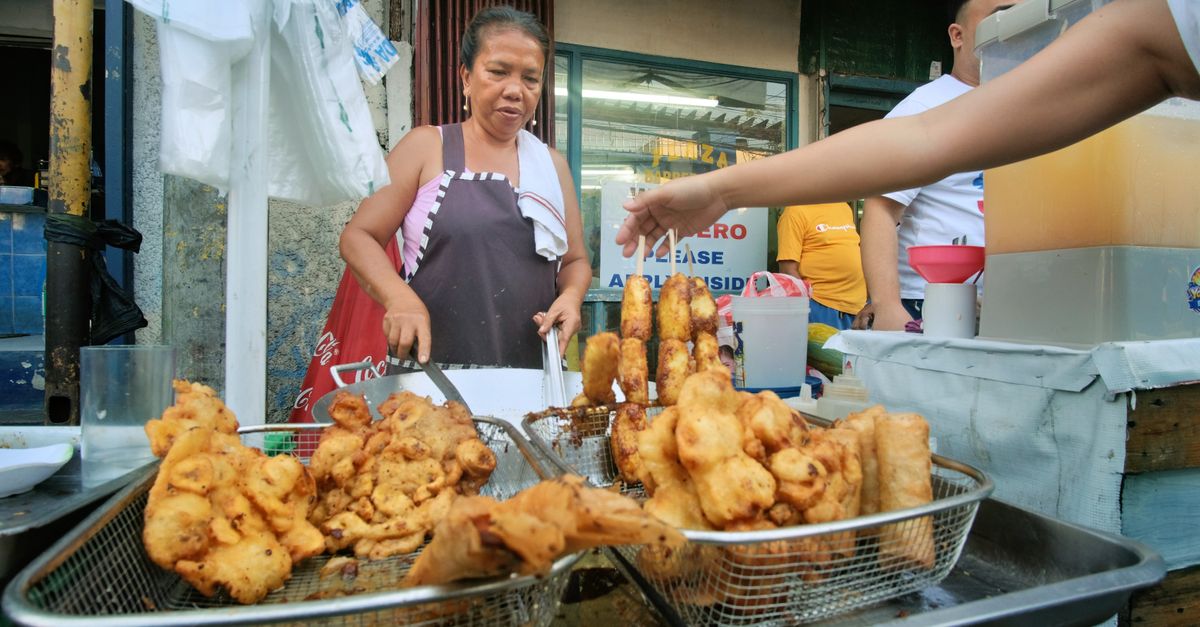
A warteg cook in Jakarta now spends the quiet hour between lunch rushes photographing her sambal. Ring light, white plate, angle from above. The food-app coaching videos say this is how you move up the ranking, and moving up the ranking is the only way new customers open your listing at all.
The catch: the ranking rewards the photo, not the plate. Bright, saturated, evenly lit. A sambal terasi that tastes like it should smell of burnt shrimp paste photographs like brown mush next to a chain's neon-red mock-up. So the cook learns to plate for the camera, and the camera decides who eats.
The pin moved and nobody told the regulars
Here is what nobody warned her about. Chasing the leaderboard meant tweaking the listing, changing the display name, reshooting the storefront. Somewhere in that churn, the map pin drifted or the old listing got buried under the new one. The tukang ojek who ate there every day for two years now scrolls past a stall he doesn't recognize.
Discovery on these apps runs one direction. The algorithm sends fresh users to whatever photographs best this week. It does not send back the man who already knew where the good sambal was. He was never the target. He was already a customer, and customers you already have don't move the numbers the app cares about.
Lighting is capital the small stall doesn't have
Chains have staff who do nothing but food styling. A warteg is one or two people cooking, serving, washing, and closing. Every hour spent staging a plate is an hour not spent cooking, and the payoff is a photo that competes with a company that hired a photographer.
Food vendors and small-business groups have flagged the same squeeze across Indonesian cities: the platforms became the front door, and the front door now judges you on production value you can't afford. The food was never the problem. The food was the whole point of the stall.
What the ranking actually costs
The regulars were the margin. They came without a promo code, without a delivery fee split three ways, without an app taking its cut. They paid cash, ate fast, came back. That was the business.
Now the cook trades a reliable Rp15,000 lunch for a listing that might surface to a stranger who orders once and never returns. She's optimizing for the exact customer the platform can monetize and losing the one who kept the lights on.
The fix isn't a better camera. It's a ranking that reads a map pin and a return-customer rate instead of the color temperature of a chili paste. Until the app counts who actually comes back, the warteg with the best sambal in the block stays invisible, and the one who learned to light it well eats the reward.