The App Keeps the Name Char Kway Teow. The Hawker License the Family Held for Decades Does Not.
Cloud kitchens court heritage recipes for delivery apps. The menu name is the asset. The stall license, the site, and the direct customers are what a family stands to lose.

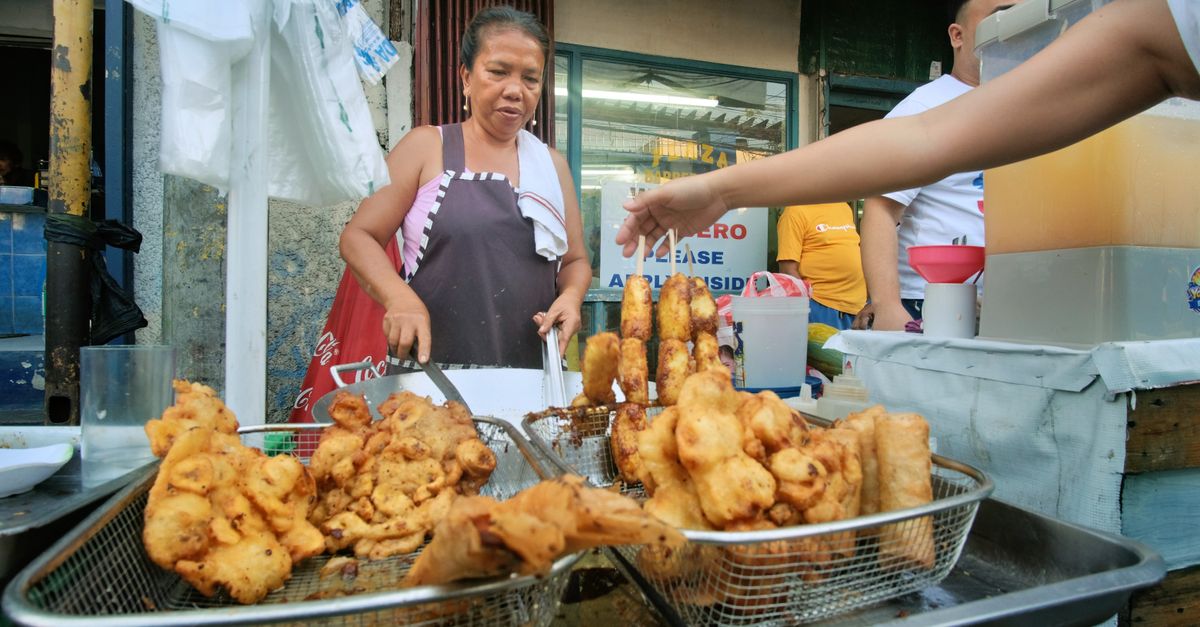
Delivery platforms and the kitchens that feed them want the dishes that people line up for, and the recipes that make those dishes worth the line often sit with hawker families. In Penang, char kway teow carries a name because a specific person cooked it at a specific spot for years. The pitch to the next generation is steady orders and a menu listing. What a family can lose in the trade is the license the parents carried for decades.
The cloud-kitchen model is easy to describe. Operators rent equipped kitchen space to F&B businesses and package them onto delivery apps. Some market themselves as preserving local street-food heritage. kEATchen, based at Taman Perindustrian Jaya in Petaling Jaya with sites in Ara Damansara, Ampang and Bukit Bintang, rents out kitchen space and frames its brand around keeping local street food alive. That is the shape of the industry a Penang hawker kid gets pitched into, even when the operator itself is not the one asking for a recipe.
What standardization would remove
Once a recipe is written into a central kitchen, the person who cooked it becomes optional. The plate that used to carry a hawker's name could ship from a shared unit where line cooks follow a spec sheet. Same menu name on the app. Different hands on the ladle. That is the risk hawker families weigh when a partnership offer arrives, whether or not any single operator is doing it.
The parents' stall runs on a hawker license tied to a physical spot at a market or a food court. On Penang Island, MBPP business licenses are valid for one year from the date of issuance, and renewal runs through the council's online portal, uLesen, at ulesen.mbpp.gov.my. That license came with rent a family could survive on and a queue that knew the face behind the wok. A delivery-first arrangement does not need the stall, so the question becomes what happens to the license once the stall stops earning.
The name is the asset
Penang food carries provenance. People order a specific plate because a specific person cooked it for years, and that reputation is worth money. Any menu listing that keeps the name keeps the thing that pulls orders. The worry for a family is plain: hand over the recipe, keep less of the income, and watch the name do the selling without the license or the site attached to it.
Nobody signs a form that says surrender your identity. The paperwork talks about recipe licensing, kitchen partnership, revenue share. The hawker kid reads steady income. The parents read a threat to the license line they held for years.
The math the family runs after
Getting a council stall back runs on the council's clock. MBPP opened applications for 163 vacant stalls across 37 public markets, food courts and temporary hawker sites on 9 November 2024, with applications closing on 19 November and online interviews on 21 November, as announced by MBPP Public Health and Licensing Committee alternate chairman Tan Soo Siang. The council has run further rounds since, including an open-interview round in March with applications taken through ulesen.mbpp.gov.my. A family that lets its license lapse waits for the next announced round and competes for a slot it once held outright.
Delivery apps also take a cut on every order, and vendors across the region have long complained about how those cuts eat their margins. The family that once priced its own plate takes what an arrangement pays for cooking under a name it built.
Char kway teow was never just a dish here. It was a livelihood attached to one stall, one license, one queue that formed at dusk. The recipe can still get cooked after all of that changes hands. The family that built it waits on the next application round and counts what is left.