She Opens the Bale at Dawn. The Shopee Listing Resells It by Noon as 'Curated.'
Cebu ukay-ukay sellers dig through imported castoffs for hours. A reseller photographs the same shirts, adds a vintage markup, and promises returns that never arrive.

A ukay-ukay vendor in Carbon pays for a bale blind. A thrift chain in the Global North packs it, ships it, and she cuts the plastic open without knowing if she bought wearable cotton or a sack of stained fleece.
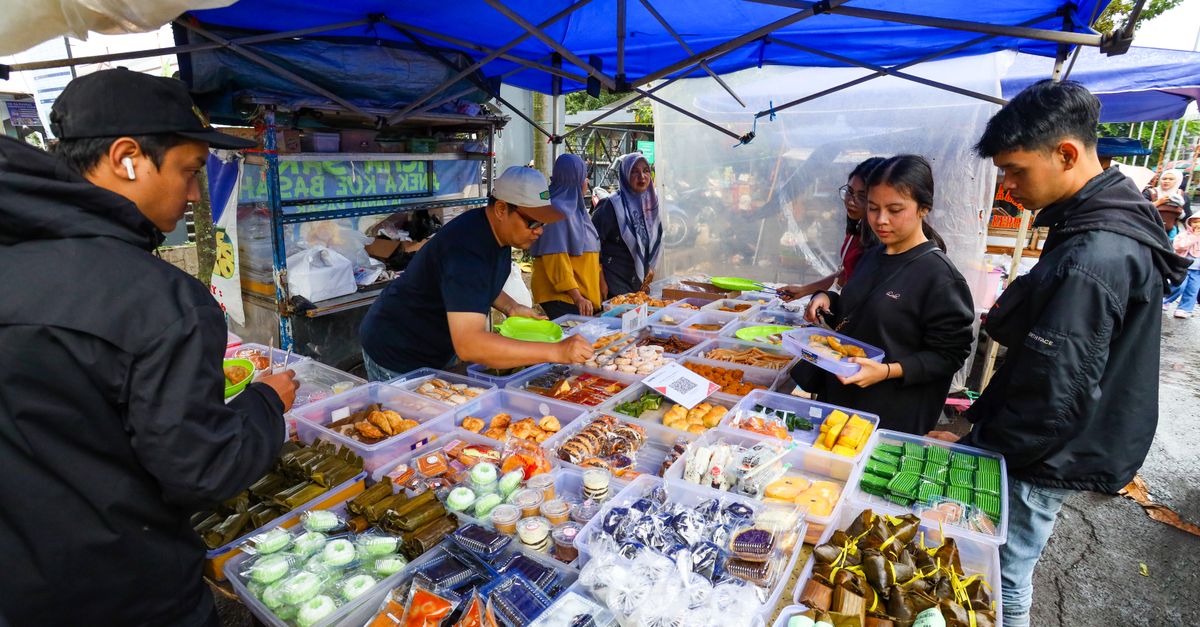
She sorts for hours. Shirts get hung by size, the stained ones go to the few-peso pile, and the good finds, a boxy denim jacket, a band tee nobody up north wanted, hang at the front where the morning light hits them.
Across town, a reseller buys from the same supply. Same bales, same castoffs from the same Global North closets. The difference is the photo.
The markup lives in the caption
The Shopee listing shoots that denim jacket on a clean background with a ring light. The caption reads "vintage curated," "thrifted finds," "Y2K archive." The price jumps several times over.
Same jacket. The vendor in Carbon sells it for what she can get standing in the heat. The reseller sells it to a buyer scrolling in air-conditioning who never smells the bale, never digs, never knows the markup is for the digging someone else already did.
Platform economics reward the one with the phone, not the one with the inventory. The reseller's margin comes from distance, from the buyer not knowing where the shirt actually came from or what it cost to find it.
Free returns nobody honors
The listings advertise free returns. The buyer who gets a jacket with a hole the photo hid tries to send it back and the shop goes quiet. Address wrong, chat ignored, refund request left to expire.
Thrift goods move one way. The reseller knows there is no reverse supply chain for a single used jacket, so the return policy sits in the listing as a trust signal and nothing more. Shopee's buyer protection grinds slow enough that most people give up before it resolves.
The vendor in Carbon can't offer free returns. She also can't hide a hole. The buyer holds the shirt, checks the seams, haggles, and walks with exactly what they inspected. Her whole business runs on the thing the reseller fakes.
The same closet, two ladders
Both sellers depend on rich countries throwing clothes away. Both resell what landed here because somewhere else it was trash. The imported-castoffs trade was never clean.
What changed is who captures the price. The vendor carries the bale cost, the sorting labor, the stall fee, the bad-luck bales full of ruined fabric. The reseller carries a ring light and a caption, and the feed hands them the buyer willing to pay a premium for a word.
She still opens the next bale at dawn. By noon her best finds are already screenshotted, relisted, and sold to someone who will never set foot in Carbon, and the return button under that listing leads nowhere.