Hormuz Insurance Spiked in May. The Sack of Rice Crossing to Cebu Pays for It in June.
Tanker premiums through the Strait of Hormuz jumped last month and Petron is quietly repricing bunker fuel contracts. The cost lands on inter-island shipping, then on your rice.

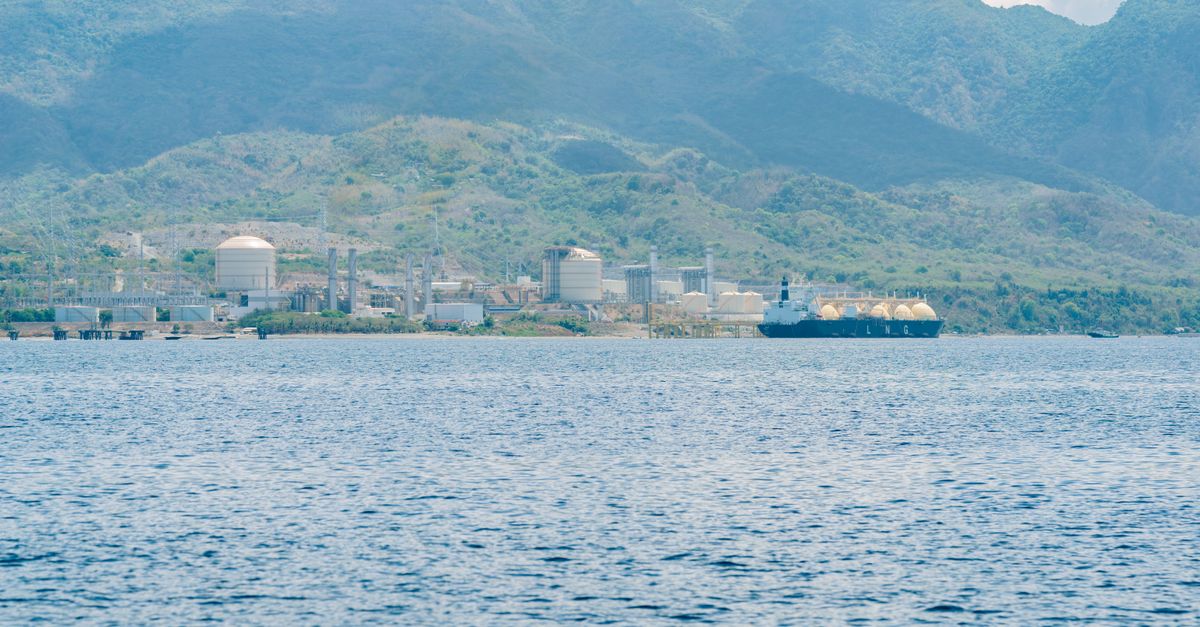
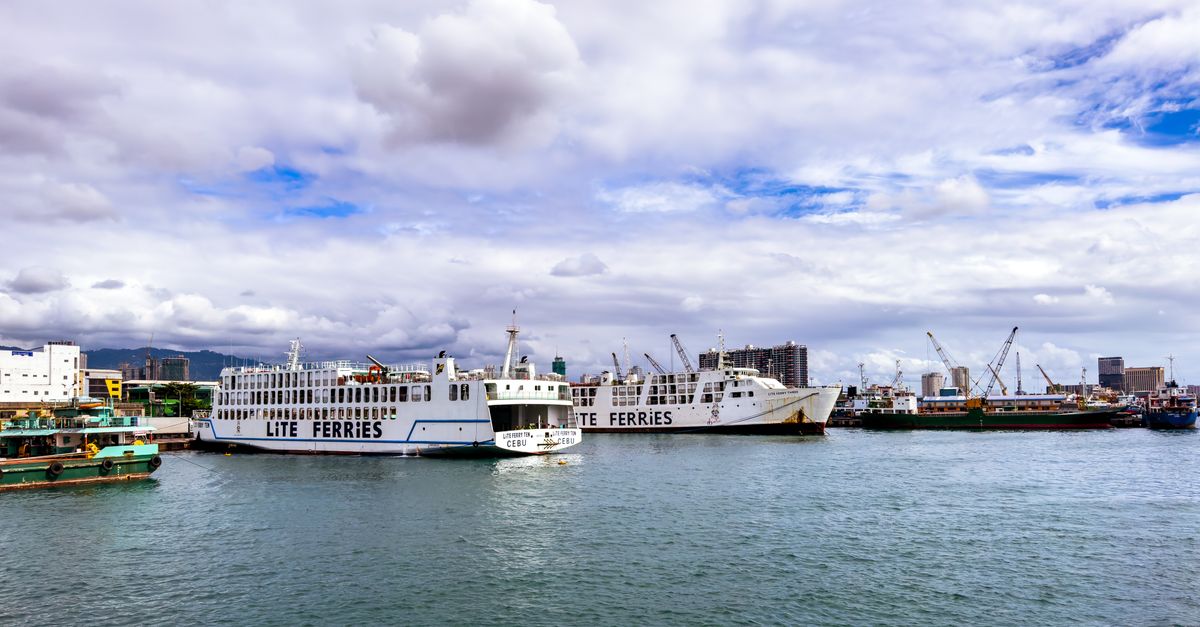
Marine insurers added war-risk surcharges to tankers crossing the Strait of Hormuz in May 2026, after another round of Gulf incidents pushed underwriters at Lloyd's to widen the listed area. Those premiums travel down the chain: into the landed cost of crude and refined product at Subic and Limay, into the bunker fuel that powers the boats moving sacks of rice from Iloilo and Mindoro to Cebu, Bohol, and Tacloban.
Petron and Shell, the two domestic refiners holding most of the bunker supply contracts for Visayas shipping lines, are repricing those contracts without a press release. Industry trackers and shipping operators have flagged the upward adjustment, and the smaller 2GO competitors will follow because they buy from the same suppliers.
The hidden line item on every sack
A 50-kilo sack of rice from a Western Visayas trader to a Cebu wet market wholesaler carries a freight cost most consumers never see. Shipping lines pass bunker surcharges through to cargo rates, traders pass the cargo rate through to wholesale, and wholesalers pass it through at the palengke. By the time it reaches the rice retailer in Mandaue, a 50-centavo jump per kilo looks like nobody's fault.
The National Food Authority's buffer covers a sliver of national consumption, and the rice tariffication law left private traders running the price. So when bunker goes up, the household pays, and the only question is how many weeks the lag takes.
The Gulf is closer to the wet market than people think
The Philippines imports nearly all its crude. Roughly a fifth of the world's seaborne oil moves through Hormuz, and Filipino refiners draw from Saudi, Emirati, and Kuwaiti grades that ride those same tankers. A premium shock in Dubai underwriting offices in May is a bunker invoice in Iloilo in June, and a rice retail board adjustment in July.
The Department of Energy can point to oil deregulation and say the pass-through is automatic. That is true and also useless to a household in Lapu-Lapu deciding between rice and ulam. The Pantawid Pasada subsidy was built for jeepneys, not for inter-island cargo, and there is no equivalent backstop for the boats hauling food between islands.
What the policy gap looks like up close
The Maritime Industry Authority sets safety rules and route franchises, not fuel hedging. Shipping lines could lock in bunker prices through forward contracts, and the larger ones do, but the smaller operators serving secondary routes (Romblon, Masbate, Camotes) cannot, and those are the routes feeding the islands with the thinnest food supply.
A serious response would mean strategic petroleum reserves the country has talked about for two decades and never built, bunker hedging facilities for accredited domestic shippers, and a targeted freight subsidy for staple food cargo on inter-island routes. None of these exist in usable form right now.
So the Hormuz premium sits inside a Petron contract, the contract sits inside a 2GO surcharge, the surcharge sits inside a trader's invoice, and the invoice sits on top of the sack a Cebuana rice retailer hauls off the truck on a Friday morning. She will mark up the kilo by 50 centavos and lose the customer who used to buy three.