Halo-Halo Is 'Filipino Bingsu' in Seoul Now and Manila Vendors See the Markup
Seoul cafes are selling halo-halo with a Korean rebrand at premium prices. The aunties at Quiapo are still selling the original for pocket change.


Korean dessert cafes have started putting halo-halo on their menus, with one important edit. They are calling it Filipino Bingsu. The shaved ice, leche flan, ube, sweet beans, and nata de coco are the same ingredients your tita has been ladling into plastic cups for as long as you can remember. The price tag in Seoul, converted to pesos, looks nothing like the price tag in Quiapo.
The rebrand is doing the heavy lifting. The credit, somehow, is going somewhere else.
The rebrand is the product
Bingsu is Korean shaved ice. Halo-halo is Filipino shaved ice with evaporated milk, layered toppings, and a logic that predates the word fusion. They are not the same dessert. Calling halo-halo a type of bingsu is like calling sinigang a type of tom yum because both are sour soups.
The rename is not accidental. Korean dessert cafes know that Filipino food does not move premium pricing in Seoul yet. K-branding does. Put bingsu on a menu and it scans as familiar, refined, photographable. Put halo-halo and you have to explain what ube is to a customer who has already moved on to the next stall.
Manila vendors see the receipts
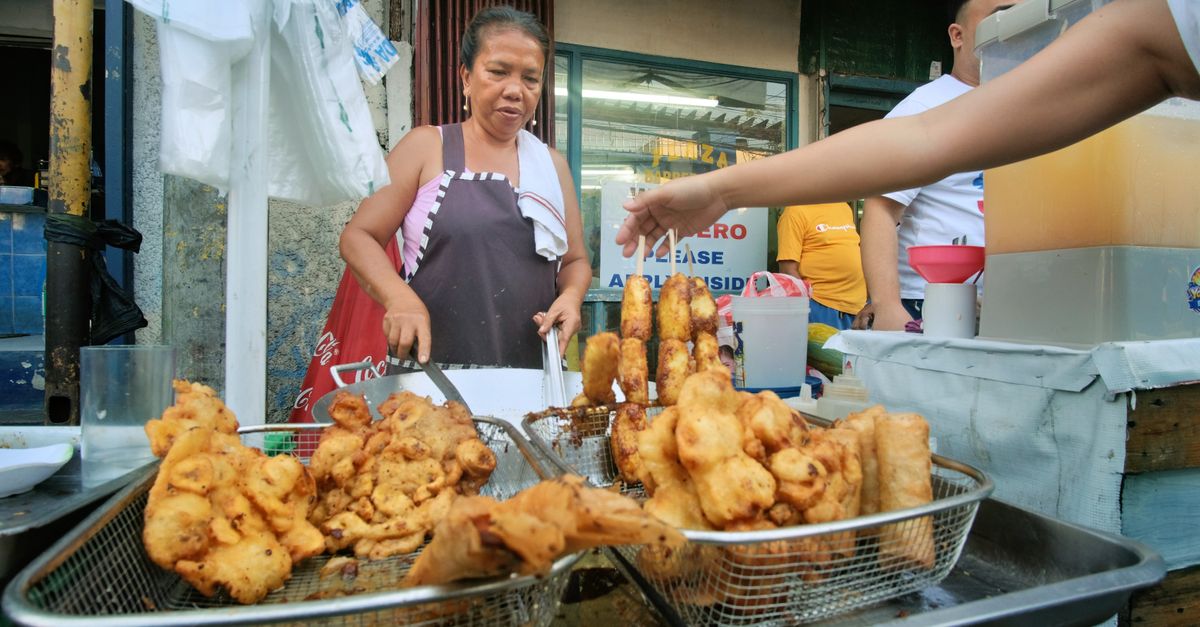
The neighborhood vendors selling halo-halo for the price of a jeepney ride are watching the same TikToks you are. They see the ceramic bowls. They see the won prices converted into pesos in the comments. They see Korean food vloggers explaining ube like it was discovered last year.
Some food sellers in Manila say the comparison stings. A halo-halo in a sari-sari freezer and a halo-halo in a Hongdae cafe contain the same ingredients, sourced from the same kind of supplier, layered in the same order. One sells for spare change. The other gets photographed under warm lighting and sold for several times more.
The frustration is not that Koreans are eating halo-halo. Filipino food traveling is good. The frustration is the asymmetry. A Manila vendor who has made halo-halo for decades cannot charge premium-cafe prices for it in Manila. A Seoul cafe that learned the recipe last quarter can.
Soft power is paperwork
South Korea spent years and serious government money turning kimchi, tteokbokki, and bingsu into globally legible categories. There is a state-backed playbook for this: standardize the name, fund the cookbooks, get the dramas to feature the dish, train the chefs abroad. Filipino food has very little of that infrastructure. What it has is diaspora aunties, a few cookbook authors, and Jollibee.
So when halo-halo lands in Seoul, it lands without a passport. The Korean cafe owner gets to name it, price it, and define it for a new market. The Filipino vendor who invented the layering gets a screenshot in a quote-tweet.
The vendors at Quiapo are not asking for royalties. They are asking why a dish their families have sold for generations is suddenly worth several times more once a Korean barista plates it. The answer is sitting in the menu translation, in the ceramic bowl, in the word bingsu doing work that the word halo-halo is not yet allowed to do.