Baguio Vendors Hunt One Bale for the Fit Shein Ships at Half the Price
Ukay-ukay runs on labor and luck. Fast fashion runs on a warehouse that never sleeps. The perfect thrift find now competes with a drop it can't out-cheap.


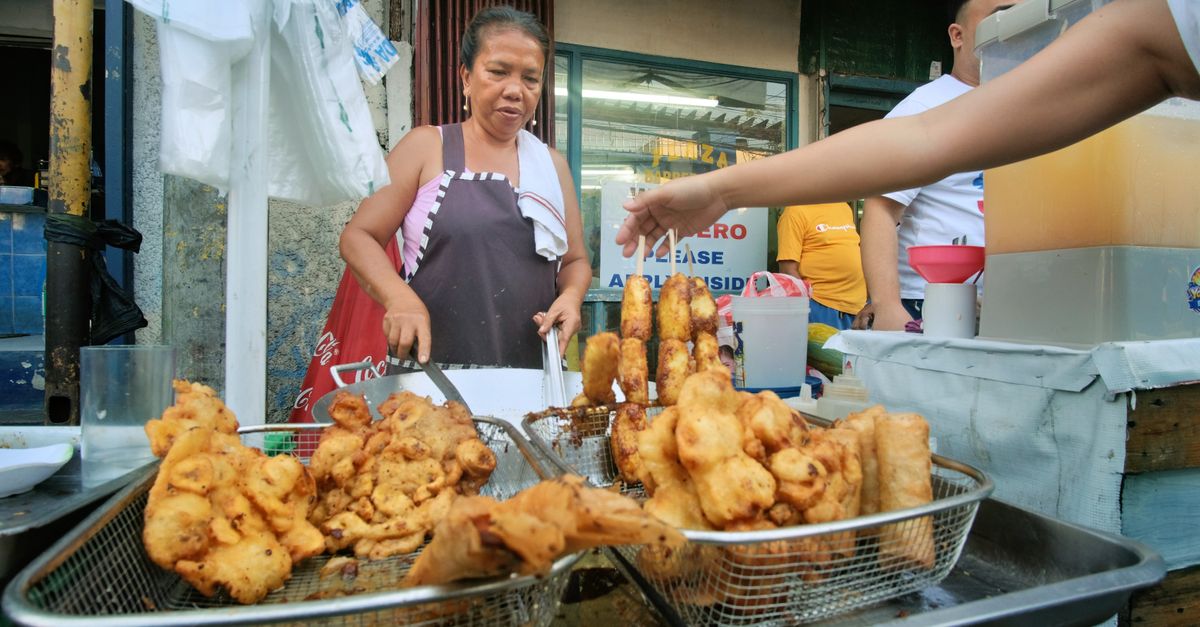
A vendor along Baguio's ukay strip pays for a bale sight unseen, then spends the morning cutting the plastic and praying. Inside might be twenty wearable pieces or forty rags. The good silhouette, the boxy tee, the cropped denim jacket you actually want, gets pulled to the front rack and priced to move.
Across the same city, on the same phone the vendor scrolls between customers, Shein drops that exact silhouette. New, tagged, sized in a range, half the cost of the thrift hunt. No sorting. No luck. Add to cart.
The math the vendor can't beat
Ukay-ukay was always cheap because it was secondhand and slightly random. That randomness used to be the price of entry, and it worked when the alternative was a mall markup. The alternative changed.
Fast fashion platforms manufacture the trend directly, in small batches, tracked against what's selling that week. They don't wait for a garment to be worn overseas, baled, shipped, taxed, and sorted by hand in a Session Road stall. They print the demand and ship it.
So the vendor's edge, finding the one great piece in a pile, becomes a cost the buyer no longer has to pay. Why dig when the same cut arrives sized and stitched for less?
What the bale actually costs now
Bale prices have climbed for years. Traders report the sorting is worse too, more filler, fewer wearable pieces per kilo, as the countries sending castoffs keep the good stuff for their own resale apps first.
That leaves the Baguio seller absorbing two squeezes at once. Higher input, thinner haul, and a competitor who never opens a bale in their life. The labor that made ukay-ukay a craft, knowing the racks, spotting the wool, steaming the wrinkle out, doesn't show up on a price tag a customer compares.
Cheap isn't neutral
The ukay pile is other people's clothes given a second life. The drop is new polyester made to be worn a few times and tossed, which eventually becomes somebody's bale problem down the line. Buying the cheaper option feeds the exact flood that's degrading the bales in the first place.
Young buyers in Baguio know this. They also know rent, fare, and a payday that stretches thin by the second week. Ethics lose to arithmetic when the arithmetic is this brutal.
The vendor isn't asking for charity. They're asking to be paid for the sorting, the eye, the steam iron, and the walk-up rent on a stall the platform doesn't carry. Right now the buyer can skip all of it for less, and the bale that took a week to sift sits on the rack while a Sunday listing clears the same shirt by dinner.