Warteg Owners Split the BPJS Bill So One Premium Doesn't Eat a Whole Day's Rice
Solo enrollment in Indonesia's health scheme swallows a full day of margin. So Jakarta food stalls stack receipts and pay as a block.


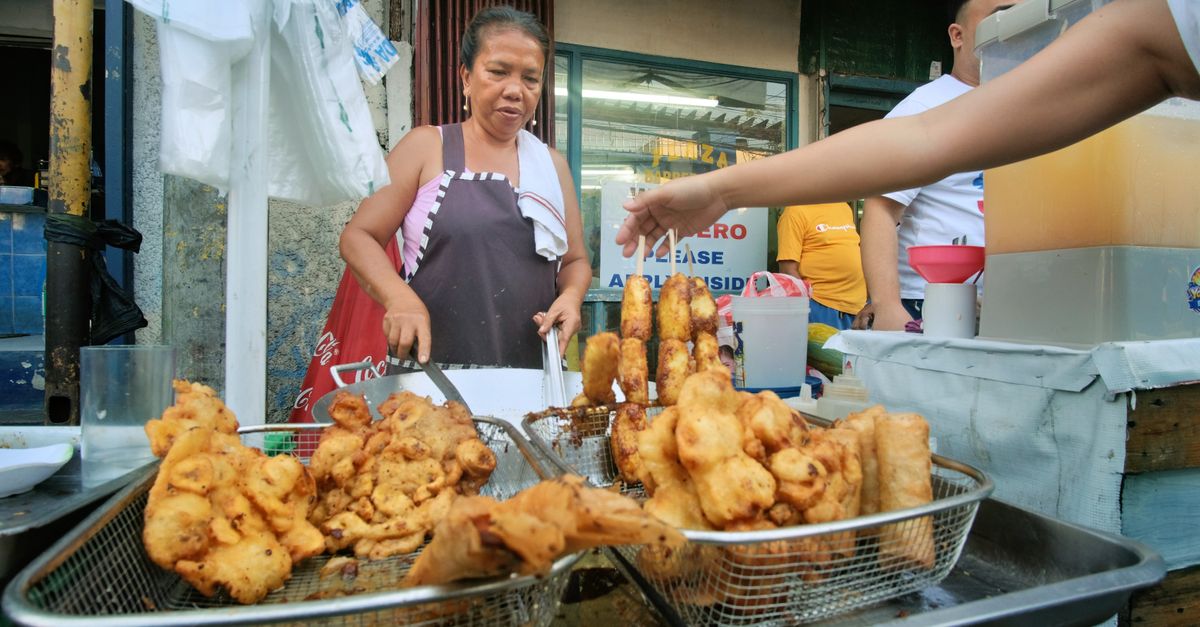
A single warteg makes its money in coins. A plate of rice, tempe, and sayur clears a few thousand rupiah in profit, and a busy day stacks those coins into rent, gas, and the trip back to Tegal. Then BPJS Kesehatan asks for a monthly premium per person in the household, and one payment wipes out an entire day of that stacking.
So owners around Jakarta stopped paying alone. They pool receipts across a cluster of stalls, hit the contribution level as a group, and split the load so no single kitchen loses a full day to the health card.
The math that forces the workaround
BPJS charges informal workers a fixed monthly premium per family member. A warteg family of four owes four premiums whether or not anyone got sick that month. For a stall running on thin daily margin, that bill is not a rounding error. It is the difference between restocking rice tomorrow and skipping a day.
The premium does not care that income arrives in Rp5,000 increments. It arrives on a schedule, in a lump, and it does not flex when the rain kills foot traffic or when a supplier hikes the price of eggs.
Pooling is the response. A group of owners who already know each other from the same supplier runs, the same paguyuban, the same block, agree to cover the enrollment together. One person fronts, the receipts settle it, and the card stays active.
What the pool actually buys
The card matters because a hospital admission ends a warteg. Without coverage, one appendix or one motorbike crash means selling the cart, borrowing at loan-shark rates, or closing. BPJS is the wall between a bad week and a permanent shutdown.
The pooling arrangement keeps that wall standing. It does not fix the design that treats a rice-plate business the same as a salaried office worker with automatic payroll deduction. Salaried people never see the premium leave their hands. Warteg owners feel every rupiah of it.
Informal work, formal bill
Indonesia wants universal coverage, and it counts the warteg owner as an independent member who must self-enroll and self-pay. The design assumes a person with steady cash flow and a bank habit. The reality is a cash box, a notebook, and margins that live and die by the day.
Pooling exposes the gap. People running the country's most informal kitchens are using informal trust networks to satisfy a formal state requirement, because the formal requirement was never built for how their money moves.
The arrangement holds as long as the block stays friendly and the receipts keep coming. It breaks the moment one stall closes, one owner falls behind, or the group loses a member who was carrying more than their share. When that happens, the coverage lapses, and the next hospital bill lands on whoever was left holding the card.