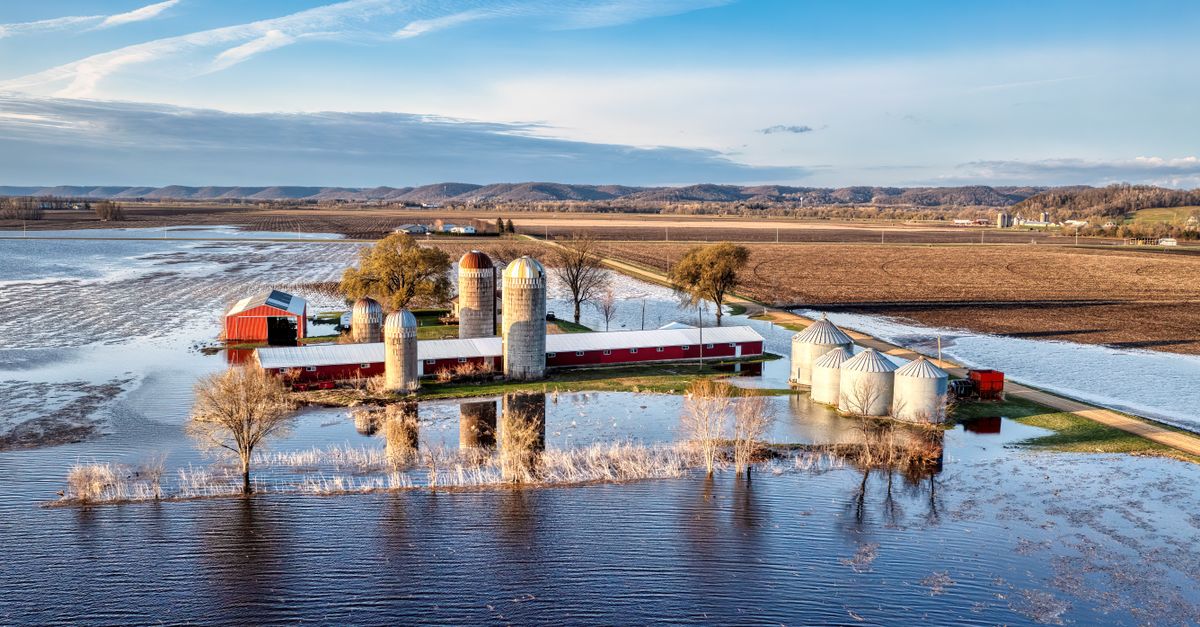
Tuvaluan Families Land in Cebu With No Housing Code Written for Them
A bilateral climate pilot is bringing Pacific Islander families to the Visayas. DHSUD's playbook still assumes everyone in the queue holds a Philippine passport.

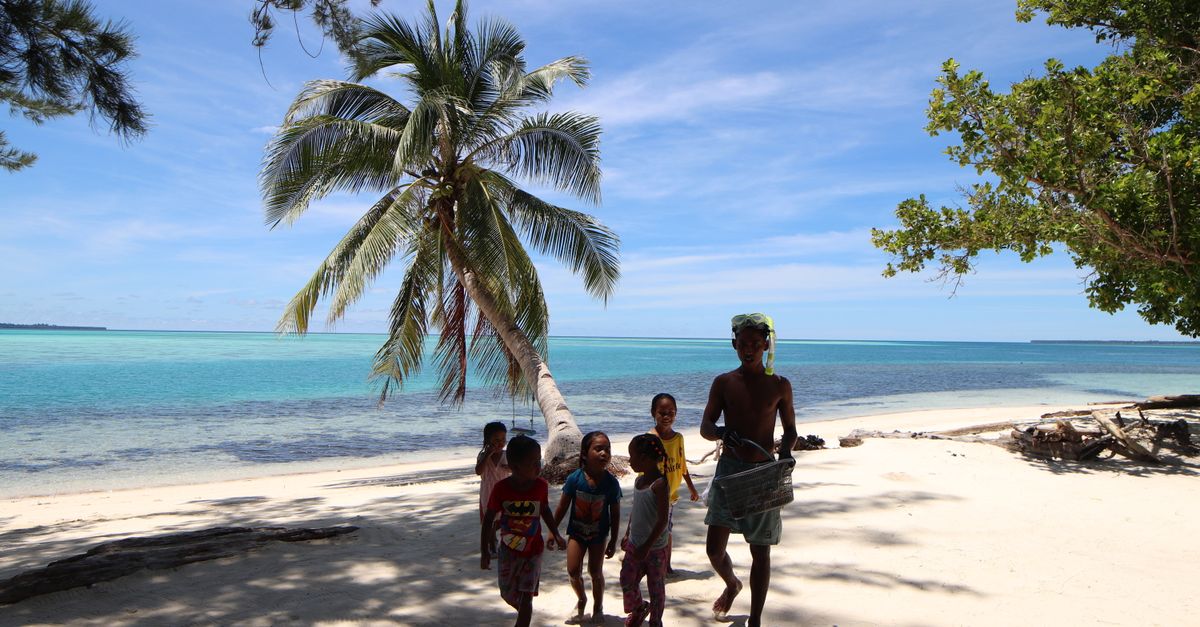
A small group of Tuvaluan families is arriving in Cebu under a bilateral pilot that nobody at the housing department seems to have a folder for. The arrangement, worked out between Funafuti and Manila, sits among the first concrete climate-migration pathways in the region. The receiving end is improvising.
Tuvalu's land is going under. Australia's Falepili Union already opened a yearly visa lane for 280 Tuvaluans. The Philippine pilot is smaller, framed as Pacific solidarity, and routed through Cebu because of existing church networks and a Visayan diaspora that has hosted Pacific seafarers for decades.
The housing template doesn't exist
DHSUD runs its socialized housing through frameworks built for Filipino beneficiaries: Pag-IBIG membership, NHA relocation rolls, CMP community mortgage. Every form assumes a TIN, a barangay clearance, and a citizenship line that reads Filipino.
Tuvaluan arrivals don't fit any of those boxes. They are not refugees under the 1951 Convention because climate displacement still has no binding legal category. They are not OFWs in reverse. They are not balikbayans. They are people whose visa class Philippine agencies have not finished categorizing.
Without a DHSUD slot, climate arrivals get routed into whatever ad hoc arrangement a host LGU, a parish, or an NGO can put together. That is not a housing program. That is a favor that expires.
Cebu was chosen before Cebu was asked
Local officials in host barangays tend to learn about pilots like this through informal channels rather than through DHSUD or DILG circulars. Mactan's rental market is already strained by Korean retirees on SRRV bundles and Fil-Am roots-trippers parked in Lahug condos. Adding climate arrivals without a unit allocation, a utility subsidy, or a school enrollment pathway pushes the cost onto the same Cebuano renters already priced out of the metro.
The Department of Education has no enrollment code for Tuvaluan minors. PhilHealth has no premium category for them. The kids speak Tuvaluan and English. The classroom runs in Bisaya and Filipino. Somebody in the principal's office is figuring it out on a Tuesday.
Tacloban already showed the failure mode
Filipino climate migrants from Yolanda were moved inland to sites that flood every habagat. That was a domestic resettlement with NHA money, a DHSUD template, and 12 years of paperwork. It still went wrong.
A non-Filipino arrival has none of that scaffolding. If interim funding runs out in 18 months, Tuvaluan families have no legal claim to a Pag-IBIG slot, no priority on NHA lists, no eligibility for AICS cash aid. The pilot was signed at the foreign affairs level. The cost of failure lands on a Cebu barangay captain and a Tuvaluan mother who already lost one home to the sea.
What Manila owes before the next plane lands
A bilateral climate visa without a housing code is a press release with a runway. DHSUD needs a unit category for non-Filipino climate arrivals before the next cohort boards. DepEd needs an enrollment memo. PhilHealth needs a premium class. The barangays hosting the families need a line item, not a thank-you letter.
Tuvaluan kids will sit in Cebuano classrooms soon enough. Whatever lease covers them runs out before the school year does.