Tacloban Families Were Moved Inland After Yolanda. The New Site Floods Every Habagat.
More than twelve years after the storm surge, resettled households in northern Tacloban are knee-deep in habagat water and being asked to relocate again.


More than twelve years after Yolanda swept the coastline of Eastern Visayas, the families pulled out of the no-build zone in Tacloban are packing up again. The resettlement sites in the northern barangays, the ones built to keep them safe, take on water every habagat season. Some lots have flooded so often that residents stack cinderblocks under their refrigerators by default.
The promise was simple. Move inland, away from the storm surge corridor, and the government would hand over a permanent house on titled land. What arrived instead were row houses on low-lying ground, drainage canals that clog by July, and a commute back to the city that eats a day's earnings.
The site was never dry to begin with
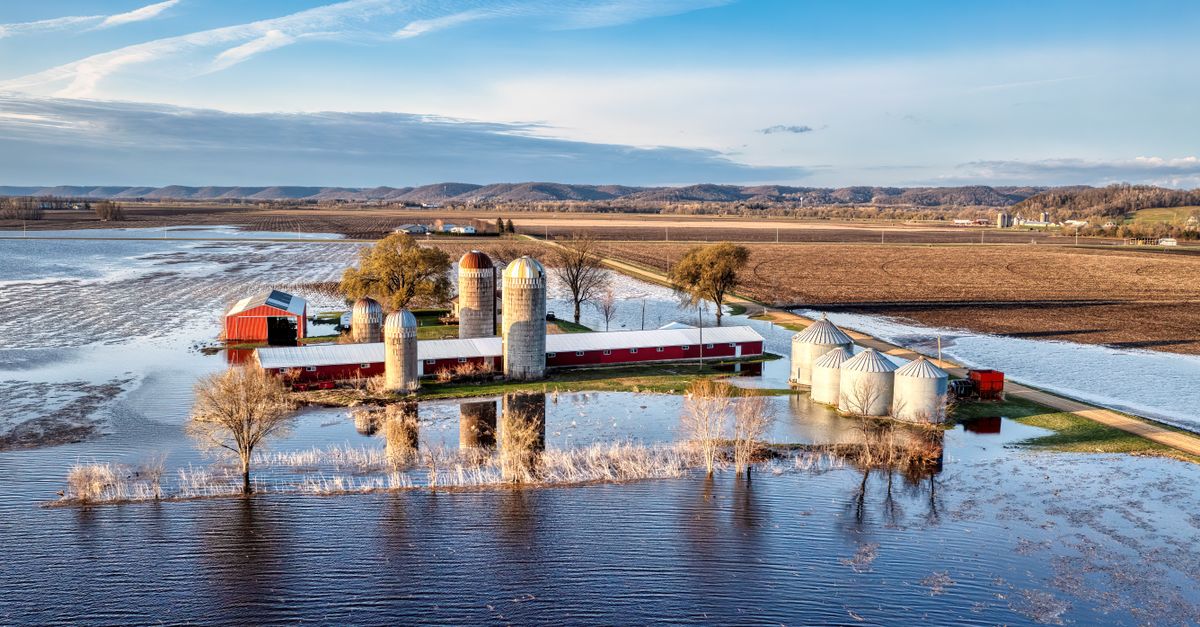
Residents in the northern resettlement clusters have been telling reporters and barangay officials the same thing since the units were turned over. The land pools water. The roads turn to mud. Habagat rains, the southwest monsoon stretch from June through September, leave standing water inside houses for days.
Engineers who reviewed the master plan after handover flagged elevation and drainage early. Advocacy groups working with Yolanda survivors have documented repeat flooding across multiple sites managed by the National Housing Authority and partner NGOs. The pattern is consistent enough that calling it a one-off weather event no longer holds.
Now local officials are floating another round of relocation. Move again, to higher ground further from the city, while the units already paid for sit half-empty during the rainy months.
What relocation costs a household
Every move resets a family's economy. The tricycle driver loses his route. The laundrywoman loses her clients. The kid transfers schools again and the DepEd paperwork follows three months late. The household budget absorbs new fare, new rent for a market stall, new connection fees for Meralco and the water district.
Families who took out Pag-IBIG amortizations on the resettlement units are still paying for houses they cannot live in five months of the year. Some have quietly returned to the coast, rebuilding shanties inside the 40-meter no-build zone the Tacloban City Council enacted by ordinance in December 2013, consistent with the Philippine Water Code provision that already barred structures within 40 meters of the shoreline. The choice is not stubbornness. It is arithmetic.
Climate adaptation as a paperwork problem
Tacloban's experience is the template for what climate migration looks like in the Philippines. A disaster hits. Agencies relocate the displaced to land that was cheap because it was bad. The hazard maps catch up later. By the time the second relocation is announced, the household has already absorbed the cost of the first.
The Climate Change Commission and the DHSUD have language about resilient resettlement in every briefing deck. On the ground in Eastern Visayas, that language has not stopped a single barangay from flooding this June.
The families in northern Tacloban are not asking for another consultation. They are asking who pays for the truck this time, whether the new lot has a working pump, and whether the title will arrive before the next storm. The answers from the agency desks are the same answers they got a decade ago. The water in the living room is new.