The Warteg Kitchen Cooks for a Brand That Only Lives on GoFood
Jakarta and Bandung stall owners rent their stoves by the hour to delivery-only labels they never meet, while the app takes a cut of a menu that has no dining room.


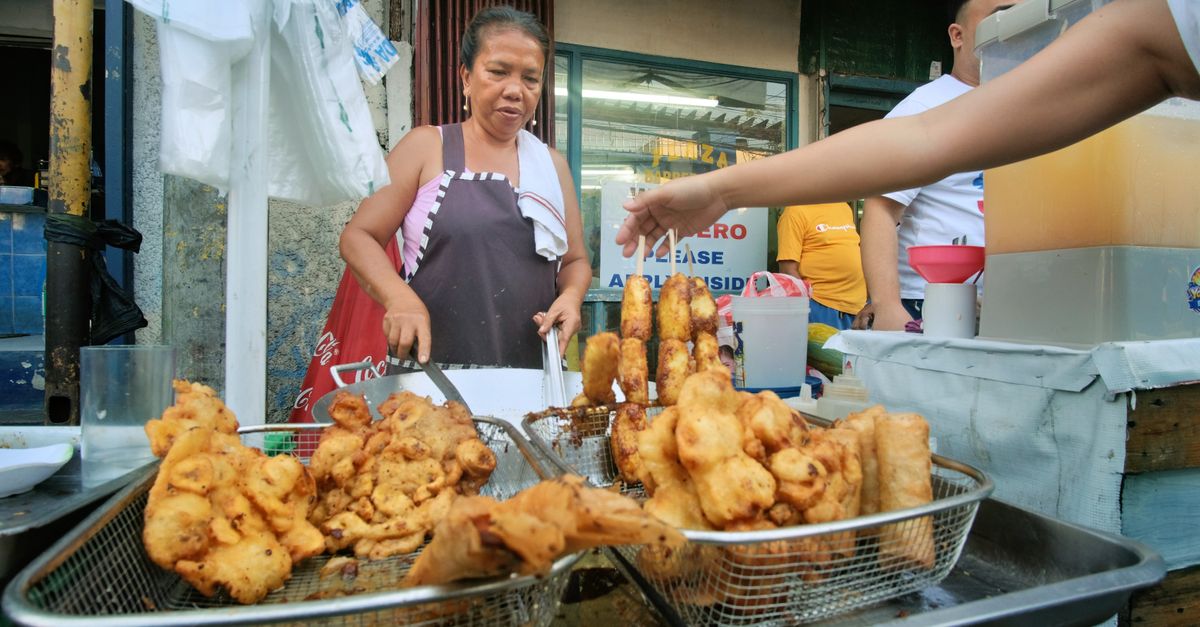
A warteg owner in Bandung fries the same tempe she has cooked for years. The order slip on her phone carries a name she has never heard, for a brand with no signboard, no chairs, no address anyone can walk into.
She rents her kitchen by the hour. The label placing the order exists only inside GoFood. The platform pockets a commission on food that has no dining room, no cook credited by name, and no owner she will ever shake hands with.
The ghost sits on top of a real stove
Cloud kitchens sell themselves as opportunity. A stall with idle burners in the off-peak hours signs up, and a brand studio somewhere fills those hours with virtual menus. Nasi goreng under one name at noon, ayam geprek under another by four, all cooked on the same range in the same cramped space off a gang in Kelapa Gading or Dago.
The warteg owner sees a fixed fee or an hourly rate. The brand keeps the customer, the ratings, the repeat orders, and the pricing power. When a menu underperforms, the studio kills it and spins up a new one overnight. The kitchen keeps cooking whatever lands next.
None of this shows up as employment. The owner is a vendor to a vendor. The rider is a partner. The customer thinks they ordered from a restaurant.
Three cuts on one plate of rice
Follow the money on a single order. The customer pays a menu price marked up for delivery. GoFood takes its commission. The brand studio takes its margin for owning the listing. What reaches the person who actually cooked the food is the thinnest slice on the plate.
Platform operators frame the arrangement as filling empty capacity. In practice, the stall absorbs the gas, the cleaning, the wear on equipment, and the risk that the hourly booking dries up when a virtual brand flops. The studio carries almost no fixed cost. It rents someone else's kitchen and someone else's labor and keeps the brand.
The data flows one direction too. The studio knows which items sell, in which neighborhoods, at which hours. The owner knows only what her phone told her to fry that shift.
What the owner is actually renting out
This is the small business survival trap dressed as a side income. A warteg is a family operation, decades of recipes, a spot in the neighborhood people trust. Sign it into a ghost-brand rotation and the trust gets rented out to a name that vanishes the moment the numbers dip.
Indonesia's food delivery apps have spent years training warung and warteg owners to see the platform as their storefront. The ghost kitchen is the next step, where the platform stops needing your name at all. It needs your stove, your hands, and a slot on a schedule it controls.
The owner in Bandung will fry another order tomorrow for a brand that shuts down by Friday. The hourly fee clears to her wallet. The commission clears to Gojek. The margin clears to a studio she has never met, on a menu that was never real to begin with.