The QR Code the Supplier Insisted On Is the Same One BIR Reads Back
Manila and Cebu carinderia owners took GCash and Maya to keep suppliers and mall landlords happy. The digital trail landed them on BIR's radar and the fees on their margins.


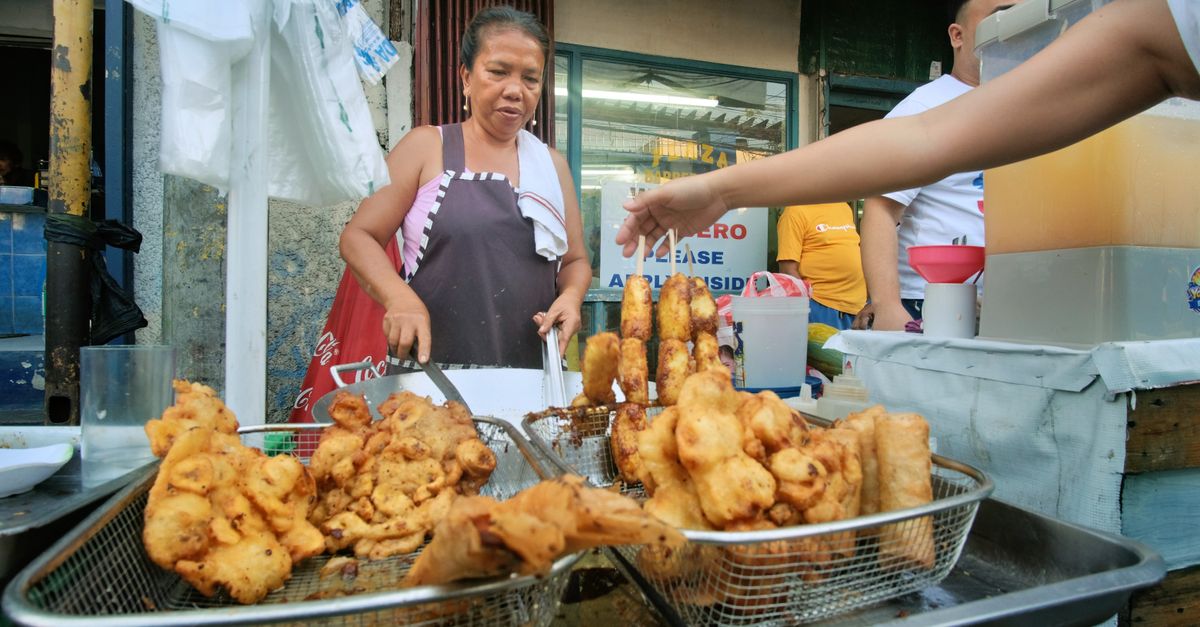
The rice supplier stopped taking cash in April. The mall landlord wrote QR acceptance into the stall lease. The delivery rider only carries a phone. A carinderia owner in Manila or Cebu who wanted to keep buying, keep selling, and keep the stall did the only thing left: taped a GCash and Maya QR code next to the register.
That code does two things at once. It moves the money. It also writes down every peso, forever, in a ledger the owner does not control.
The cash economy was the buffer
Carinderias ran on cash for a reason. A ₱45 plate, a ₱12 rice, a ₱20 soft drink, none of it left a trail. The margin was thin but the tax exposure was thinner, because nobody could prove how many plates went out the door on a Tuesday.
That buffer is gone the moment payment goes digital. Every transaction sits in a wallet history. Every settlement hits a bank account with a name attached. The Bureau of Internal Revenue has spent the last few years leaning on payment platforms to surface exactly this kind of activity, and small food stalls are the easiest catch in the net.
Owners who never registered, or who registered as tiny and stayed quiet, are getting letters. The income the cash never recorded is the income the QR code recorded in full.
The fee eats what the tax does not
Then there is the cut. Digital wallet transactions carry processing fees that run to roughly 3 percent on many small-merchant setups, and on a business where a plate nets a few pesos over cost, 3 percent is not rounding. It is the difference between covering the LPG refill and not.
A cash sale of ₱45 was ₱45. The same sale through QR lands as something less, after the platform takes its slice. Multiply that across every plate, every day, and the owner is paying to be paid, on food priced for people who count their coins.
Suppliers pushed the shift because it settles their receivables faster. Landlords pushed it because it feeds their own reporting. The rider carries no cash because the fleet decided so. None of them absorb the fee or the tax. That travels straight down to the person cooking the adobo.
Nobody offered the owner a choice
The pitch was convenience. What arrived was a compliance burden and a margin cut, handed to the smallest player in the chain, on the promise that going digital was progress.
Formalizing the informal economy is a real goal, and there are arguments for it. Owners who register can access loans and issue receipts and stop hiding. But the current version dumps the transition cost on the carinderia and keeps the timing brutal: the reporting caught up before any relief did.
Small business advocates have flagged the mismatch for a while. The 8 percent flat income tax option and the barangay micro business exemptions exist on paper. Reaching them takes registration, bookkeeping, and time a two-burner operation running open-to-close does not have.
So the code stays taped by the register, because the supplier will not sell rice for cash and the lease says it must. The owner pays the fee to move the money, pays the tax on the money the code recorded, and prices a plate at ₱50 now instead of ₱45, hoping the manong who eats there every noon does not walk to the stall next door.