Sulu Families Were Told to Move Inland. The Resettlement Money Ran Out Two Typhoons Ago.
Coastal communities in Sulu are being relocated to inland Mindanao with no fishing grounds, no livelihood plan, and a budget that dried up before the last storm season ended.

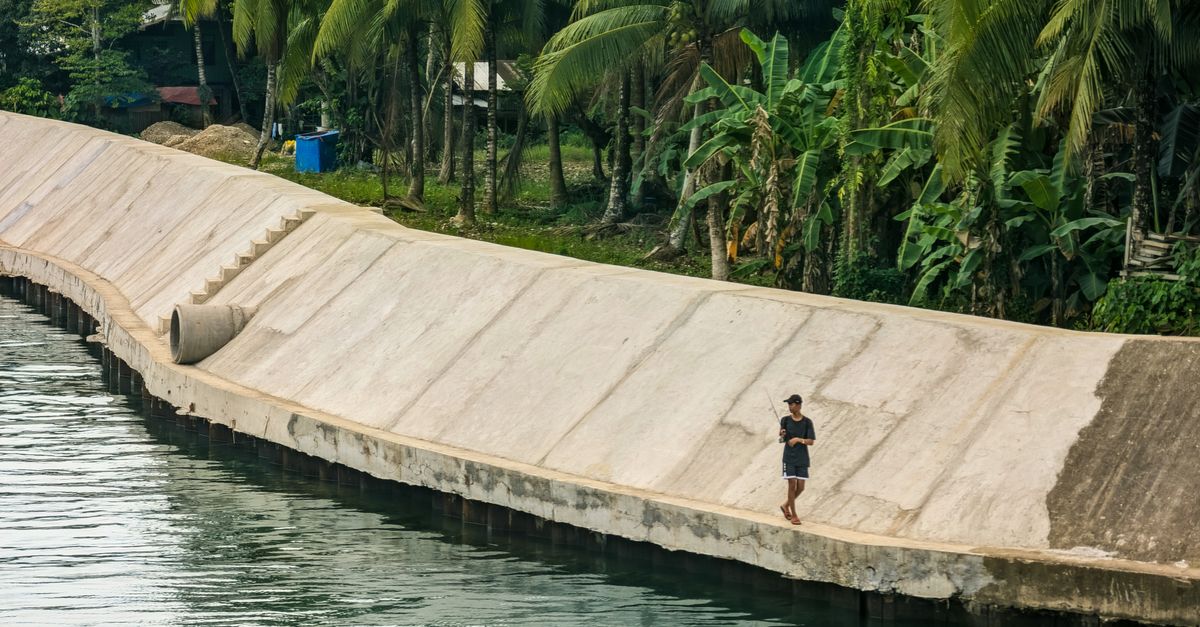
The instruction sounds simple on paper. Move the families away from the eroding coastline. Settle them somewhere safer, further inland, away from the next storm surge. Local officials in Sulu have been giving versions of this advice for years, especially after each major typhoon claws another meter of shoreline back into the sea.
The problem is what happens when a family that has fished for four generations gets dropped two hours from saltwater.
The relocation map ignores the income map
The proposed sites are inland: hilly barangays in mainland Mindanao, far from any fishing ground a pump boat can reach in a day. Resettlement planners call this safer. Families call it unemployment with extra steps.
Fishing is not a hobby you carry inland. The boat, the net, the fuel, the buyer at the port, the ice supplier, the neighbor who lends you ₱200 when the catch is bad: all of it lives at the coast. Move the family 80 kilometers up a provincial road and the whole economy stays behind.
What replaces it? Officials gesture toward livelihood training. Sewing. Sari-sari stores. A few hectares of land that nobody in the household knows how to farm.
The budget ran out before the storms did
Resettlement funding for displaced coastal families in BARMM and surrounding provinces was thin to begin with. After the last two major typhoon cycles, much of it was redirected to emergency shelter, food packs, and tarpaulin roofs that were supposed to last six weeks and are entering their second year.
By the time families are formally told to relocate, the line item meant to pay for their relocation has already been spent on keeping them alive in the meantime. Local officials acknowledge the gap. Donors acknowledge the gap. Nobody is filling it.
So the families wait. Some go back to the same eroding coast between storms because the alternative is a tent in a school gym 50 kilometers away. Some accept the inland plot, sit on it for three months, and quietly return to the sea because there is no work and no food where they were sent.
What 'voluntary relocation' actually means
The official language is careful. Nobody is being forced. Families are being offered the option to move, with assistance, on a timeline that respects their decision-making.
In practice, the offer is this: stay where the next storm will probably take your house, or move to a place where you cannot earn. Both options are framed as choices. Neither is funded.
Sama, Tausug, and Badjao households have been moving along these coasts for centuries, following fish, weather, and trade. Climate displacement is not new to them. What is new is being told the move is permanent, the destination is fixed by a government office, and the help promised at the start of the program is no longer in the budget.
The fisherfolk groups documenting these cases have a short list of asks. Pay the resettlement allowances that were already approved. Build the new sites within reach of a coastline. Count the families who left and the families who came back. Right now, the spreadsheet ends at the storm before last.