Baseco Families Signed for Bulacan Lots the Contract Calls Flood-Prone
DHSUD's relocation deed pushes the drainage risk onto the tenant. The lots that flooded in 2024 are the same ones being handed to Manila's coastal poor in 2026.


Baseco relocatees moving to Bulacan New Town this quarter are signing deeds of conditional sale where the phrase "flood-prone" sits inside the tenant covenants, not the developer warranties. The lots in question flooded in 2024. The keys are being handed over in 2026 anyway.
The bargain is simple on paper. Families cleared from Baseco's shoreline for the Manila Bay reclamation footprint get a row unit in Bulacan, amortized through Pag-IBIG at rates the housing agency calls socialized. The bargain on the ground is that the coastal poor are being moved off one flood to sit on top of another.
What the contract shifts
Relocation deeds circulating among Baseco community organizers this year carry standard DHSUD language on unit condition, but the drainage clause is where the risk gets reassigned. The buyer accepts the property "as is," acknowledges the site's flood exposure, and waives claims against the developer for water damage tied to weather events. Elevation, backfill, and subdivision drainage were the developer's responsibility during construction. After turnover, ponding is the homeowner's.
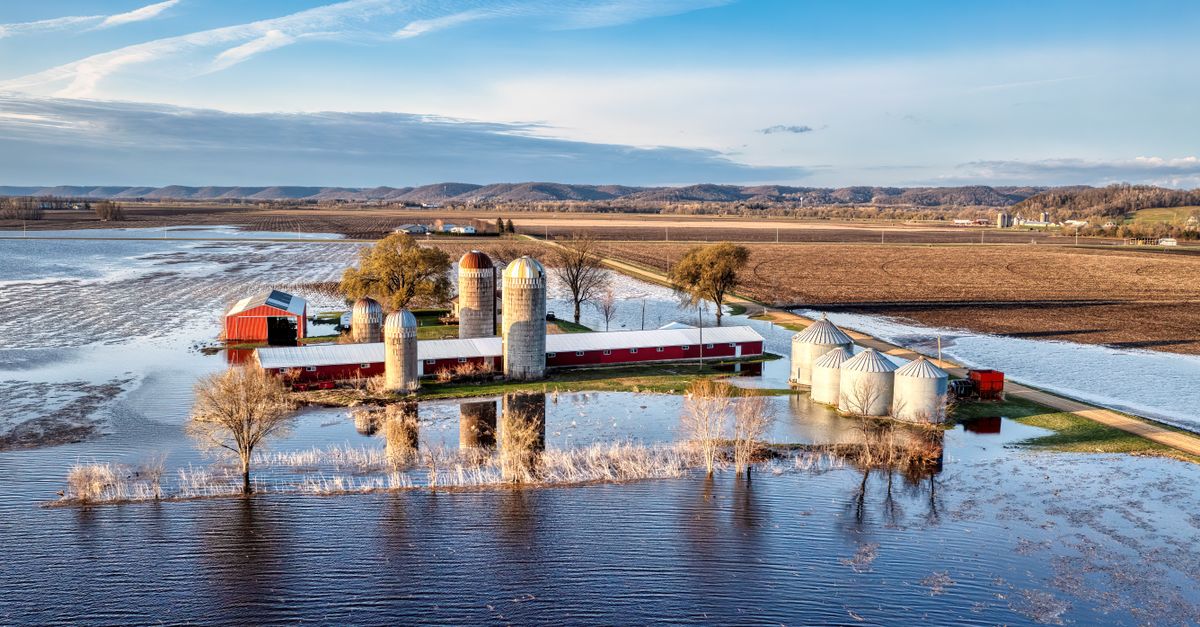
That reassignment matters because the subdivision is on ground that documented itself in 2024. Residents and organizers say finished units in the same masterplan took on floodwater during last year's rainy season. The developer has since raised road grades in some phases. The house pads did not move.
Who signs anyway
Baseco households are signing because the alternative is a demolition notice with no forwarding address. Rental subsidy under the current relocation program runs for a limited window, and families who refuse the Bulacan unit lose their slot on the master list. Community organizers describe the choice in the terms it actually arrives in: sign the flood clause, or lose the housing entirely.
The commute back to Manila for informal-sector work eats a third of a day's earnings. Water connections in some phases still route through communal tap stands. The nearest public high school is a jeepney and a tricycle away. None of this is in the deed. The flood clause is.
The paper trail nobody wants to read
Relocation contracts in the Philippines have carried some version of an "as is" clause for years. What changed with the Manila Bay clearances is scale and site selection. Housing agencies are moving whole coastal barangays inland to subdivisions built on former fishponds and low-lying agricultural land in Bulacan, Cavite, and Rizal. The engineering assumption is that fill and drainage will hold. The 2024 rainy season said otherwise for parts of the same corridor.
Advocacy groups working with relocatees have pushed for stronger developer warranties on drainage after turnover and clearer language on who carries the flood risk. So far, the flood clause in the tenant covenants is what households are being asked to sign.
A family that lost a house to Manila Bay reclamation now owes decades of amortization on a lot that floods, under a deed that says the water is theirs to manage. The relocation is complete on the government spreadsheet. The receipts are with the household.