
Singapore VCs Will Wire the Series A. The Term Sheet Wants Your HQ in Raffles Place First.
Manila fintech founders are getting checks again after a two-year freeze, but the money comes with a flag transplant most can't afford to refuse.

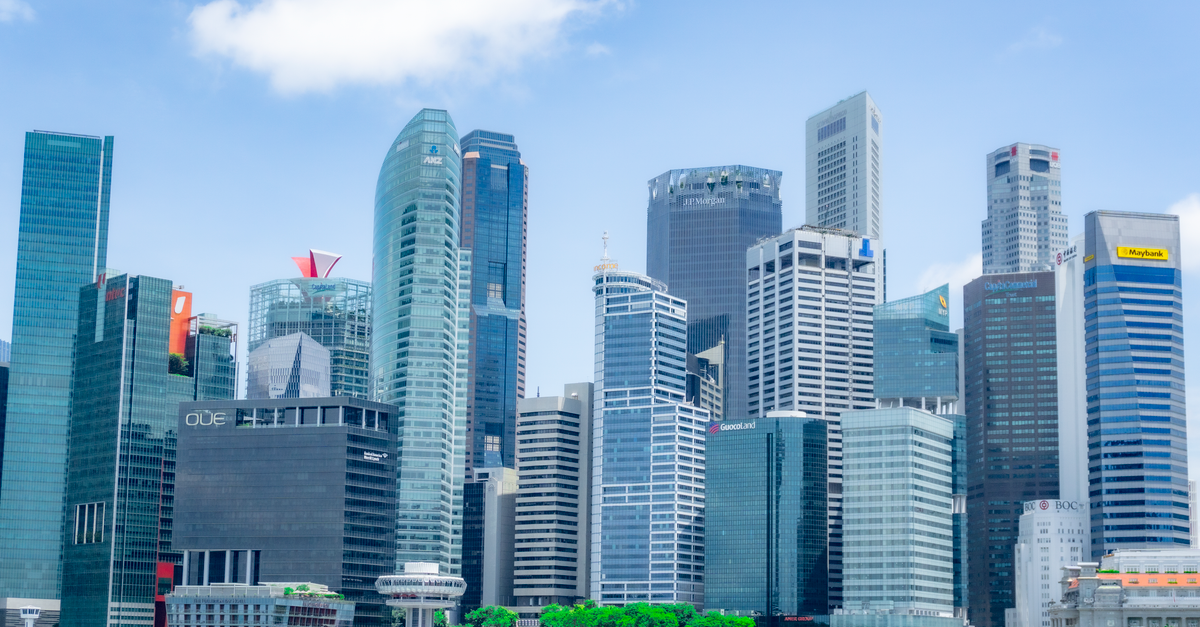
The Singapore money is back at Manila fintech demo days, and the founders walking out with term sheets are realizing the offer comes attached to a moving truck. After almost two years of a regional funding freeze, investors based out of Raffles Place and Cecil Street are writing checks into Philippine payments, lending, and remittance startups again, but the conditions on the page have hardened in a way nobody is putting on LinkedIn.
The new ask is structural: relocate the holding company to Singapore before the Series A closes, or the round does not close. Manila stays as the operating subsidiary, the engineers and ops team keep their Pasig and BGC desks, but the cap table, the IP, and the board meetings move south.
What the term sheet actually says
Founders describe a familiar template arriving in their inboxes. The lead investor wants a Singapore Pte Ltd at the top of the structure, with the Philippine entity converted into a wholly-owned subsidiary, and the founders' shares reissued under Singapore law before the wire hits.
The justification given in the calls is always some mix of the same three things: cleaner exit optics for a future acquirer, easier follow-on rounds from funds that cannot deploy into Philippine-domiciled companies, and a tax regime that does not punish a stock-based earnout. None of that is a lie. It also is not the whole story.
Why this freeze ended on Singapore's terms
Regional venture capital did not pause in 2024 because founders got worse. It paused because LPs got nervous, valuations from the 2021 bubble had to be written down, and the funds that survived spent eighteen months sitting on dry powder. When that powder started moving again, it moved through the jurisdiction the LPs already trust, and Singapore wrote the rules of that trust a decade ago.
So the capital that reaches a Makati founder is filtered through a Singapore mandate, which means the term sheet is filtered through it too. The founder who refuses the flip gets a polite pass, and the founder behind her who agrees gets the check.
What Manila keeps and what it loses
The jobs mostly stay. Manila keeps the engineering payroll, the compliance team that knows the BSP circulars by heart, and the customer support floor that actually speaks to riders, sari-sari owners, and OFW remitters. That is real, and it is not nothing.
What leaves is the part that compounds. Future capital gains on an exit accrue to a Singapore parent, taxed under Singapore rules. The board seat that decides whether to expand into Mindanao or pivot to Vietnam sits in a Shenton Way conference room. The local angels who took the pre-seed risk get diluted into a structure their accountants in Quezon City have to outsource to read.
The choice founders are actually making
Plenty of founders are signing. Refusing the flip in 2026 means watching a competitor take the round, hire away your senior engineer with an SGD-denominated offer, and out-market you on a runway you no longer have. The math is brutal and the math is the point.
What is missing is any Philippine policy answer that makes staying domiciled here competitive. The PEZA incentives were built for BPO floors, not for a fintech holdco. Until that changes, the term sheet will keep arriving with the same clause, the founders will keep initialing it, and the upside on the next Philippine payments unicorn will be booked in a country that did not build it.


