
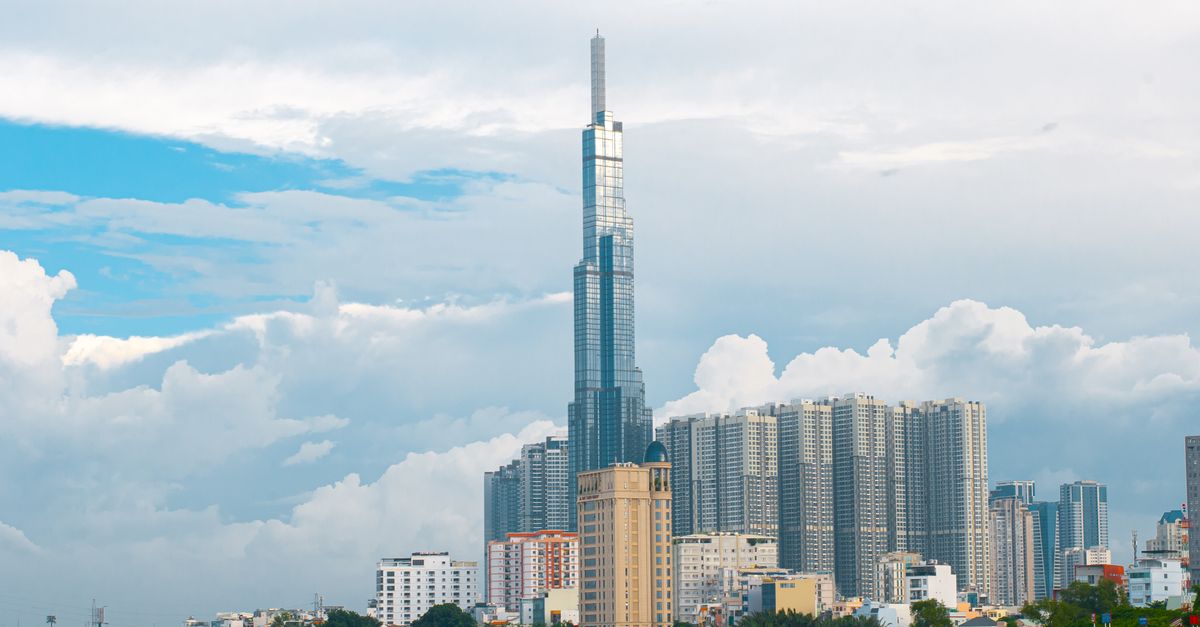
Ho Chi Minh Accelerators Out-Pay Manila Health-Tech Series A's in Dong
Vietnamese accelerator stipends now beat what Manila health-tech founders can pay senior engineers after a Series A. The talent is already booking one-way flights.

The pitch arrives in a LinkedIn DM, in English, with a calendar link attached. A Ho Chi Minh City accelerator wants a Manila-based senior engineer for a six-month residency, stipend paid in Vietnamese dong, housing covered, equity on the table. Run the conversion and the monthly figure clears what a Series A health-tech startup in BGC is paying its tech lead after two years of grinding through Department of Health pilot programs.
Manila founders building telemedicine, claims automation, and clinic SaaS have spent 2025 and 2026 watching this happen in real time, and the people leaving are not junior. They are the backend engineers who learned PhilHealth's eClaims quirks the hard way, the product managers who can read a DOH Administrative Order without crying, the compliance leads who know which HMOs actually pay on time.
Why the dong math works
Vietnamese accelerators and their Singapore and Korean LPs have been pricing aggressively for regional health-tech talent, and the State Bank of Vietnam's managed currency band gives stipends a stability that peso-denominated offers cannot match month to month. Add Ho Chi Minh City's lower rent, a younger and faster-moving regulatory environment for digital health, and the fact that District 2 is full of returnee Viet Kieu founders hiring in English, and the relocation pitch writes itself.
Manila founders cannot counter on cash. A Philippine health-tech Series A in 2026 is typically raising between two and six million US dollars on a valuation that already assumes BSP-regulated payment rails, a slow PhilHealth integration cycle, and HMO contracts that take eighteen months to close. The runway math forces founders to underpay senior engineers, then watch them leave for a Ho Chi Minh stipend that is, on paper, temporary.
What the founders are actually doing about it
Some are restructuring as Singapore holding companies with Vietnamese subsidiaries, then hiring the same engineer back as a remote contractor billed through the SG entity. Others are quietly raising bridge rounds to fund retention bonuses, which means less money for the clinic onboarding that was the whole point of the Series A. A few have given up on the health vertical entirely and pivoted to fintech, where Singapore VCs at least understand the unit economics.
The Philippine Startup Development Program and DOST grants are not designed to compete with a regional talent war. The Innovative Startup Act gives founders tax perks and PEZA pathways, but no instrument that lets a pre-profit health-tech startup match a foreign accelerator's monthly cash offer to a single engineer. DOH, for its part, is still issuing circulars about telemedicine reimbursement that were drafted in the pandemic.
The vertical Manila keeps losing
Filipino health-tech founders chose the hardest possible market: a fragmented HMO landscape, a state insurer that pays in arrears, hospitals that still fax referrals, and a regulator that treats software like a medical device. The engineers who learned to ship inside that mess are the ones Ho Chi Minh wants, because the playbook transfers and the dong stretches.
The founders staying behind are eating the cost twice, once in the bridge round they did not plan to raise, and again in the eighteenth-month PhilHealth integration that now has to be rebuilt by whoever is left in the Slack channel.


