Vietnamese Dota 2 Imports Will Bunk in Pasig for Half a Manila Salary
SEA Dota rosters are wage-compressing fast. Manila pros are losing seats to Hanoi imports who accept gaming-house bunk beds and a fraction of the old going rate.


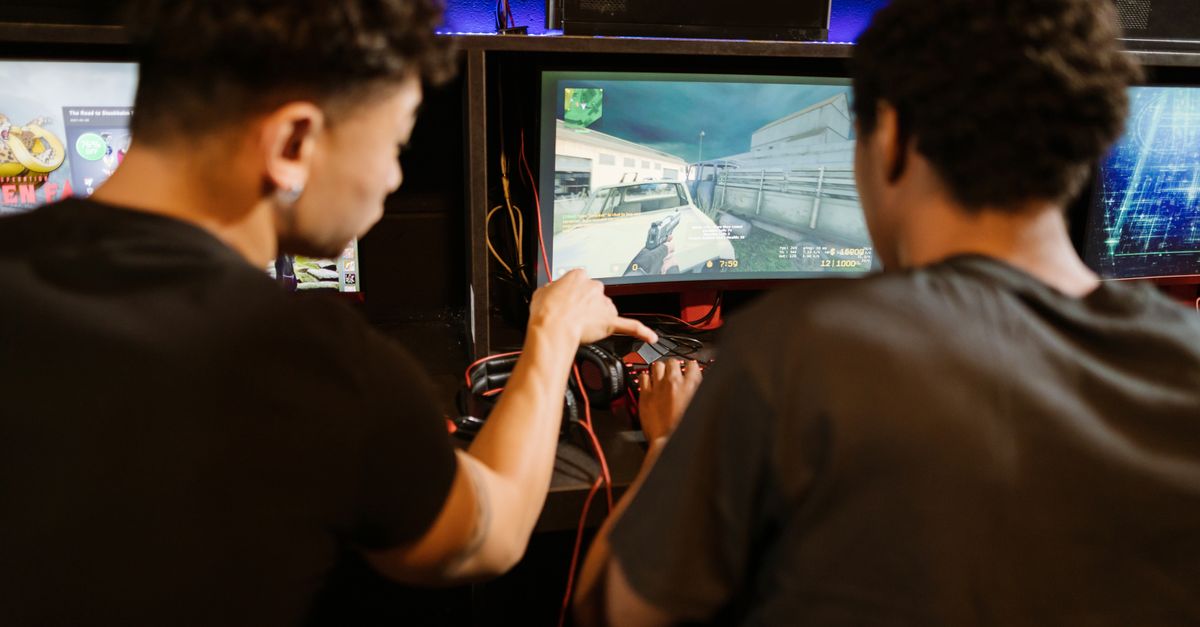
Three Manila Dota 2 players lost their roster spots this season to Vietnamese imports who agreed to live four-to-a-room in a Pasig gaming house and play for roughly half what a local mid-laner used to clear. Their org didn't announce it as a cost cut. They called it a rebuild.
This is the SEA esports labor market in 2026. The talent pool got bigger, the prize pool got smaller, and team owners learned they can pay Hanoi rates inside a Metro Manila bootcamp.
The math the orgs are running
A Filipino tier-2 Dota player used to negotiate a monthly retainer that covered a condo share in Mandaluyong, a girlfriend, and a PhilHealth contribution his manager forgot to file. That ceiling is gone.
Vietnamese imports arrive with a working visa sponsored by the org, no dependents in Manila, and a willingness to sleep in the same room as their support player. Housing, food, and bootcamp PCs get bundled into the contract at cost. The take-home cash drops by 40 to 60 percent and the player still nets more than he would in Hanoi.
For the team owner, the spreadsheet writes itself. Two imports cost less than one local veteran. The roster qualifies for regional leagues either way.
What the contracts actually say
Standard SEA esports contracts have always been brutal. Buyout clauses lock players to orgs for two to three years. Streaming revenue gets split before the player sees a peso. Prize money flows through the org's account first, and the cut depends on whether the manager likes you that week.
The new wrinkle is the housing clause. If the org provides the bunk, the org can deduct it. If you break curfew, you can be fined. If you leave the gaming house, you can be benched. Players who grew up streaming from their bedrooms are signing away the right to choose where they sleep.
Filipino pros pushing back get told there are three Vietnamese players on the bench waiting for the seat. Usually there are.
MPL, PGL, and the floor that keeps dropping
Mobile Legends Professional League salaries in the Philippines have been sliding for two seasons. PGL Wallachia and the Dota circuit pay enough that a championship run still changes a family's life, but the gap between the top three teams and everyone else is a cliff. Tier-2 rosters are running on stipends that wouldn't cover a call center agent's monthly groceries.
Orgs blame Riot, Moonton, and Valve for shrinking regional pools. Players blame orgs for pocketing sponsorship money. Sponsors blame the audience for not buying enough jerseys. Everyone is partly right and nobody is paying rent.
The part nobody puts in the press release
Esports was sold to a generation of Filipino teenagers as a way out. Parents who used to confiscate the mouse started buying tournament tickets. Schools added esports varsity programs. The promise was that if you grinded hard enough, the rank would convert to a salary.
The rank still converts. It just converts to less, and the seat now comes with a roommate from Hanoi who will outwork you on four hours of sleep. The Filipino kid who placed top 200 SEA last year is back to streaming for GCash tips, waiting for the buyout window to open, hoping the next org reads his replay before it reads his nationality.