The Wellness Room Dims the Lights. The Timer Starts the Second You Sit Down.
Manila BPO floors now sell mental health as a perk. The break room clock logs your minutes and hands them straight to your supervisor.


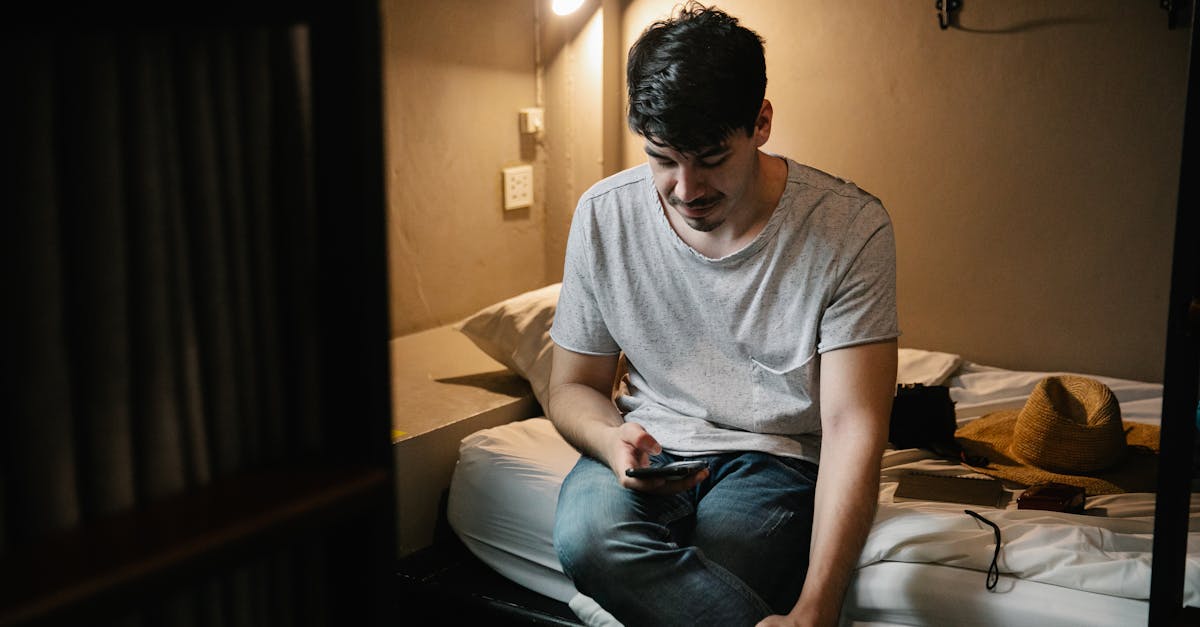
The break room has a soft couch, a lamp instead of ceiling fluorescents, and a small sign about breathing exercises. It also has a badge tap at the door that timestamps your entry and your exit, down to the minute. Ten minutes to decompress after a caller screams at you, and the log knows all ten.
This is the deal now on a lot of Manila floors. The stress got loud enough that companies started building rooms for it. Then they wired the rooms.
A perk that keeps a receipt
The pitch is that mental health matters, that you should take a break when you need one. The catch is that every break sits in a dashboard your team lead can pull up. Occupancy in an eight-hour shift is money, and the wellness room is time off the phones like any other pause.
Agents figure this out fast. You learn that three visits in a week reads as a pattern to whoever runs the numbers, and patterns get you a chat. So the room built to lower your stress becomes another thing to ration, another line item you watch on yourself before anyone else does.
Workers describe the same quiet math across floors. You need the break, but you also need your metrics clean, so you skip it and grind through the shake in your hands. The perk exists. Using it costs you standing.
Care that reports upward
The industry loves the language of well-being. Company decks talk about resilience and support. Very few of those decks mention that the support tool logs your name, your minutes, and your frequency, and that the log answers to operations, not to you.
Some sites bundle the room with a counselor you can book. That booking runs through HR systems too. Advocacy groups have flagged for years that mental health at work only helps when the disclosure stays private, and a badge tap is the opposite of private.
The Mental Health Act was supposed to push workplaces toward real support. On the floor, support arrived as furniture with a sensor. The couch is genuine. The surveillance riding on it is genuine too.
What the log actually measures
Here is the part nobody puts in the onboarding slides. The room does not track whether you feel better. It tracks how long you were gone and how often. That number can feed a coaching session, a performance note, a reason to question your commitment.
So the same tool sold as care becomes evidence. You went to calm down, and the calming got filed against your attendance.
An agent who needs the room most is the one it punishes hardest, because heavy use shows up as a red flag rather than a person under strain. The bargain was rest without a price. The price is a timestamp your supervisor can read tomorrow.