
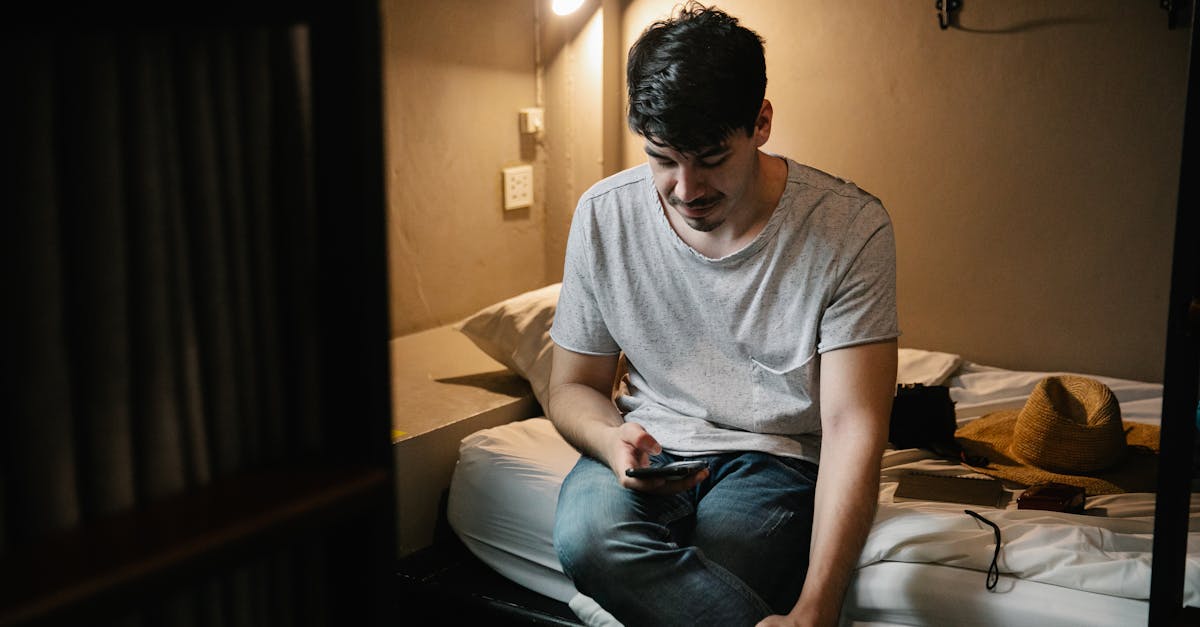
Her Dad Wires Tuition From Jeddah. The Panic Attack at 2 A.M. Gets a Discord Ping Instead.
Therapy waitlists in Cebu run months and HMO mental-health coverage dies after a handful of sessions. The OFW kids hold each other up in voice channels.

When the panic hits at 2 A.M., you don't call the guidance office. You open Discord, drop into a voice channel, and someone you've never met in person talks you down until your breathing slows.
This is how a lot of OFW dependents in Cebu manage now. The money for school comes from Jeddah, Riyadh, Dubai. The person who could sit with you through a breakdown is five time zones away, and a long flight from home. When it's 2 A.M. in Cebu, it's 9 P.M. the night before in Jeddah.
The waitlist outlasts the crisis
Book a counseling slot through a university clinic and you're looking at months before a first session. Private therapists in the city have openings, but the rate per hour runs more than a week of a dependent's allowance. The crisis doesn't schedule itself around availability.
HMO coverage is supposed to be the backstop. In practice, mental-health benefits cap out fast. A handful of sessions, sometimes a fixed peso ceiling, and then you're paying out of pocket or you stop going. Advocacy groups have flagged this gap for years: the policy covers the diagnosis, not the recovery.
So the recovery moves to a group chat. A pinned message with breathing exercises. A thread for "vent here, no advice unless asked." Someone with a psych background who answers when they can, for free, because no one else is answering.
Remittance pays the bill, not the therapist
The arrangement looks stable on paper. Tuition cleared, rent paid, laptop bought. The parent abroad sends proof of love in pesos every month and assumes the kid is fine because the receipts say so.
What the receipts don't log is the dependent carrying their own panic alone, then carrying two or three friends through theirs. The emotional work gets split across a server because the system priced it out of a clinic.
The Mental Health Act promised services down to the community level. The funding to staff them never fully followed. School counselors handle hundreds of students each. Public facilities concentrate in a few sites, and the referral you get often lands you a November appointment for an October breakdown.
The Discord servers aren't a solution anyone chose. They're what's left when the clinic is full, the HMO is tapped, and the person paying for everything is a plane ride away.
What the setup actually asks of them
There's a quiet skill these students have built: triage. Knowing when a voice channel is enough and when someone needs a hospital. Knowing you can't be a therapist for your dorm mate but you're the only one awake. Knowing the moderator who went dark last week might be the next one who needs talking down.
Nobody trained them for this. They learned it because the appointment was in November and the attack was now.
The remittance covers tuition, board, and a phone plan. It does not cover the 2 A.M. shift these kids pull for each other, unpaid, on a platform built for gaming, because the actual care got rationed down to a number of sessions you can count on one hand.


