The Posted Fee Is Only Half of What Her $200 Pays to Get to Nueva Ecija
HB 8615 would have three agencies push remittance charges as low as possible. Whether that reaches the exchange-rate margin is the test for the caregiver reading the receipt.

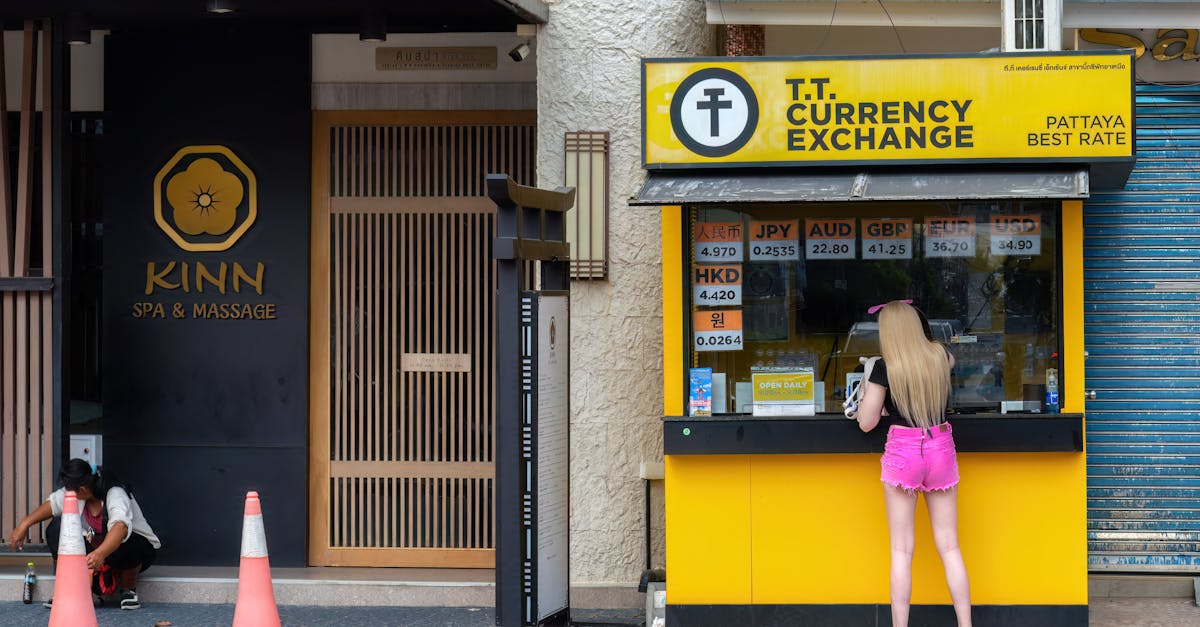
A caregiver in Riyadh sends $200 home to her family in Nueva Ecija. By the time it lands, part of it is gone, and the fight over how much is now sitting in the House.
Parañaque Rep. Brian Yamsuan is pushing HB 8615, the OFW Remittance Protection Act, which he filed. Coverage ran through the week of November 18, with a Senate companion measure already passed on third reading in March 2026, per BusinessMirror.
What the Bill Actually Does
BusinessMirror reported that HB 8615 would require the Department of Finance, the Bangko Sentral ng Pilipinas, and the Department of Migrant Workers to coordinate on protecting OFW remittances from unreasonable fees. The Inquirer reported that the agencies would set the minimum possible range of remittance fees and related charges after consulting stakeholders.
That is not a numeric cap. The three agencies set a range kept as low as possible, and covered providers could not raise current fees without prior notice to and approval from the BSP and DOF.
Yamsuan cited the World Bank's figures: a global average cost of 6.36 percent to send $200, and a bank-channel average of 14.99 percent, per Journal News. On a bank transfer, he put the deductions at roughly $30, or P1,800.
Breaking the rules could mean six months to six years in prison, or fines from P50,000 to P750,000, Abante reported, on top of existing banking laws.
Where the Money Leaks
Here is the problem for the caregiver. A posted fee is only one way a provider keeps part of her money. The other is the exchange-rate margin, the gap between the rate the firm gets and the rate it gives her.
Those World Bank figures already count both. Under the Remittance Prices Worldwide methodology, total cost is the transfer fee plus the foreign-exchange margin, so the 14.99 percent bank average and the 6.36 percent global average both fold in the spread. The margin is not hidden from the measurement. The question is whether it is covered by the law.
The House bill, as reported, speaks of fees and related charges. If the agencies squeeze only the counter fee, a provider can widen the margin until the arithmetic comes out the same. Protecting senders means pricing the rate, not just the line item she can read on the receipt.
The Senate Already Named the Rate
The Senate version shows this is reachable. SB 1917, sponsored by Sen. Joel Villanueva, passed on third and final reading on March 16, 2026, and requires remittance service providers to disclose all fees and foreign-exchange rates. The rate is written into the Senate text, not left to inference.
Scale is why the margin matters. DMW said personal remittances rose 3.3 percent in 2025 to about $40 billion, per SunStar, and forecasts 2.2 to 2.4 percent growth for 2026, with totals still topping last year. BSP data showed cash remittances up 2.6 percent year on year to $3.20 billion in September 2026.
Growth that slow pushes in one direction. When volume barely moves, providers protect margin on each transfer, and the spread is the quietest place to do it.
So the caregiver watches the final text with a plain test. If the House matches the Senate and names the rate, her bank has less room to move the loss. If it only chases the posted fee, the receipt looks cleaner, and her family counts the same pesos.