
A Fee Cap Can Reach the $30. It Can't Reach the Rate That Replaces It.
A new House bill wants to shield OFW remittances from unreasonable fees. The exchange rate it leaves untouched is where the cost can quietly migrate.

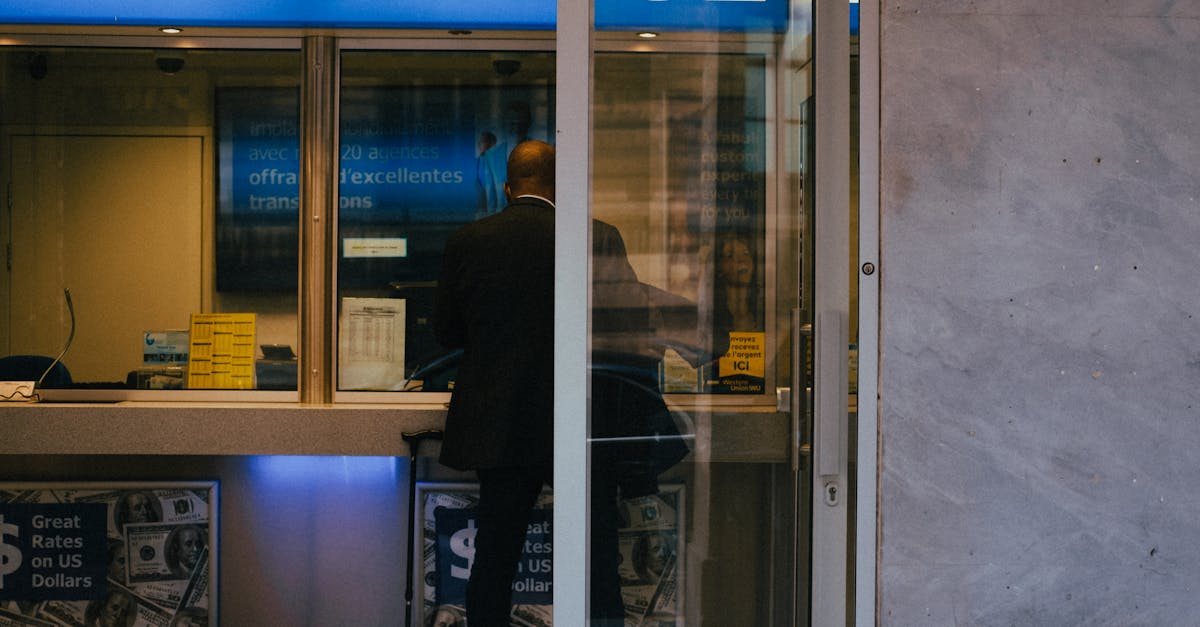
Picture a Gulf-based OFW sending $200 home on payday, and the family back home never sees the full amount hit the rice budget. By the time it clears, a slice is gone to the transfer fee, another to the gap between the rate that was quoted and the rate that actually applied, and sometimes a last bite at the cash-out counter.
House Bill 8615, the OFWs Remittance Protection Act, wants to shrink the first slice. Parañaque Rep. Brian Yamsuan urged Congress on November 18 to fast-track it, and the bill would require the DOF, BSP, and DMW to set remittance fees as low as possible for banks, non-bank providers, and other remittance firms. Under the bill, providers could not raise existing fees without prior notice and approval from the BSP and DOF, according to BusinessMirror.
What the money loses on the way home
Yamsuan cites the latest World Bank report that sending $200 costs about 6.36 percent on average, and that banks remain the most expensive channel at an average of 14.99 percent, according to Journal News Online. Abante, separately, describes bank fees as not lower than 14.99 percent. He also says bank transfers can run around $30, or roughly P1,800, depending on the sending country, according to Politiko.
Here is the part the headline fee never shows. The transfer charge is the line you can see, name, and legislate. The exchange rate is the one that moves on its own, and a provider that can no longer pad the visible fee has every reason to shave the peso amount it hands over instead.
The clause that chases the rate
The bill's drafters clearly saw this coming. Section 7 would bar skimming from foreign exchange remittances without the OFW's written consent, and bar paying out a lower peso amount than the rate at the time of sending, according to the Inquirer. Violators could face jail and fines of P50,000 to P750,000, Bombo Radyo reported.
That addresses the spread at the moment of sending. It is less clear whether the bill reaches cash-out charges down the line, or the slower erosion that happens when a provider quotes a rate a few centavos off the interbank benchmark and pockets the difference across millions of transactions. Cap one line, and the cost can migrate to the rate nobody sets by law.
The stakes are not abstract. The BSP reported record personal remittances of $39.62 billion in 2025, while the DMW put the figure at about $40 billion, up 3.3 percent, and projected 2026 growth of just 2.2 to 2.4 percent, according to the Daily Tribune. When the flow slows, every centavo lost in transit matters more to the household waiting on it.
The Senate approved its version on third and final reading in March, according to Journal News Online, and the House has not acted on HB 8615 on the floor as of late November. An earlier House bill offering a 50 percent fee discount cleared second reading in November 2024, and there is no public record of it being enacted. Until a final law exists, the OFW in the Gulf keeps sending $200 and keeps watching how little of it survives the trip to the counter back home.


