
The Meter Runs Backward for a Day. The Cap Zeroes the Credit by Noon.
Iloilo and Negros cooperatives can generate solar and wind at community scale, but a 100-kilowatt net-metering ceiling and interconnection queues built for big developers keep the power off the wire.

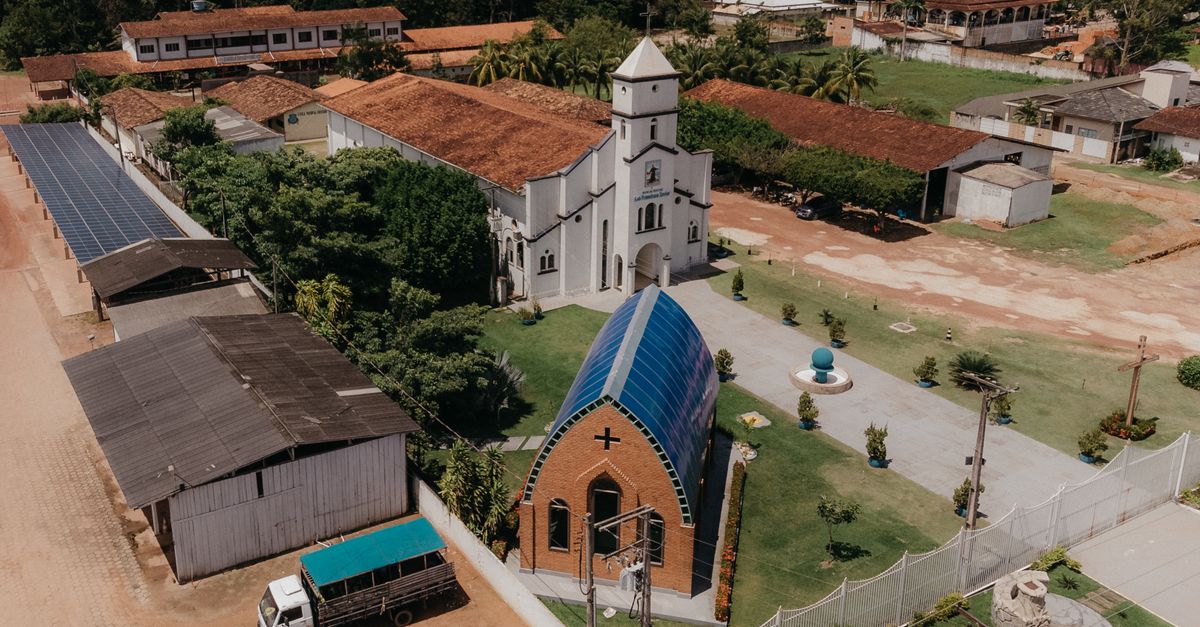
A community solar array in Iloilo can hit its rated output by mid-morning, and then it hits a wall the sun never put there. Net metering under the Renewable Energy Act of 2008 caps a customer's on-premises facility at 100 kilowatts, and the distribution utility's interconnection queue moves at the speed of paperwork, so the megawatts a cooperative can produce sit stranded behind a rule written for a smaller world.
Meanwhile the Department of Energy's Green Energy Auction awards capacity at a scale no barangay array will ever touch. Successive auction rounds have offered and awarded solar and wind by the gigawatt to large developers, and those headline totals carry the story of the transition. They do not count who can actually plug in.
Generate all you want. The wire says no.
Net metering was sold as the democratic on-ramp: put panels on a roof or a barangay hall, feed the surplus back, watch the meter spin down. The 100-kilowatt ceiling, the same figure the law uses to define a 'micro-scale project,' keeps it small on purpose, and community-scale projects in Negros and Iloilo keep bumping it the moment they scale past a single building.
Push past 100 kilowatts and you leave the net-metering lane entirely. Now you are negotiating a full interconnection agreement with the distribution utility, and the queue that governs it was never designed for a farmers' cooperative with a modest array and no legal team on retainer.
Consider two illustrative applicants: a large auction winner rated in the tens of megawatts, and a community project sized at a few hundred kilowatts. The interconnection study, the impact assessment, the upgrade cost allocation: each step favors the applicant who can absorb delay and front the engineering, which is the developer, not the sugar-town co-op trying to shave its own bill.
Who the queue was built for
Distribution utilities will tell you the caps and studies protect grid stability, and that is a real constraint, not a stalling tactic invented from nothing. A feeder line built decades ago cannot swallow unlimited backflow without upgrades, and someone has to pay for those upgrades.
The question is who waits and who gets waved through. When the same interconnection process treats a utility-scale auction winner and a few-hundred-kilowatt community project as if speed and capital are evenly distributed, the smaller applicant loses by default, and the auction's headline numbers absorb the loss without ever showing it.
Energy advocates have long pointed to this rooftop gap: the auctions keep clearing large-scale megawatts while the distributed, community-owned segment stays boxed in by the 100-kilowatt cap and an interconnection process it was never built to survive. That is the exact tier where a cooperative array in the Visayas would otherwise sit.
None of this reads as villainy in the record. Every permit is in order, every cap is legal, every queue follows procedure. A cooperative in Negros can own working panels, meet every technical spec, and still not put a single credited kilowatt-hour on the grid because the rule above net metering was never sized for it.
Renewable-energy groups have pushed for years to lift the net-metering ceiling and to write a separate interconnection track for community and cooperative projects, so a barangay array does not wait in the same line as a corporate wind farm. Until that fix reaches the statute, the meter runs backward for a few hours, the cap zeroes the credit, and the array that could power a town keeps generating for a wire that will not carry it.


