The Loan Builds the Tracks. The Relocation Line Sits in Her Inbox for Years.
On Philippine rail packages, foreign money covers construction while displaced families wait on right-of-way checks that take years to clear local agencies.

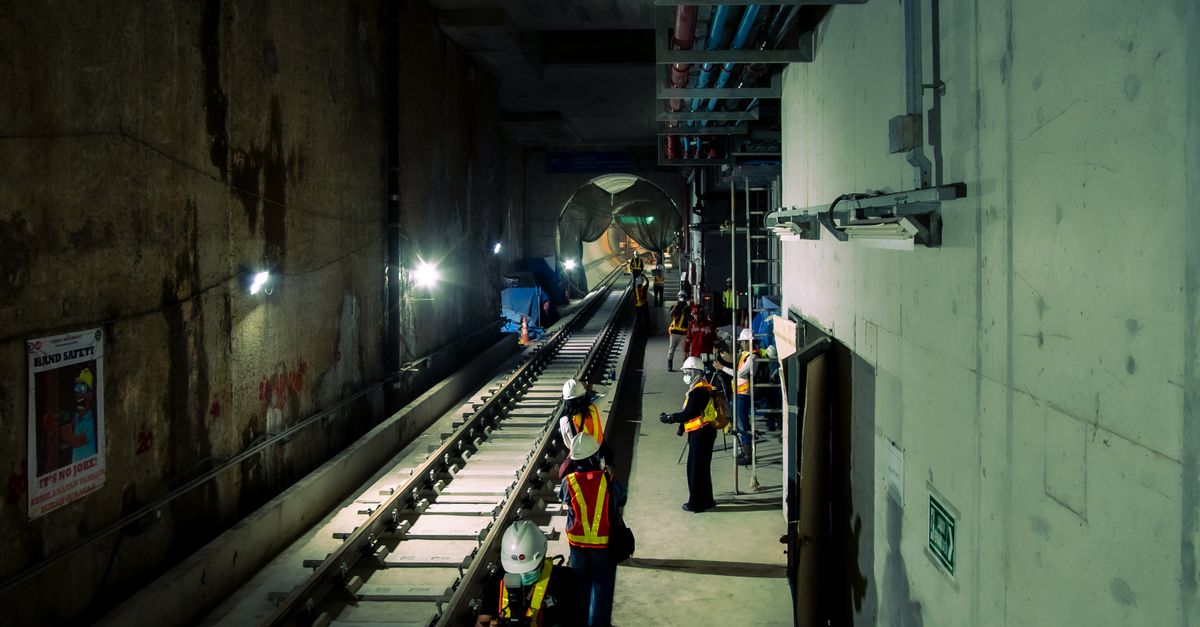
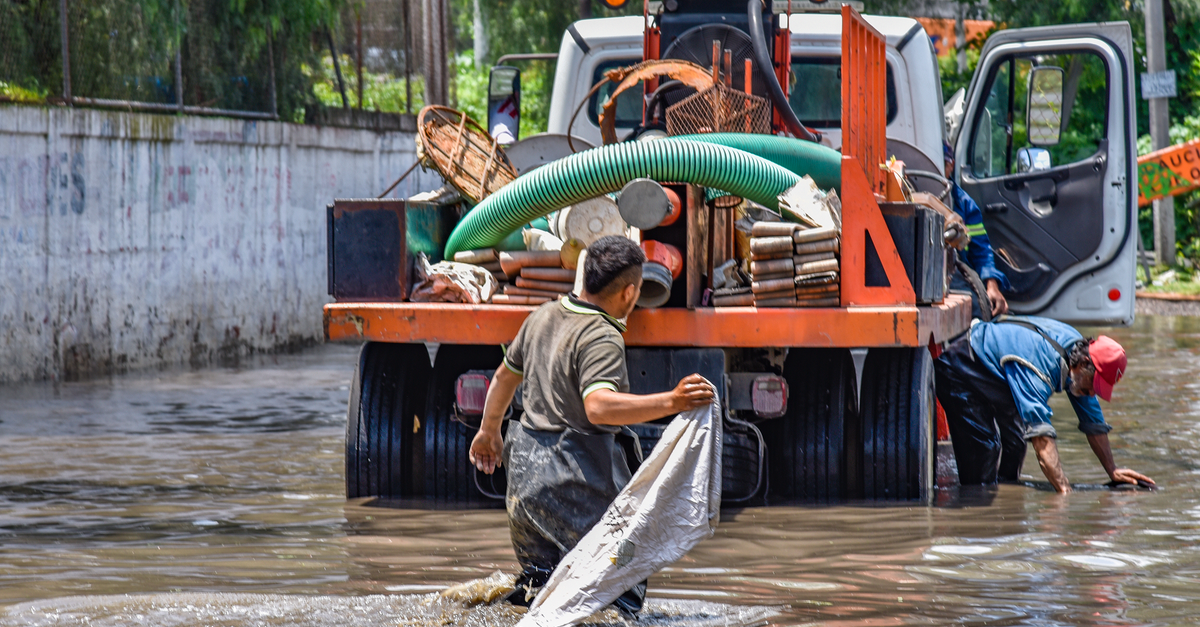
On paper, big rail in the Philippines runs on a clean split. The foreign loan pours the concrete, and the Philippine government handles the land, the road clearances, and the families living on the alignment. That second half is where the delay lives, and it lands on whoever processes the claims at the counter.
Picture a first-job LGU staffer assigned to relocation files. The construction package has a contractor, a schedule, and a bank behind it. Her side has a stack of folders, several agencies to coordinate with, and households asking when the payout clears. The folders move at the speed of the slowest signature in the chain.
The money half moves faster than the land half
Look at the North-South Commuter Railway. The Tribune reported in March that only four of 19 planned stations had cleared right-of-way acquisition, and that the project still has to relocate more than 4,500 families in the northern corridor and over 12,000 in the south. Relocation work spread across agencies and local governments, the Tribune noted, often takes years to coordinate.
The Chinese-financed rail story has been messier. The PNR South Long Haul contract with Chinese contractors was sealed in January 2022 at ₱142 billion, with the loan meant to cover construction while the Philippine side handled right-of-way and informal settler relocation. The loan talks then stalled for years. An AidData record lists a roughly $220 million China Eximbank credit for the project's management consultancy as cancelled.
The Mindanao Railway went further. Manila Bulletin reported in September that the Department of Transportation is still hunting for a foreign financier nearly three years after dropping China, after the two sides failed to agree on terms. The line drew no 2027 allocation, and the ₱5.46-billion proposal cut from the budget was largely for right-of-way acquisition.
A permit clears the alignment. A household clears out.
Here is the part that gets lost when the headline is geopolitics. Before any contractor pours anything, local permit-issuers and LGU offices sign off on the route. That approval decides whose house sits inside the line. The person who draws the alignment and the person who releases the relocation money are rarely the same office, and the gap between them is measured in years.
The Chinese lender and contractor are not bystanders here. When the financing covers construction and leaves relocation entirely to the Philippine side, the terms bake in exactly this lag, and the raw deal travels with the money. But the signature that put a family on the wrong side of the route is domestic, issued by a local government that answers to residents it then struggles to pay on time.
So the test for any loan-funded rail package is simple and unglamorous. Count the stations that cleared right-of-way against the ones with a ribbon date. Count the families still waiting on a check against the kilometers of track already poured. When the concrete is finished and the folders in her inbox are not, the bargain that split the project in two has already decided who absorbs the delay.