Commissioning Day Arrives for a Loan-Funded Rail. The Relocation Checks Don't.
When a foreign-financed rail line reaches commissioning while displaced families wait on right-of-way money, the newest LGU staff absorb anger meant for people who signed the deal.


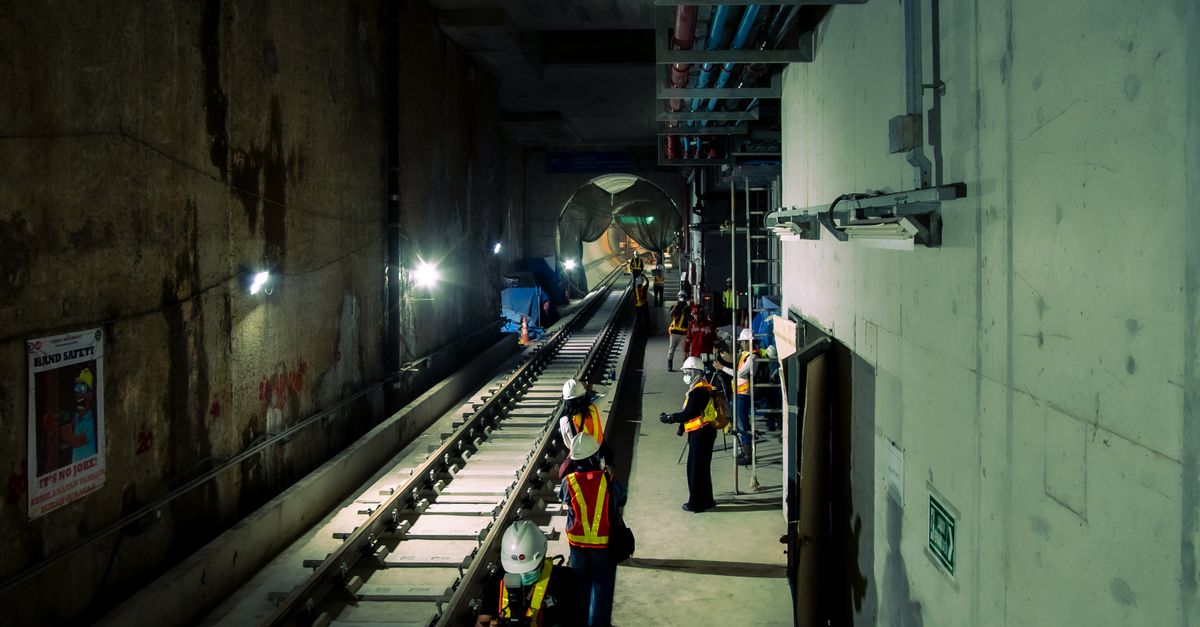
Picture a rail segment in Luzon, bankrolled by foreign lending, moving into commissioning. The milestone makes the news. The families whose lots sat in the alignment are still holding claim stubs that haven't converted to cash.
This is the part of a loan-funded project nobody puts on the ribbon-cutting stage. The financing closes, the construction advances, and the slow machinery of paying people for their land lags behind every other milestone. Right-of-way settlement in the Philippines runs on the implementing agency, not the foreign bank. But the money and the pace that drove the schedule arrived together, and the arrangement rewarded finishing the track over finishing the payouts.
It's worth remembering how cautious Manila already is here. In 2023 the government withdrew its requests for Chinese official development assistance on the PNR South Long Haul in Bicol, the Subic-Clark Railway, and the Mindanao Railway, and the DOTr went looking for other lenders. The financing source changes. The compensation lag is a constant.
Who stands at the counter
Go to the municipal office where displaced residents follow up on their claims, and you won't find the people who approved the deal. You'll find young staff on their first government job, holding a service record thinner than the folder of complaints in front of them. They explain the appraisal backlog, the documentary requirements, the transfer stuck between agencies. They absorb the shouting meant for officials who set the alignment and the sequence.
That arrangement is convenient for everyone above them. The decisions that stranded these families, the route, the valuation, the choice to put construction first, were made at pay grades that never work the counter. When the anger has nowhere to go, it lands on the youngest person in the room, the one most easily told to just do their job.
The receipts that never clear
The law is clear about the order. Republic Act No. 10752, the Right-of-Way Act of 2016, requires the implementing agency to pay or deposit compensation based on the property's value before the government takes possession. Families are entitled to payment before they're moved.
The practice often reverses that. Displacement advocates have documented the pattern across Philippine infrastructure for years: families accept relocation on the promise of prompt compensation, then discover that appraisal, title verification, and inter-agency transfer can stretch well past a year while the project itself races ahead.
A permit and a loan agreement confirm a project is legal. Neither confirms the people cleared off the route were made whole. A commissioning milestone proves the track works. It proves nothing about the settlement sheet.
The foreign lender's role here isn't dramatic. It's structural: a financing model that moves on the lender's clock while the compensation moves on Manila's, and a repayment schedule that gets honored on time more reliably than the people displaced by the route do. Filipino officials chose those terms and chose to front-load the build. Both sides made the counter staff the shock absorber.
When passengers finally ride a line like this, the story will be the travel time saved. The families still chasing their right-of-way checks won't be in the frame, and the young staff who fielded their calls will have moved on. The track gets commissioned. Ask who else did.