The Cooperative Owns the Fleet. The Man Who Drove the Route for 30 Years Owns a Share Certificate.
Manila's modernization program forces small jeepney operators into cooperatives that price them out of the routes they built, and calls it climate policy.

The consolidation deadline was supposed to be about clean air. What it delivered to a lot of small operators was a choice between joining a cooperative on someone else's terms or losing their franchise altogether.
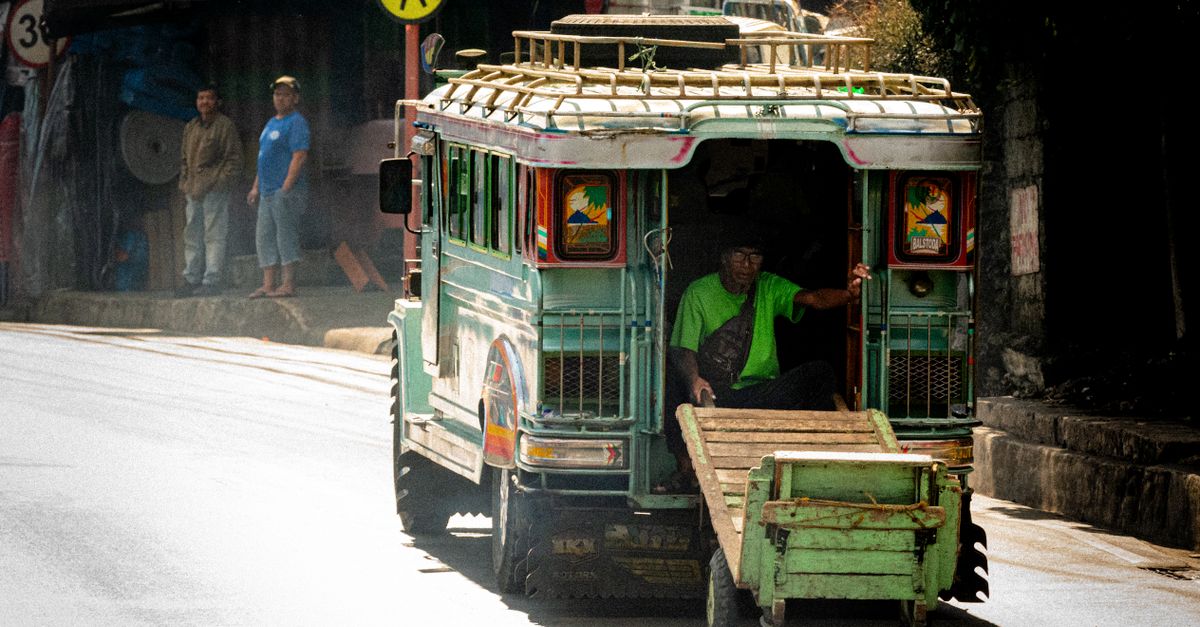
The math is where the climate story falls apart. A modern minibus runs into the millions of pesos, well past what a driver who owns one or two traditional units can front, so the government's answer was to herd them into cooperatives that pool the debt. On paper, that democratizes the fleet. In practice, the operator who spent decades running a route ends up holding a share certificate while the cooperative board decides who drives, when, and on what terms.
Who signs for the loan
Consolidation means the individual franchise dies and a corporate or cooperative entity holds the route. The loans that buy the new units get signed by the cooperative, and the operators inside it carry that weight whether or not they ever wanted a fleet-scale debt. Transport groups have warned for years that this quietly converts owner-drivers into members with a vote and very little else.
Once the cooperative owns the units, the driver who used to keep the day's earnings now takes a boundary or a salary the board sets. Miss a quota, and the seat goes to someone the co-op prefers. The route he knew by heart is now an asset on someone's balance sheet, and his name is one line in a membership roll.
Where the clean-air math goes quiet
None of this makes the old jeepneys clean. Diesel units foul the air in Manila's worst corridors, and nobody riding through EDSA smog is nostalgic for that. The problem is that the program treats the fleet upgrade and the ownership transfer as one package, so the environmental goal keeps arriving bundled with a financing structure that strips small operators of the thing they actually own.
A cleaner engine and a dispossessed driver are two separate outcomes, and the modernization framework keeps pretending they have to travel together. Countries across the region are electrifying transit without demanding that every jitney owner surrender his franchise first, which tells you the debt-and-consolidation model is a policy choice, not a law of physics.
The bargain nobody signed
The Marcos administration inherited this program and has kept pushing deadlines that squeeze the least-capitalized operators hardest. Each extension buys a few more months, and each expiration threatens to pull franchises from drivers who never had the collateral to make the numbers work.
The receipt is simple. The operator financed nothing, joined a cooperative he couldn't afford to refuse, and now waits for a board to schedule his shifts on a route he used to own outright. Call it modernization if you want. From the driver's seat, it reads as an eviction with a green paint job.