The Brochure Says 'Community.' The Lease Says a Bunk and a Cleaning Roster.
Manila co-living operators sell bedspaces as belonging and charge BGC rent for a shared kitchen shift. Read the contract before you buy the vibe.


A bedspace used to be honest about what it was. A bunk, a locker, a fan if you were lucky, and a rate that matched the ceiling height. Then someone put the word "community" on a Facebook ad and the price doubled.
Walk into a co-living tour near BGC or Ortigas and the pitch runs the same. Curated events, a plant wall, a shared kitchen with matching mugs, a Discord for residents. The photos load fast. The floor plan does not.
What the deck skips
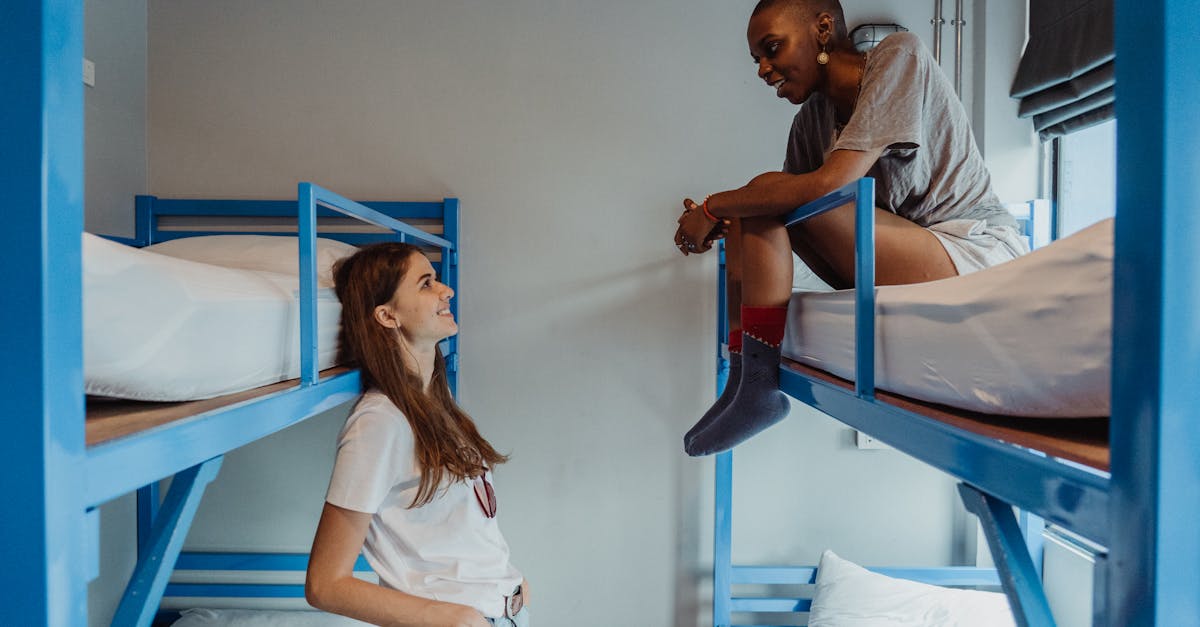
The unit you saw in the render sleeps two in the listing and four in the lease. The "private pod" is a plywood partition that stops short of the ceiling so the aircon can circulate to everyone. You are paying for square footage measured in the common area, then billed as if it were yours.
Operators know the math. A single studio in the same building might rent for a set monthly figure. Slice it into four beds, call each one a membership, and the total collected clears the studio by a wide margin. The premium is the branding, not the space.
Community is a chore wheel
Here is the part the ad leaves out. The "community" you signed up for often comes with duties. A kitchen cleaning roster. A quiet-hours agreement. A house group chat that pings you to sweep the common area or greet the new intake. Free labor, framed as belonging.
You are a tenant who also does unpaid facilities work, on a contract that calls you a member so it can skip the protections a tenant would get. Membership agreements are not the same as lease contracts. When the operator wants you out, "member in good standing" is easier to revoke than a lease is to break.
Why the pitch lands
It lands because the alternatives are worse. A studio near your office wants two months deposit, one month advance, and a lease you sign alone. A boarding house in the same radius books through a barangay that files it as something else entirely. The co-living pod promises no long lock-in, a furnished bed, and people your age who also fled a two-hour commute.
That last part is real. The isolation of renting a partition in a stranger's house is a genuine cost, and a shared kitchen where someone remembers your name is worth something. The operators priced that longing correctly. They are charging you for the friends you were going to make for free.
Read before you feel
Before the plant wall closes the deal, ask the questions the tour avoids. How many beds share this bathroom. Is this a lease or a membership. What is the notice period when they want the bed back. What happens to your deposit when the "community" you were sold turns out to be a cleaning schedule and a group chat that only pings you when it needs a favor.
You are allowed to want a room and people to share it with. You are not obligated to pay BGC rent for a bunk, a shared shift at the sink, and a contract that calls you a member so it never has to call you a tenant.