
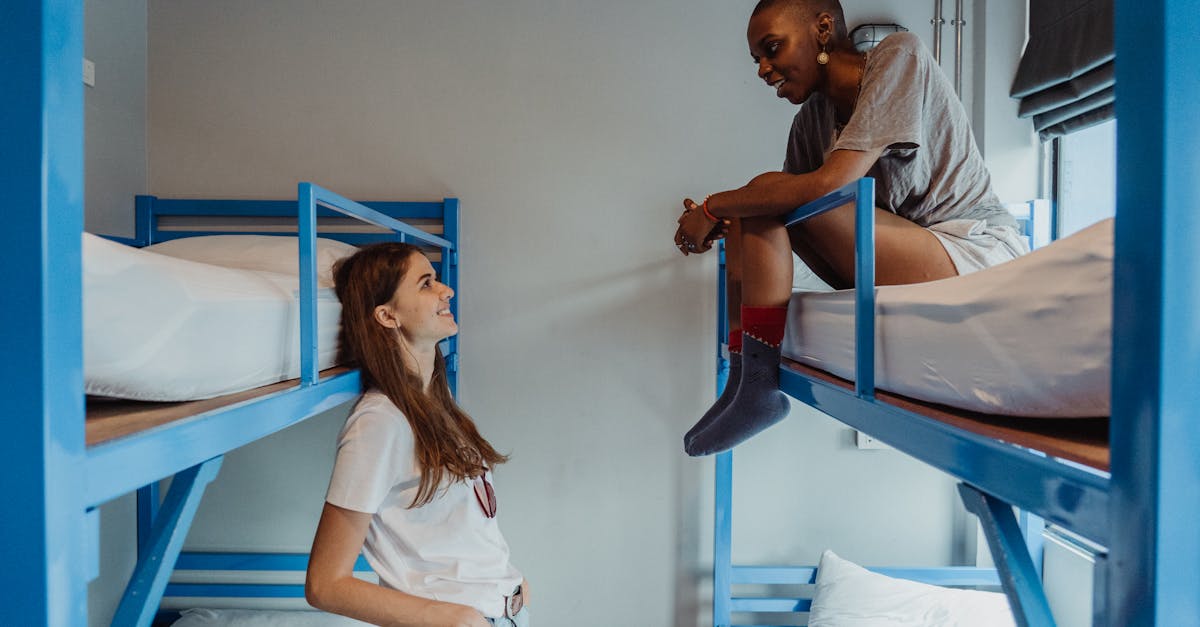
A Pod the Size of a Single Bed, Priced Like the Studio Next Door
Metro Manila co-living operators advertise affordable beds, then stack water, aircon, and 'community fees' on top. There's no lease to argue any of it.

You tour the place, you like the price on the poster, and you move into a pod the size of a single bed. Then the first month closes and the number on your GCash transfer looks nothing like the number that got you in the door.
Co-living across Metro Manila runs on this gap. The headline rate covers the bed. Water, aircon tokens, and a line called the community fee ride on top, and together they push the real monthly cost past a plain studio in the same area.
The lease that isn't a lease
What you sign, if you sign anything, is a house rulebook. House rules bind your behavior. They don't bind the operator's billing. There's no fixed term, no itemized rent, no clause capping the add-ons you can point to when the aircon charge doubles in April.
That's the design. A real tenancy contract would let you contest a surprise charge, give notice on your own terms, and hold the operator to a number. A membership agreement for a bed does none of that. You're a guest with a key card, and guests don't get to dispute the folio.
The community fee is the cleanest trick. Nobody can tell you what it buys. Sometimes it's the cleaner who comes twice a week, sometimes it's the vending machine and the wifi, sometimes it's nothing you can name. It just appears, and it climbs.
Metered by the token, billed by the operator
Aircon is where the math gets ugly. Many pods run on a token or prepaid system the operator controls end to end. You buy hours, you don't see the Meralco bill, and you have no way to check whether the markup on each hour is fair. In a Manila April, you're paying to not suffocate, and the operator sets the price of air.
Water works the same way. A shared bathroom metered as a flat monthly add-on, split among however many beds the operator decides to cram in, with no sub-meter you can read.
Stack the bed, the tokens, the water, and the mystery fee, and by some renters' accounts the total creeps up to what a plain studio costs in the same barangay, sometimes more. That studio comes with your own bathroom and a contract you can enforce.
Why the pod wins anyway
The pod still fills up, because it asks for one month's deposit instead of the two months plus advance a studio landlord wants, and because a 23-year-old on probationary pay can't front tens of thousands of pesos upfront to a landlord who also wants a co-maker. The operator knows this. The lower barrier to entry is the whole product, and the fuzzy billing is what makes the model pencil out.
So you pay studio money for a bed, and you pay it without a lease to point at when the charges move. The one document that would let you fight back is the one document they never hand you. Until a co-living bed comes with an itemized, enforceable contract, the add-ons stay exactly where the operator wants them: open-ended, and yours to cover.


