
The Auction Hands You a Price. The Grid Queue Books You for the Late 2020s.
Developers won capacity in earlier auction rounds and still can't break ground. The connection line runs years behind, and consumers cover the charges while the power sits stranded.

Auction winners hold contracts for solar, wind, and geothermal capacity they cannot build, because the wire that would carry their electricity to the grid does not exist yet and won't for years. The Department of Energy has run successive rounds of its Green Energy Auction Program, awarding large blocks of renewable capacity with commercial operation dates that developers are then expected to meet. The megawatts are real on the contract and imaginary on the map.
Three of the marquee projects are stuck for different reasons that add up to the same delay. Batangas offshore wind drew serious foreign developers but has no transmission spur to land the power into the Luzon backbone. Palawan's hybrid auctions for off-grid islands struggle to draw bidders willing to bet on a subsidy formula and a coal moratorium that keeps lapsing. Negros geothermal watched local governments and developers argue over which tax the host communities can collect before a single new well gets drilled.
The queue is the bottleneck
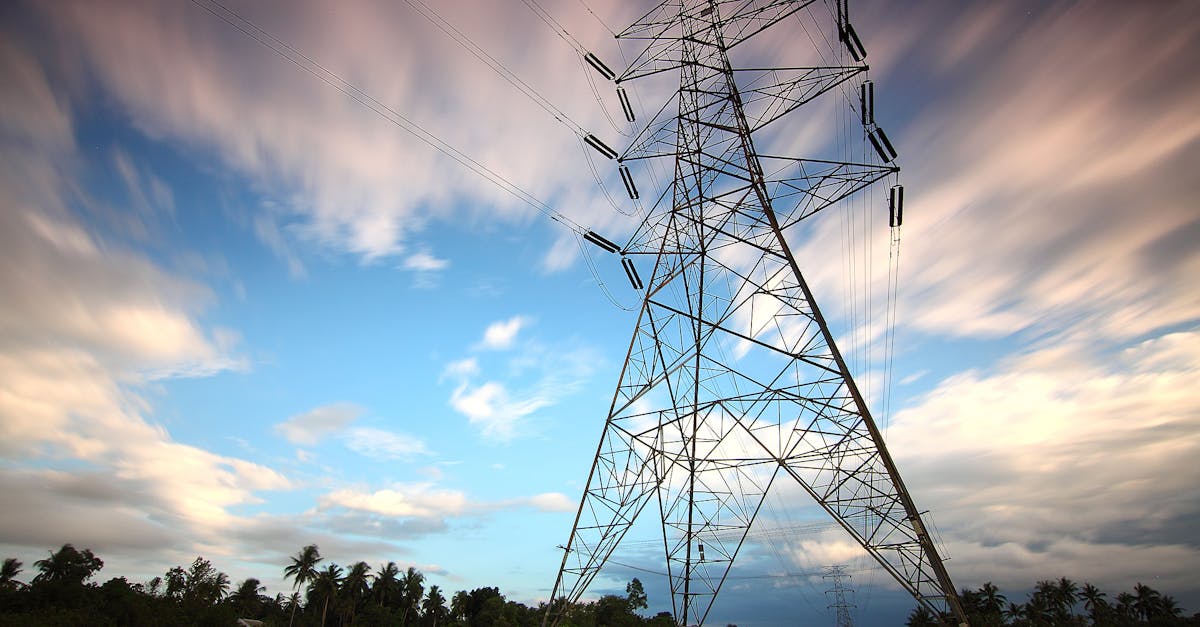
The National Grid Corporation of the Philippines runs the connection queue, and its build-out of new lines has lagged behind schedule for years, a gap regulators and industry groups have repeatedly raised. A developer can win an auction, sign an offtake, and secure financing, only to learn that the substation and the transmission line that would evacuate its output are scheduled for a later date. The auction rewards you a price. It does not hand you a wire.
That mismatch is the story that gets buried under the ribbon-cutting language. The DOE sets a target for renewable capacity, awards it through the auction, and reports the gigawatts as progress. The transmission plan that would actually connect those gigawatts moves on a separate, slower track that no auction round can accelerate, which is why a commercial operation date on paper can slip well past it in practice.
Who pays while the power sits idle
Look at your electric bill and you will find the missionary charge and the universal charge, line items that fund off-grid electrification and stranded costs across the system. Those charges keep flowing whether or not the awarded renewable capacity ever generates a kilowatt-hour. Consumers subsidize the diesel gensets running on the islands the Palawan auctions were supposed to replace, and they cover the system costs while stranded capacity earns nothing.
The people who lose most directly are the island communities the missionary charge is meant to serve. They pay Manila-grid prices for diesel power, watch auction after auction fail to land a cleaner replacement, and read the same charges on their bills that the mainland pays. The local government offices processing electric cooperative paperwork on those islands see both ends of it: the subsidy going out and the promised solar-diesel hybrid that never arrives.
A won auction is not a built plant, and a commercial operation date is not a finished wire. Until NGCP clears the connection backlog and the tax fights in Negros settle, the contracts will keep piling up while the charges on your bill keep clearing. The gigawatts on the DOE's tally are stranded, and the bargain on the bill remains one-way: the money moves, the power does not.


