The ₱15 Rice Cup Became ₱20 and Cebu Students Started Skipping Lunch
Imported rice tariffs pushed carinderia prices up by a five-peso coin. For students living on ₱50 a meal, that coin is a whole lunch gone.

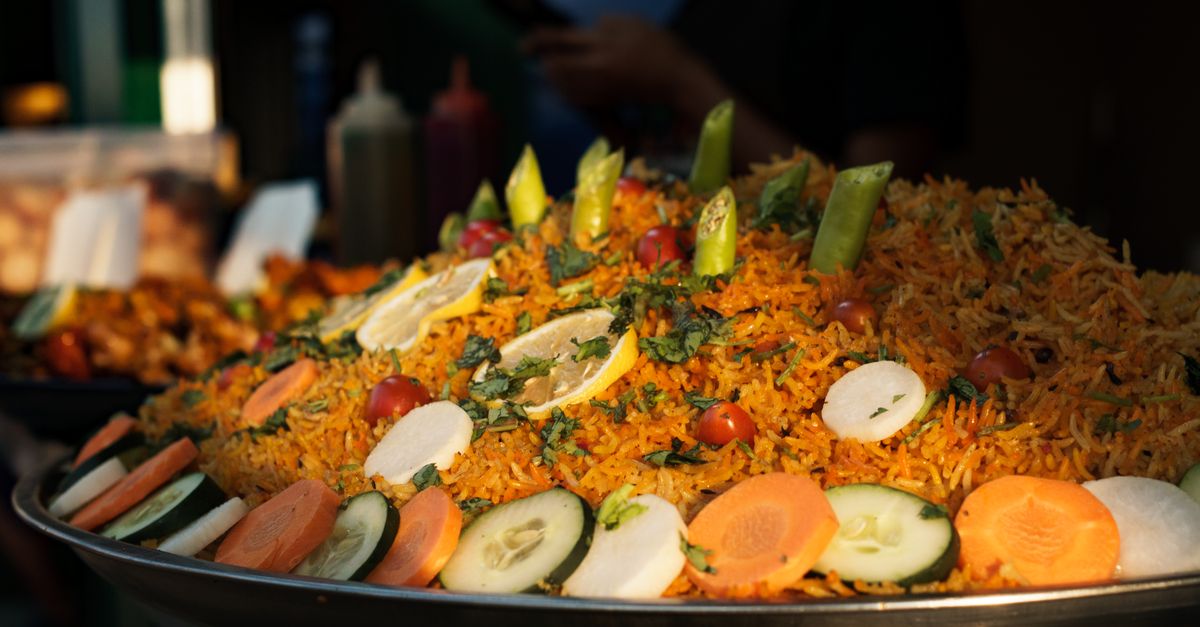
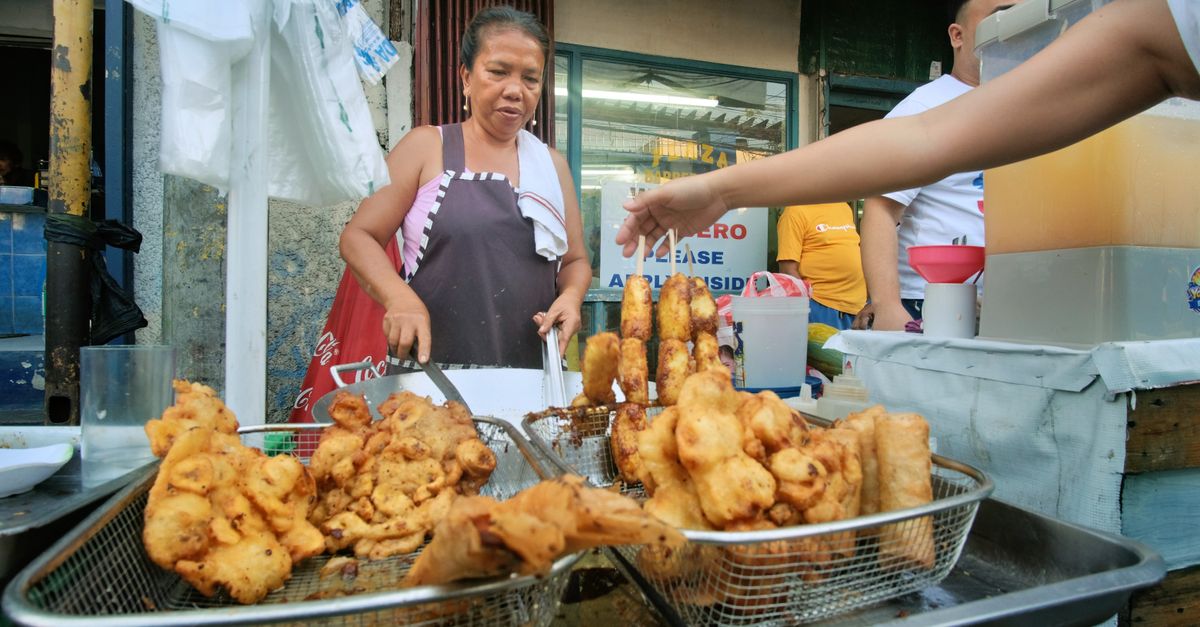
A rice cup in a Cebu or Iloilo carinderia used to cost ₱15. Sometime this year it became ₱20. Nobody put up a sign. The tita behind the counter just started charging the new price, and the students who ate there stopped coming for lunch.
Five pesos sounds like nothing until you do the arithmetic that a college student in Lahug or Jaro does every single day. A ₱50 budget bought rice, one ulam, and maybe soup. Now the rice alone eats a fifth of that. The math no longer closes, so lunch is the line item that disappears.
Where the five pesos came from
The tariff on imported rice moved, and the cost walked straight down the supply chain to the smallest seller at the bottom. Carinderia owners buy in sacks, not containers. They have no forward contracts, no hedging, no buffer. When the wholesaler quotes higher, the price on the styro plate moves within the week.
These owners are not gouging. Most of them ran the numbers the same way their customers do and found they were losing money on every ₱15 cup. Raising it to ₱20 kept the stall open. It also cleared out the students who made the stall worth keeping open.
The quiet part
Nobody announces skipping lunch. You just say you already ate, or you're not hungry, or you'll grab something later. Later becomes a sari-sari store cracker and a sachet of instant coffee. The dizziness in a 2 PM class gets blamed on the heat.
Food advocacy groups have flagged for years that rice price shocks land hardest on the people with the least room to absorb them. A student on a ₱250 weekly food allowance from home has no room at all. Every peso added to the rice cup is subtracted from the number of times they eat.
The bargain that broke
The carinderia was the last affordable protein-and-carbs stop for a whole generation of provincial students. It was cheaper than the mall, faster than cooking in a boarding house with one shared burner, and it fed you enough to think. That deal held for years on a ₱15 rice cup and a ₱50 total.
The deal is gone now. Not because anyone chose to end it, but because a tariff line moved in an office nobody in Jaro will ever visit, and the cheapest cooked meal in the barangay went up by one coin.
The fix is not complicated to name. Cash support that reaches students, not sacks that reach LGUs. A rice price that a carinderia can pass along without pricing out the exact people it feeds. Until then, the ₱20 cup sits on the counter, and the 2 PM class watches half its seats show up hungry.