
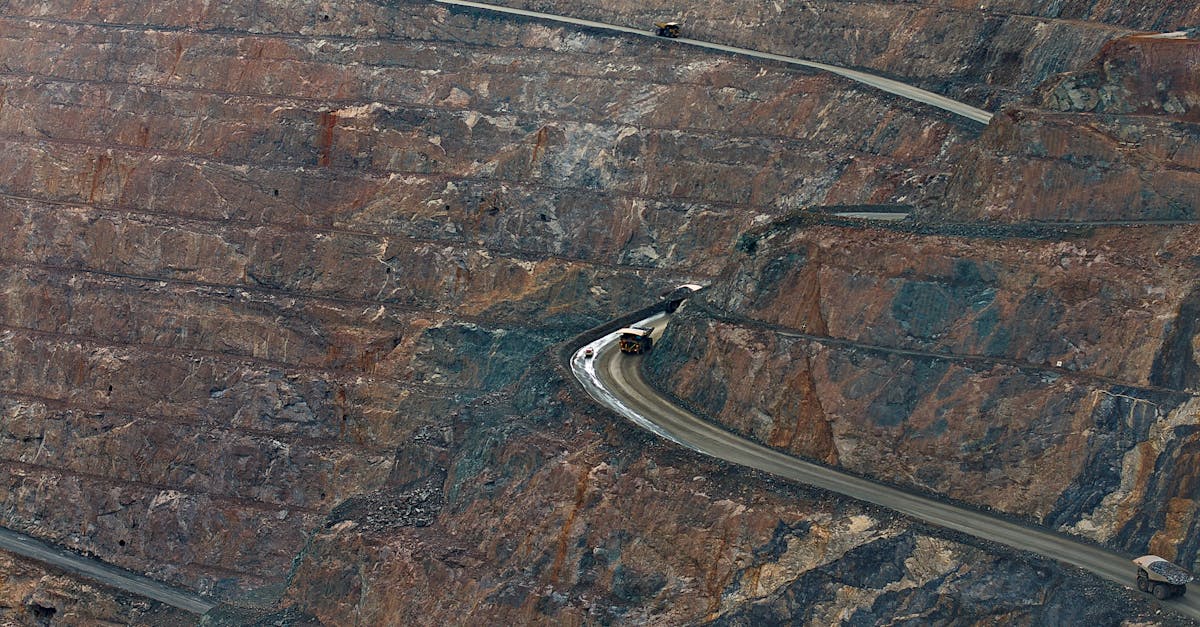
Slurry Hit the Seagrass in Dinagat. The Off-Taker Booked July Anyway.
Haul roads collapsed in the June rains and the runoff reached the beds that feed Manobo and fisherfolk households, while the MGB inspection sits as a draft and a Chinese smelter holds the next shipment slot.

Dinagat's haul roads gave out in the June rains, and the slurry that washed off them did not stop at the cut: it ran down the slopes, into the creeks, and out into the seagrass beds that Manobo households and small-boat fisherfolk depend on for siganid, sea urchin, and the daily catch that keeps a meal on the table. The Mines and Geosciences Bureau inspection report on the affected tenements is still marked draft, according to civil society monitors tracking the agency's site visits, yet the Chinese off-taker has reportedly booked the July shipment out of the Surigao corridor. That sequence, damage first, paperwork later, shipment already on the calendar, is the whole story.
The road is the tell
Haul-road failure in a wet June is not an act of God when the cut was rushed through a monsoon window the operator knew was coming. Industry guidance and the country's own mining rules require sediment controls, settling ponds, and slope stabilization sized for the rainfall the province actually gets, and Dinagat gets a lot. When the roads collapse and the runoff reaches the reef flats, that is a design choice catching up with the weather, not a surprise.
Local fisherfolk groups have flagged sedimentation on Dinagat's eastern coast for years, and the pattern repeats: a wet month, a road failure, a plume, and a draft report that never quite hardens into a finding before the next shipment leaves. Seagrass beds do not bounce back on a quarterly cycle. They bury, they die, and the catch thins for the households that cannot move.
Draft reports, firm contracts
An MGB report kept in draft is not a neutral pause. It lets the tenement holder keep operating, lets the Bureau of Customs clear the ore, and lets the off-take contract run on schedule, because nothing on paper has formally said stop. By the time a final report lands, if it lands, the July vessel is in Lianyungang or Fangchenggang and the nickel is on its way to a smelter feeding the EV and stainless supply chain.
The Chinese buyer is not a bystander here. The off-take contract sets the tempo the Philippine operator runs at, the financing behind it rewards the operator who hits the loading window, and the corner-cutting that hits Dinagat's coast is the cost of staying on that schedule. Filipino permit-issuers, LGU officials who sign the trucking clearances, and the local hauler who keeps moving ore in the rain are the ones who make the schedule possible. Naming only one of them lets the others off.
What a serious response looks like
A cease-and-desist that holds through the shipment window. A final MGB report with the sediment readings, the road-failure photos, and the tenement boundaries on one map. A hold on the export clearance until the rehabilitation bond is drawn down for actual cleanup, not deferred to the next audit cycle. FPIC processes that the Manobo can actually use, with documents in a language the community reads.
None of that is radical. It is what the existing mining law, the Indigenous Peoples Rights Act, and the DENR's own rules already require. The July shipment will test whether any of it binds when a foreign buyer has already wired the down payment and a haul road is still under water.


